Beyond the Glow: Why K-Beauty’s Secret Isn’t in the Bottle
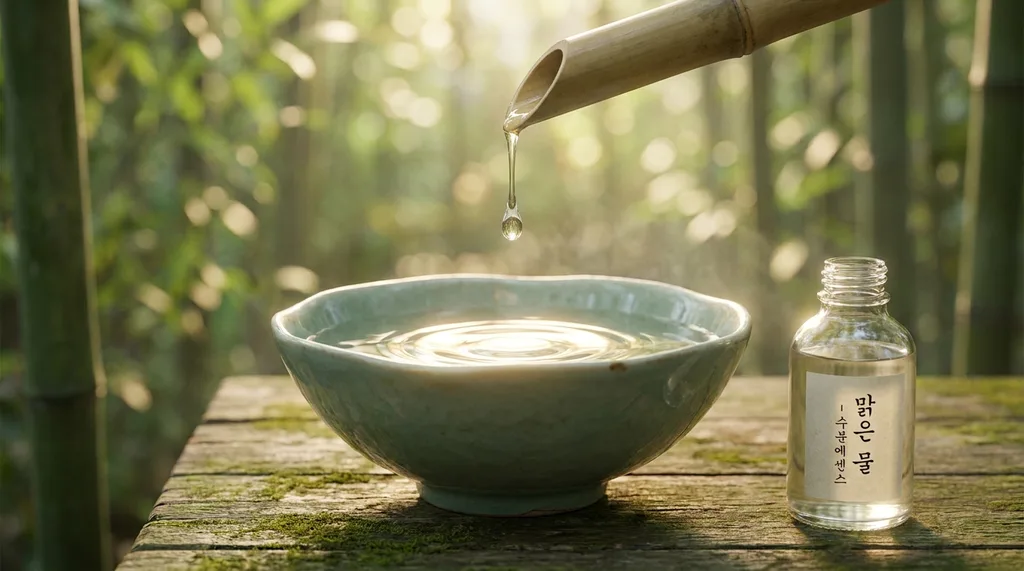
Walk into any Olive Young in Seoul at 11 PM, and you will see it: the frantic, quiet focus of a culture that views skincare not as a vanity project, but as a discipline. You might expect to see shoppers reaching for the trendiest, most viral packaging. Instead, you see them hovering over clinical-looking bottles with labels that prioritize ingredient percentages over aesthetic allure.
For years, the global narrative has framed K-Beauty as a magical, overnight revolution—a world of ten-step routines and "glass skin" miracles. But if you talk to the chemists in Gangnam or the researchers at the Ministry of Food and Drug Safety, they will tell you a different story. The "magic" isn't a secret formula found in a hidden garden; it is a rigid, government-mandated regulatory framework that transformed skincare from a beauty industry into a branch of applied science.
Key Takeaways * Regulation as Quality: K-Beauty’s global dominance is rooted in the "Functional Cosmetics" system, which forces brands to prove efficacy through clinical trials before reaching shelves. * The Literacy Gap: The true engine of the industry is a consumer base that treats skincare like a degree program, using platforms like Hwahae to scrutinize formulations. * The Reality Check: Viral trends often mask the fact that the most effective products are those built on "Gosi-wonryo" (notified ingredients) that bypass fluff in favor of proven biological performance.
The Regulatory Cage That Built a Global Giant
The primary misconception about Korean skincare is that it is a "natural" movement. It is not. It is a hyper-regulated, engineering-first environment. In many global markets, brands can claim a product is "anti-aging" based on vague consumer surveys. In South Korea, if a brand wants to use the term "Functional Cosmetic" (Gineungseong-hwajangpum), they must navigate a pre-market evaluation process that can take up to six months and cost thousands of dollars per claim.
This is the crack in the glass skin myth. The luminous, poreless aesthetic that dominates our feeds is not just the result of a lucky genetic lottery or a proprietary serum. It is the output of a system where ingredients like adenosine or niacinamide must be present at clinically proven concentrations to earn their label. When a brand skips this, they aren't just cutting corners; they are operating outside the very ecosystem that gave K-Beauty its credibility.
[K-Beauty 101] 기능성화장품 (Gineungseong-hwajangpum) — Functional Cosmetics. This is the legal backbone of the industry. These products are classified by the government as having specific, verifiable benefits like wrinkle improvement or brightening, requiring clinical data that exceeds standard cosmetic requirements.
🎵 K-Mono Lofi — Seoul Study Beats
Read deeper with Seoul lo-fi in the background — curated by K-Mono Lofi
The Cult of Ingredient Literacy
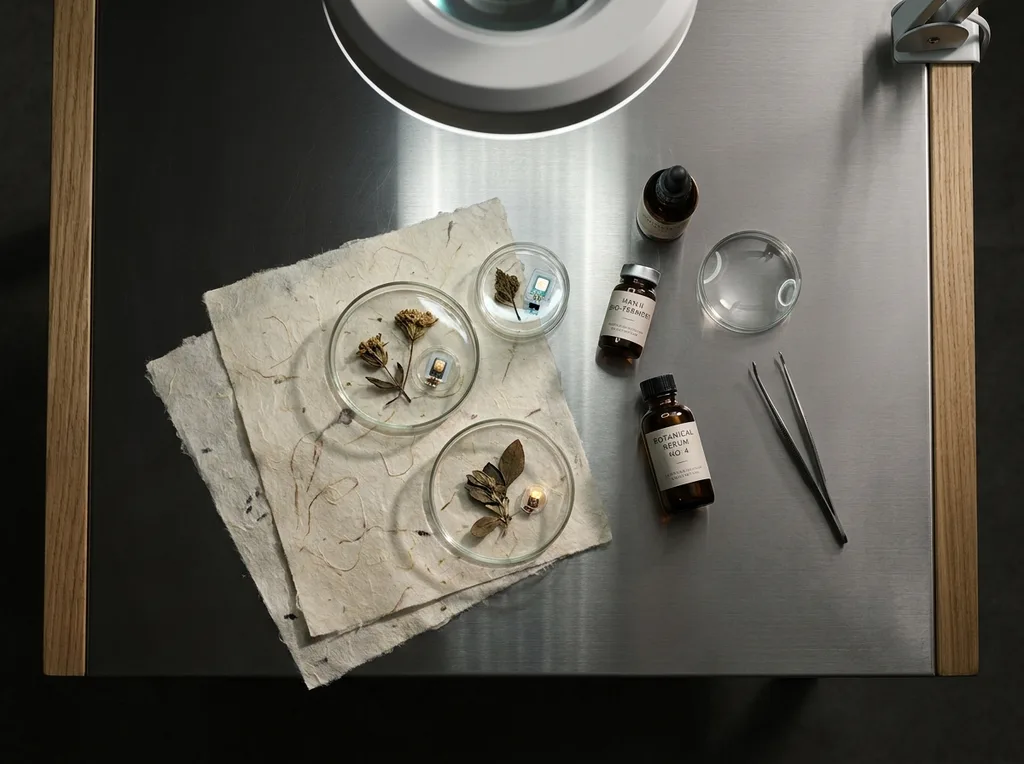
Why do Korean consumers seem to know more about the chemistry of their moisturizers than the average global marketing director? The answer lies in the shift toward "Ingredient Literacy." Platforms like Hwahae have turned the average shopper into a Ko-deok (beauty obsessive).
When a user pulls up an ingredient list, they aren't looking for "clean" buzzwords. They are looking for the Gosi-wonryo—ingredients that are pre-notified and approved by the government for their safety and efficacy. This creates a feedback loop: brands that rely on flashy marketing without backing it up with hard, clinical, or notified ingredients are quickly dismantled in the comment sections. It is a form of digital Darwinism that forces companies to compete on science rather than just story.
The Paradox of the Layered Routine
The infamous multi-step routine is often misunderstood as a "more is more" philosophy. In reality, it is a response to Sok-geonjo (inner-skin dryness). Locals know that a thick cream sitting on top of the skin doesn't fix a compromised barrier; it just makes it greasy.
This is where the Heup-to (absorption toner) method enters the picture. By applying multiple thin, water-based layers, the skin is slowly saturated, allowing the ingredients to actually penetrate the stratum corneum rather than evaporating into the air. It is a slow, methodical process—the physical embodiment of the "discipline" that defines the Korean beauty approach.
The Hidden Cost of the Viral Cycle
Of course, the industry has a dark side. The pressure to maintain a poreless appearance has birthed a massive "over-care" problem. Many consumers, chasing an unrealistic aesthetic, end up damaging their skin barriers by layering too many active ingredients—retinoids mixed with high-percentage Vitamin C and chemical exfoliants.
If you are currently experiencing redness, stinging, or persistent breakouts despite a "perfect" 10-step routine, you might be a victim of your own process. The most honest advice from Seoul’s dermatology clinics is often the simplest: strip it back. A healthy barrier is always more beautiful than a perfect one. If your skin is screaming, stop the layering. Start the recovery.
This article may contain affiliate links — if you buy through them, we may earn a small commission at no extra cost to you.
⚠️ Disclaimer: The information provided here is for educational purposes and is based on industry research and regulatory standards. Skincare efficacy varies by individual. Always perform a patch test when trying new formulations, and consult with a board-certified dermatologist before introducing high-potency actives or if you are managing specific skin conditions.
✓ Researched and compiled using verified data as of the publication date.
 Written by Jun Mi Jung for Quiet Korea | Contact: rsl.2001.1975@gmail.com
Comments
Post a Comment