Beyond the Glow: Unmasking the Truth Behind K-Beauty’s Functional Revolution
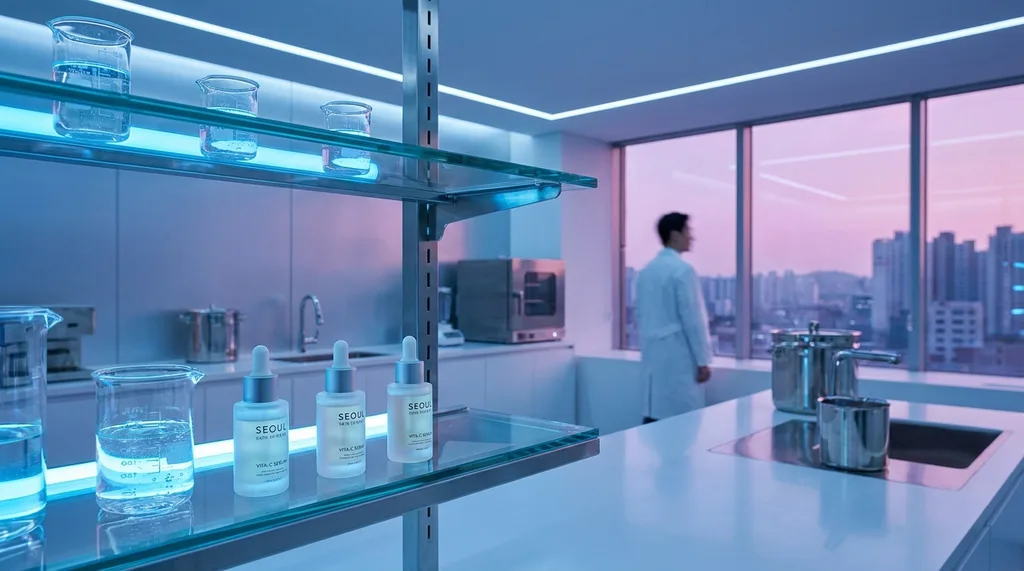
The "Glass Skin" phenomenon has become a global obsession, yet for those who have spent time navigating the aisles of Seoul’s bustling cosmetics hubs, the reality is far more clinical than the viral videos suggest. We have been sold a vision of ethereal, poreless skin achievable through a ten-step ritual of layering, but that perspective misses the fundamental engine of the Korean beauty industry: it is not a market built on marketing, but on a rigid, government-mandated framework of skin engineering.
🎵 K-Mono Lofi — Seoul Study Beats
Read deeper with Seoul lo-fi in the background — curated by K-Mono Lofi

Key Takeaways * Regulatory Rigor: Unlike Western markets that rely on post-market safety checks, Korean "Functional Cosmetics" (Gineungseong-hwajangpum) require pre-market clinical validation for efficacy claims. * Ingredient Literacy: The shift in Korean beauty is driven by a consumer culture that prioritizes chemical compatibility and barrier integrity over decorative branding. * The Reality of Routines: The legendary multi-step routine is less about "more is more" and more about managing "Sok-geonjo" (inner-skin dryness) through systematic hydration.
The Regulatory Wall That Changes Everything
To understand why Korean products often outperform their international counterparts in clinical trials, one must look at the Ministry of Food and Drug Safety (MFDS). In the US or Europe, brands can often make broad claims about skin improvement with minimal clinical proof. In Korea, if a product claims to improve wrinkles or provide whitening, it must be registered as a "Functional Cosmetic."
This is not a mere label—it is a legal category. Companies must invest anywhere from $8,000 to $15,000 per product and undergo months of rigorous clinical testing to prove those claims. This high barrier to entry effectively filters out products that are all packaging and no substance, forcing brands to compete on the actual science of their ingredients. When a Korean brand highlights a specific active, it is almost certainly because they have the data to back it up—otherwise, they are legally prohibited from making that claim.
The "Sok-geonjo" Paradox
If you have ever felt that your skin is oily on the surface but parched and tight underneath, you are experiencing what Koreans call Sok-geonjo. It is the primary target of the famous Korean layering method. Western skincare often focuses on the stratum corneum—the outermost layer—with heavy creams that can sit on the skin, causing congestion.
Korean skincare methodology, however, treats hydration as a multi-phasic process. By using the Heup-to (absorption toner) method—applying multiple thin, watery layers—consumers can deliver moisture deeper into the epidermis without overloading the skin with heavy lipids. This is why you see so many "essence" and "toner" products in a routine; they are not redundant, but distinct steps designed to build a moisture reservoir that prevents the skin from signaling for excess oil production.
Sorting Marketing Myth from Clinical Reality
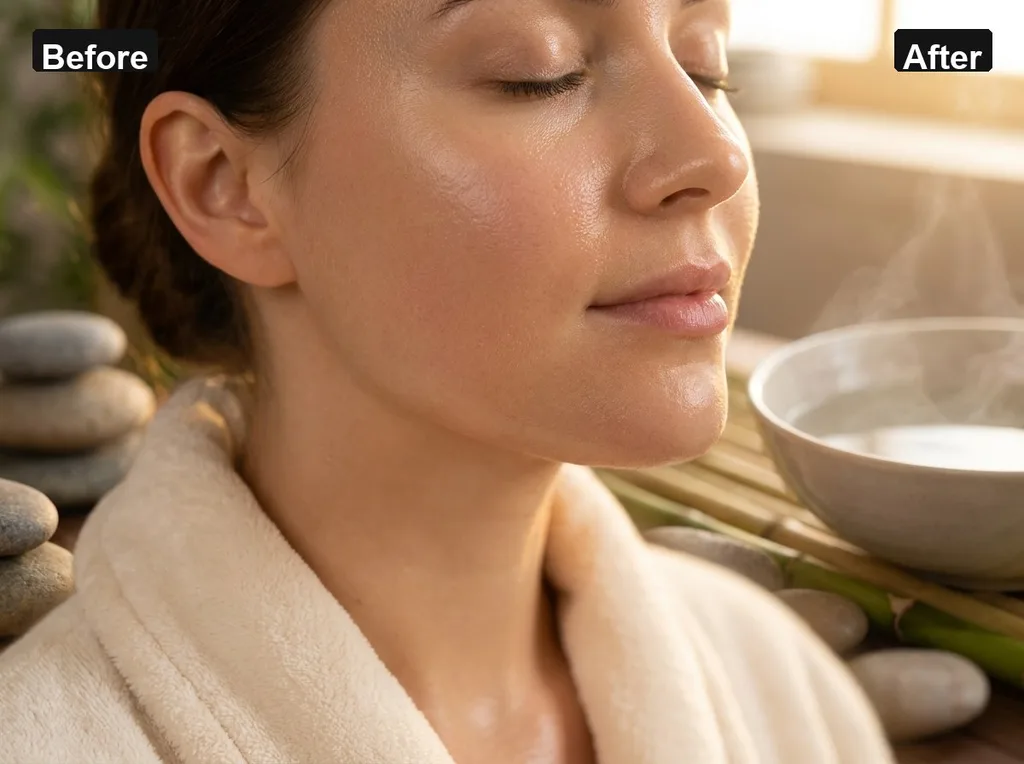
There is a prevalent myth that "natural" is always better in K-Beauty. If you walk into an Olive Young in Gangnam, you will see a massive emphasis on "Cica" (Sika), but it isn't prized because it’s "natural"—it’s prized because it modulates the inflammatory cascade through ingredients like madecassoside.
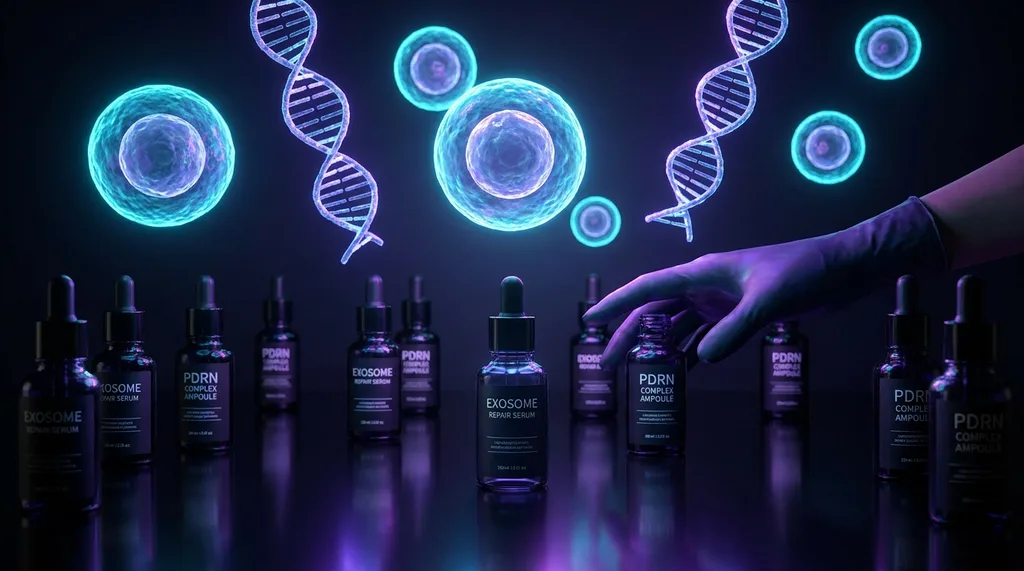
The industry is currently pivoting from the "Glass Skin" trend toward "Skin Science 2.0." This involves the use of high-performance actives like PDRN (Polydeoxyribonucleotide) and exosomes. These are not trendy additives; they are bio-engineered molecules that have moved from clinical injection treatments directly into at-home topicals. The marketing is catching up to the science, rather than the other way around.
Frequently Asked Questions
Is a 10-step routine necessary for my skin? Absolutely not. The 10-step routine is a marketing construct; the reality of the Korean routine is "customization." If your skin is sensitive, you might only need a cleanser, a soothing toner, and a ceramide-rich moisturizer. The "routine" is a library of steps you choose from, not a manual you must follow completely.
Why are Korean ingredients often different from Western ones? Korean formulations heavily rely on Gosi-wonryo (MFDS-notified ingredients). These are government-vetted actives that have a proven history of safety and efficacy. By focusing on these, brands can ensure their products meet the high standards required for "Functional Cosmetic" certification.
Can I mix K-Beauty with my current products? Yes, but prioritize the texture. If you are using a strong retinol or AHA/BHA from a Western brand, use your Korean essence or toner as a "buffer" to maintain the skin barrier. Korean toners are specifically formulated to have a pH that balances the skin, making them perfect companions for stronger actives.
⚠️ Disclaimer: The information provided here is for educational purposes only and does not constitute medical advice. Skincare needs are highly individual; always perform a patch test when introducing new ingredients, and consult with a board-certified dermatologist before beginning any intensive treatment regimen or if you have specific skin conditions.
⚠️ Disclaimer: This article is for informational and educational purposes only and does not constitute medical, dermatological, or financial advice. Individual results vary — consult a board-certified dermatologist or physician before starting any new skincare routine, supplement, or procedure, especially if pregnant, nursing, or taking other medications. This article may contain affiliate links — if you buy through them, we may earn a small commission at no extra cost to you.
✓ Researched and compiled using verified data as of the publication date.
 Written by Jun Mi Jung for Quiet Korea | Contact: rsl.2001.1975@gmail.com
Comments
Post a Comment