Beyond the Folklore: Why Your Grandmother’s Skincare Was Actually Empirical Science
Beyond the Folklore: Why Your Grandmother’s Skincare Was Actually Empirical Science
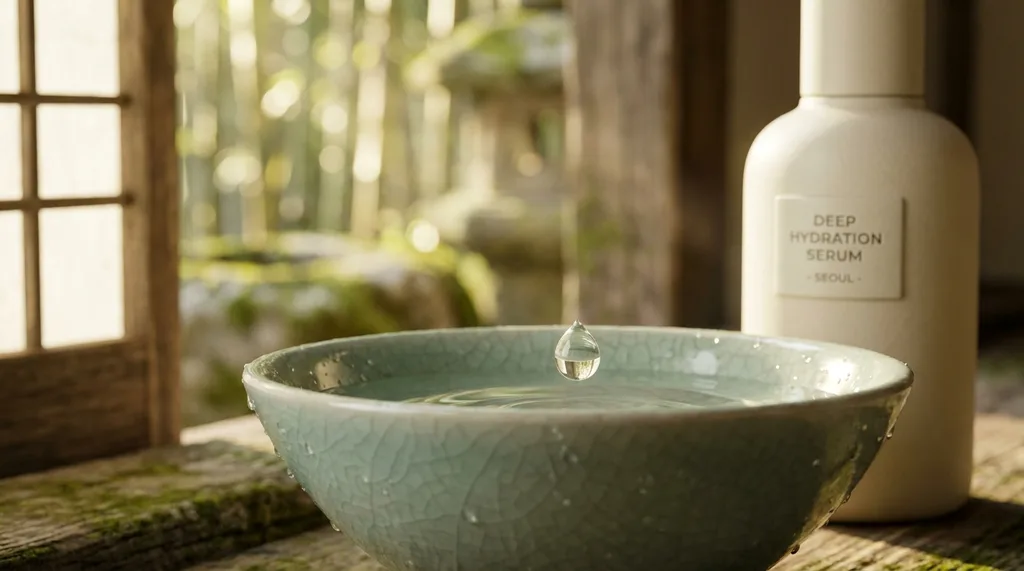
Walk into a traditional hanyakbang in Seoul, and the air smells like the history of Korean beauty itself: dried roots, crushed herbs, and the distinct, earthy sharpness of fermentation. For decades, the global beauty industry has treated Korea’s traditional mi-an-beop (beauty methods) as quaint folklore—charming, dusty rituals to be "modernized" and "validated" by Western science. But there is a flaw in that narrative. The truth is that when a Korean grandmother rinsed her face with ssaldteumul (rice water) or applied a ground nokdu (mung bean) mask, she wasn't just performing a ritual. She was practicing a form of empirical science that predated modern cosmetic chemistry by centuries.
Key Takeaways * Traditional Korean beauty practices are not mere folk remedies; they are early forms of empirical science that prioritized barrier health over harsh intervention. * Modern K-Beauty success is built on a "hybrid" model that stabilizes these ancient botanical extracts into clinically tested, dermatologically safe formulations. * The most effective skincare routine balances the emotional, sustainable wisdom of heritage ingredients with the precision of contemporary delivery systems.
The Myth of the "Home-Mixed" Miracle
It is tempting to believe that the secret to glass skin lies in a DIY rice-water rinse or a kitchen-ground bean paste. TikTok and YouTube are full of influencers pushing these raw, unprocessed hacks. But here is the reality: the modern Korean consumer has largely moved past the "kitchen laboratory" phase.
Why? Because traditional wisdom has limits. Raw ingredients are volatile. They lack preservatives, are susceptible to bacterial contamination, and often have molecular structures too large to penetrate the stratum corneum—the skin’s outer barrier. While your grandmother’s ssaldteumul rinse contained ferulic acid and inositol, it also carried the risk of fungal growth if left sitting on the counter. The modern shift in Korea isn't about abandoning tradition; it is about technological translation. Today, labs in Pangyo are breaking down those same mung beans and mugwort plants into bio-fermented, stabilized molecules that can actually reach the dermis without triggering contact dermatitis.
Understanding the Ingredient Hierarchy
To bridge the gap between tradition and technology, you must understand what these ingredients are actually doing. Korean beauty is, at its core, a conversation about the skin barrier.
| Ingredient | Traditional Use | Scientific Reality |
|---|---|---|
| Rice Water | Brightening & Softening | Ferulic acid & vitamins inhibit oxidative stress. |
| Mung Bean | Exfoliation | Saponins provide gentle, non-abrasive cleansing. |
| Mugwort | Anti-inflammatory | Azulene modulates the inflammatory cascade. |
| Black Soybean | Nourishment | Dense in protein & fatty acids for barrier repair. |
🎵 K-Mono Lofi — Seoul Study Beats
Read deeper with Seoul lo-fi in the background — curated by K-Mono Lofi
The Innovation of Fermentation
If you want to understand why K-Beauty feels different, look at makgeolli (unfiltered rice wine). For centuries, Korean women used the dregs of this fermented wine to tone their skin. They didn't know about "live probiotics" or "alpha-hydroxy acids," but they observed that their skin looked clearer and felt smoother after application.
Modern science has since confirmed that the fermentation process breaks down large botanical molecules into smaller, bioavailable forms. A fermented extract from eoseongcho (heartleaf) is significantly more potent than the raw plant because it is easier for your skin to absorb. This is the "secret" to the Korean approach: taking an ingredient that is geographically and culturally native and using biotechnology to amplify its efficacy.
Why the Western "Clinical" Approach Often Fails
The Western beauty market is obsessed with the "active." If you have a problem, you reach for the highest percentage of retinol or glycolic acid available. It is a philosophy of correction. The Korean philosophy is one of maintenance.
When you strip the skin with harsh acids, you are effectively breaking the wall to build a new one. When you use a traditional barrier-focused approach—like a panthenol-infused black soybean essence—you are reinforcing the wall while it is still standing. The result? Fewer flare-ups, less trans-epidermal water loss, and a glow that comes from actual health rather than just exfoliation.
This article may contain affiliate links — if you buy through them, we may earn a small commission at no extra cost to you.
Frequently Asked Questions
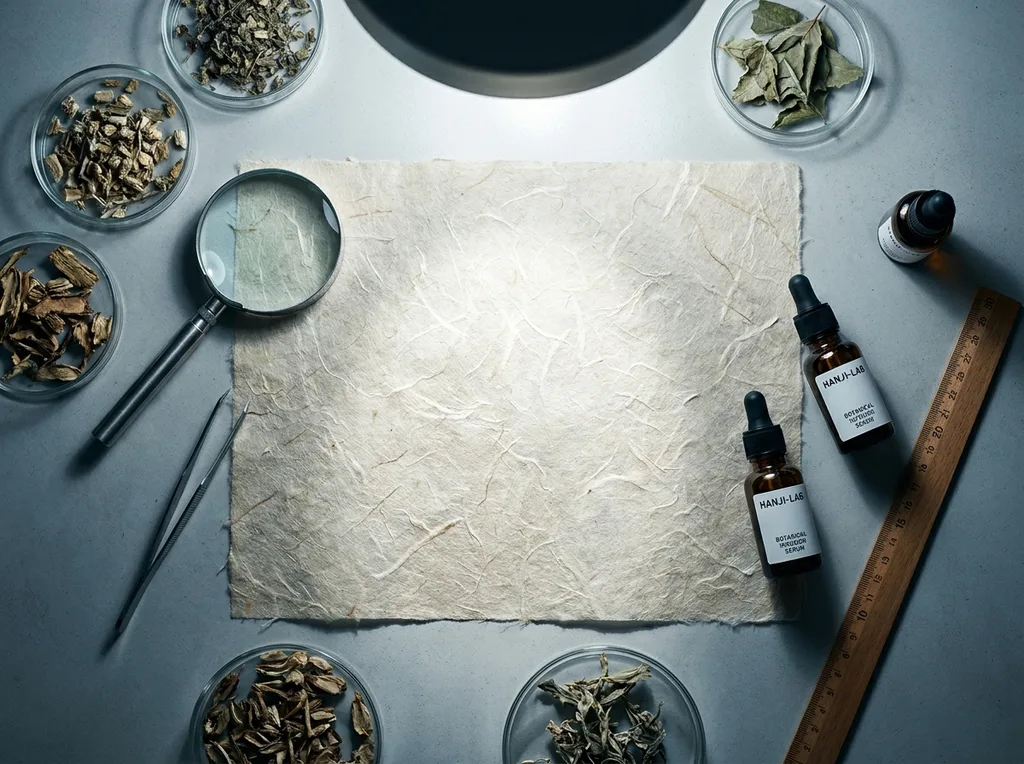
Can I use raw rice water at home instead of a store-bought toner? While you can, it is rarely recommended by dermatologists. Raw rice water lacks a preservative system, making it a breeding ground for bacteria within hours. Commercial toners are formulated to replicate those benefits with sterilized, stabilized extracts.
How long does it take to see results from traditional fermented ingredients? Unlike high-concentration chemical peels, fermented botanical ingredients work in sync with your skin's natural turnover cycle. You should expect to see improved hydration and barrier resilience within 4 to 6 weeks of consistent use.
Is it safe to mix my own herbal face masks? For most people, no. Homemade preparations often have unpredictable pH levels that can disrupt your skin's acid mantle. It is safer to rely on products that have been pH-balanced and dermatologically tested for stability.
⚠️ Disclaimer: The information provided here is for educational purposes and does not constitute medical advice. Always perform a patch test when trying new skincare ingredients, especially if you have sensitive skin or a history of contact dermatitis. Consult with a board-certified dermatologist before introducing new routines if you have active skin conditions or concerns.
✓ Researched and compiled using verified data as of the publication date.
 Written by Jun Mi Jung for Quiet Korea | Contact: rsl.2001.1975@gmail.com