Beyond the 10-Step Myth: The Science of Sustained Glass Skin
Beyond the 10-Step Myth: The Science of Sustained Glass Skin
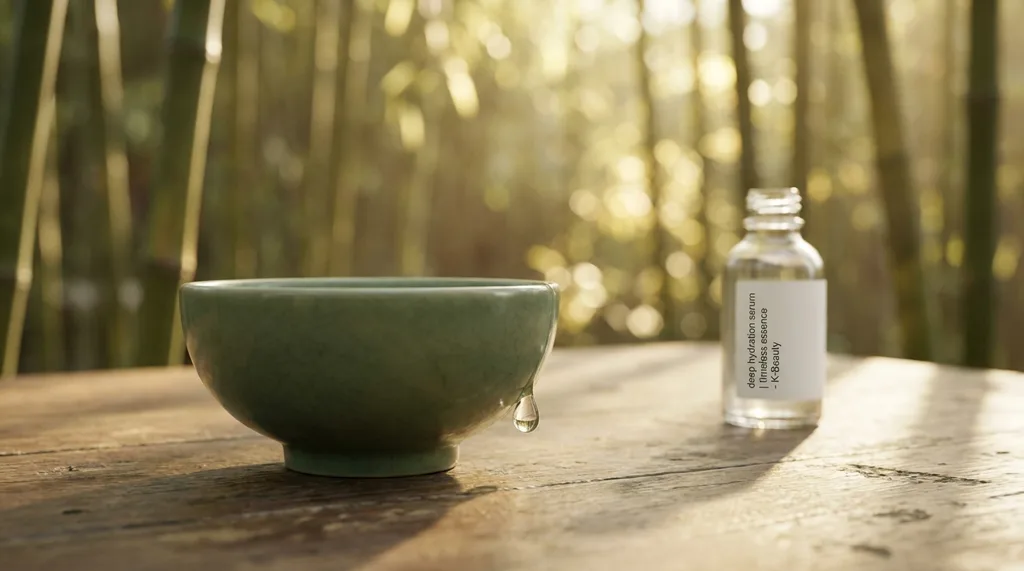
The "Glass Skin" phenomenon has become a global obsession, yet for many, the path to that elusive, translucent glow is paved with good intentions—and damaged skin barriers. Walk into any Olive Young in Seoul, and you will notice a distinct departure from the "more is better" philosophy that once dominated the conversation. The reality is that the most radiant complexions in South Korea are not the result of a 10-step gauntlet, but of a calculated, dermatological approach known locally as Pibugwahak (skin science).
🎵 K-Mono Lofi — Seoul Study Beats
Read deeper with Seoul lo-fi in the background — curated by K-Mono Lofi
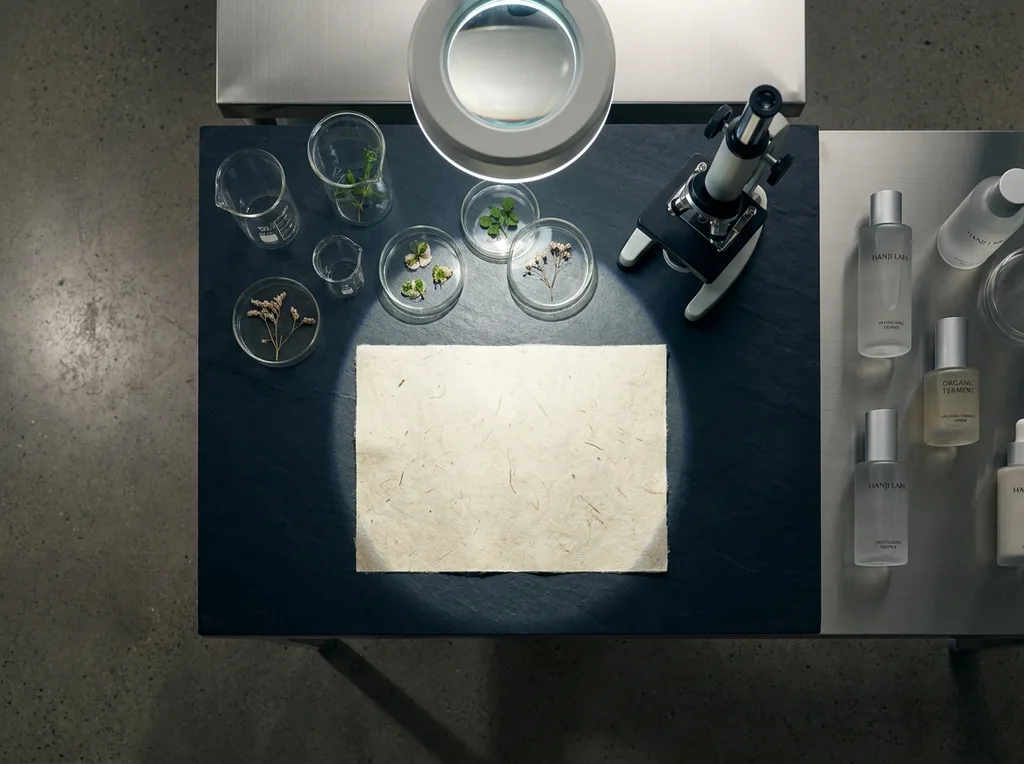
Key Takeaways * Glass skin is a result of structural barrier stability, not just the number of products layered on the skin. * Proper application relies on the viscosity gradient—applying textures from the most watery to the most oil-rich to ensure optimal penetration. * Over-care is the primary enemy; a "cosmetic diet" tailored to your skin’s specific sebum production is often more effective than an exhaustive multi-step routine.
The Physics of the Glow
At its core, the Yurial-pibu (glass skin) aesthetic is about light reflection. When the skin barrier is compromised, the surface becomes uneven, causing light to scatter rather than reflect, which results in a dull, lackluster appearance. The Korean approach to fixing this involves a deep understanding of molecular weight.
Many enthusiasts fail to realize that hydration is not a single-layer event. Research into Hyaluronic Acid (HA) shows that its efficacy is entirely dependent on molecular size. Large molecules hydrate the surface, while smaller, hydrolyzed versions penetrate the deeper epidermis to provide structural support. The "glass" effect is achieved when both layers are balanced. When you see a local enthusiast pressing their toner into their skin with the focus of a technician, they are practicing a deliberate strategy: maximizing the absorption of these varying molecular weights to plump the skin from within.
Why Your Current Routine Might Be "Over-Care"
The greatest irony of modern skincare is Obeoke-eo (over-care). By layering ten different products, many users inadvertently disrupt their lipid barrier, leading to Sok-geonjo—a state where the skin feels tight and parched beneath a surface layer of oil.
According to clinical observations in Seoul, the most effective routines are those that adapt to the environment. In high-humidity conditions, a heavy occlusive cream is often redundant and potentially pore-clogging. The standard of care is shifting toward minimalist protocols where the routine is pruned back based on the skin’s current needs.
Stop rushing your layers. Korean dermatologists emphasize a 30-to-60-second waiting period between steps. This allows the skin to reach an equilibrium where the previous layer is absorbed, preventing the "pilling" effect and ensuring the active ingredients actually reach their target depth.
Ingredients That Actually Move the Needle
While marketing buzz often centers on trendy botanicals, the clinical consensus remains focused on stabilizers. Galactomyces Ferment Filtrate (GFF) is a prime example. Rich in amino acids and B vitamins, it has been shown to support the expression of filaggrin—a protein essential for barrier function. It is not a "miracle" ingredient, but rather a functional bridge that helps maintain skin stability during seasonal transitions.
The reality of GFF and skin sensitivity →
The Strategic Routine: A Minimalist Framework
To move away from the myth of the 10-step routine, consider this structure based on the current Pibugwahak consensus:
- pH-Balanced Cleansing: Remove impurities without stripping the natural lipid layer.
- Watery Hydration: Use a low-viscosity toner (the first "skin" layer) to saturate the stratum corneum.
- Active Treatment: Apply a targeted serum (e.g., GFF or HA) while the skin is still damp.
- Sealant: Use a lightweight emulsion to lock in the hydration, rather than an overly occlusive cream that might trigger inflammation.
Frequently Asked Questions
How long does it take to see results? Skin turnover typically takes 28 to 40 days depending on age. A consistent, science-backed routine will generally show visible improvements in texture and brightness within the first four weeks, provided the skin barrier is not being disrupted by over-exfoliation.
Can I use too many actives at once? Yes. Combining multiple strong actives—such as high-concentration Vitamin C, Retinol, and chemical exfoliants—in a single routine is the most common cause of barrier damage. Stick to one primary active per session (e.g., Retinol at night, antioxidants in the morning).
Is "Glass Skin" possible for oily skin? Absolutely. The glass skin look is about hydration and clarity, not oiliness. In fact, oily skin often benefits more from a minimalist, water-based routine, as it prevents the pore-clogging that occurs when trying to "moisturize" with heavy oils.
⚠️ Disclaimer: This information is for educational purposes and does not constitute medical advice. Skincare needs are highly individual; consult with a board-certified dermatologist before introducing new active ingredients, especially if you have existing conditions or are currently using prescription topical treatments.
⚠️ Disclaimer: This article is for informational and educational purposes only and does not constitute medical, dermatological, or financial advice. Individual results vary — consult a board-certified dermatologist or physician before starting any new skincare routine, supplement, or procedure, especially if pregnant, nursing, or taking other medications. This article may contain affiliate links — if you buy through them, we may earn a small commission at no extra cost to you.
✓ Researched and compiled using verified data as of the publication date.
 Written by Jun Mi Jung for Quiet Korea | Contact: rsl.2001.1975@gmail.com