Beyond the Folklore: The Science of Korea’s Ancient Beauty Rituals
Beyond the Folklore: The Science of Korea’s Ancient Beauty Rituals
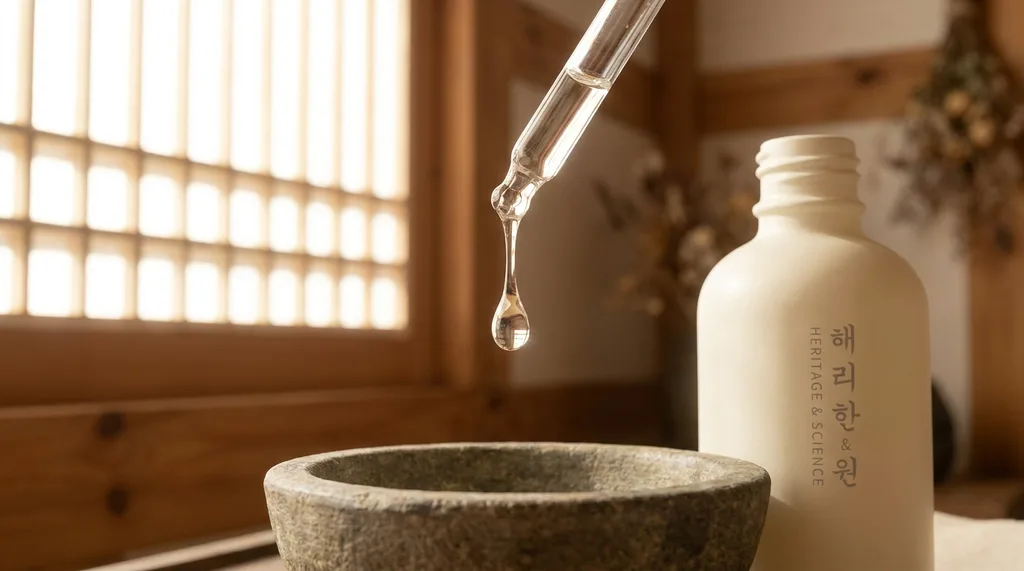
Walk into any modern clinic in Gangnam, and you will see the same aesthetic philosophy that has defined Korean beauty for centuries: the obsession with the skin barrier as the ultimate seat of health. But while the neon lights and laser protocols are new, the ingredients inside the syringes—the soothing eoseongcho (heartleaf), the fermented soybean extracts, and the mugwort—are the same ones that women in the Joseon dynasty used to protect their skin against the harsh peninsula winters.
The modern global obsession with K-Beauty often skips over the "why," treating ancient practices like min-gan-yo-beop (folk remedies) as quaint, superstitious folklore. The truth is far more empirical. When a Korean grandmother applied fermented rice water or ground mung bean paste to her face, she wasn't guessing. She was performing rudimentary chemistry, utilizing the same active compounds—kojic acid, saponins, and ferulic acid—that are now synthesized and sold in $100 bottles in every luxury department store worldwide.
Key Takeaways * Korean traditional beauty is not folklore, but empirical skincare; ingredients like mugwort and rice bran contain active compounds now validated by molecular science. * Modern K-Beauty is a "best of both worlds" hybrid: using ancient botanical wisdom refined through pharmaceutical-grade safety and stabilization. * DIY ingredients carry real risks like contact dermatitis; the current market shift prioritizes "functional" products that mimic traditional benefits without the physical hazards of raw home-mixing.
The Evolution: From Kitchen Counter to Clinical Lab
The transition of Korean beauty from the kitchen to the clinic is a story of stabilization. Historically, mi-an-beop (traditional beauty methods) relied on raw ingredients. Take yulmu (Job’s tears), for example. Traditionally used in powders for brightening and exfoliating, it is now known to contain coixenolide, an active compound that inhibits melanin production.
However, the raw application of such ingredients is fraught with risk. Unstabilized botanicals can harbor mold, fungi, and bacteria, leading to the exact skin barrier damage they are meant to heal. This is why the contemporary Korean market has bifurcated. Today, the most successful brands don't sell "raw ingredients"; they sell the essence of tradition—extracts that have been fermented, purified, and tested for irritancy in a lab.
This is the "Hybrid Strategy." It acknowledges that the grandmother who used rice water to brighten her skin was right about the biochemistry, but it recognizes that the modern consumer requires the safety of a dermatologist-monitored supply chain.
How Traditional Ingredients Actually Work
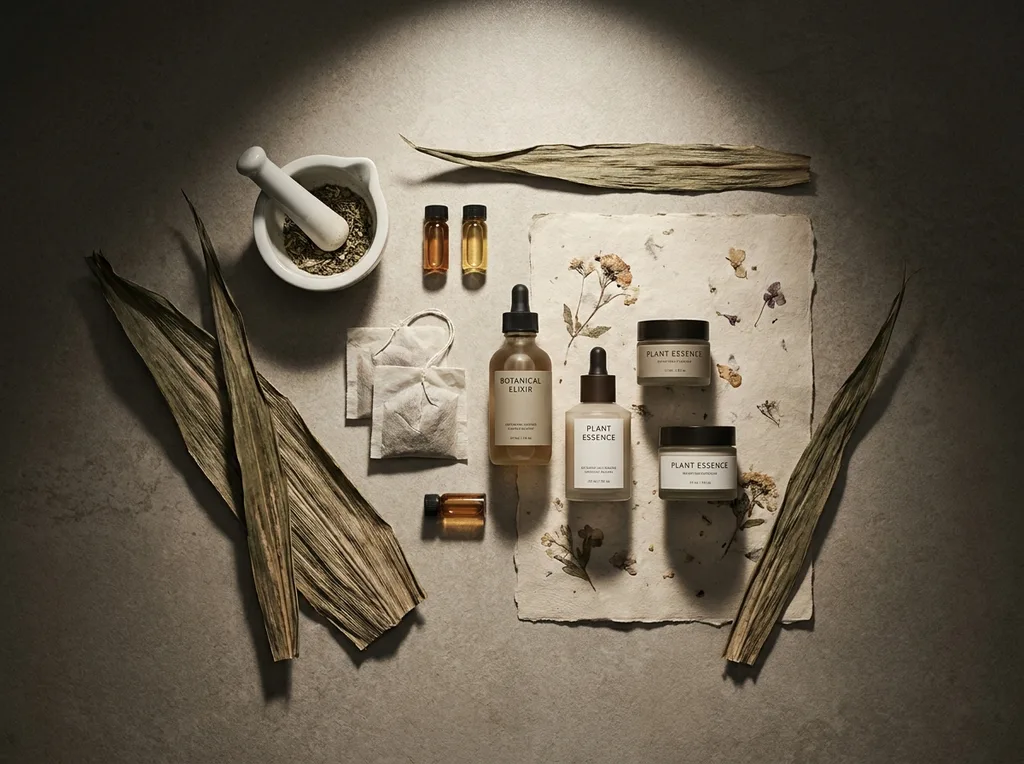
We can now map these ancient remedies to their active mechanisms. The following breakdown shows how the "superstition" of the past aligns with the clinical reality of today:
| Ingredient | Traditional Purpose | Active Compound | Scientific Mechanism |
|---|---|---|---|
| Eoseongcho | Inflammation & Detox | Quercitrin | Potent antioxidant; inhibits pro-inflammatory cytokines |
| Yak-kong | Barrier Nourishment | Isoflavones | Improves lipid barrier function; supports collagen synthesis |
| Makgeolli | Brightening & Texture | Kojic Acid | Inhibits tyrosinase, reducing melanin production |
| Dongbaek Oil | Elasticity & Sealing | Oleic Acid | Matches skin's natural sebum profile; locks in moisture |
The full breakdown: Why fermentation changes everything →
The Risks Nobody Mentions
There is a dark side to the "DIY" trend that social media often ignores. The push for "authentic" home remedies has led to a rise in secondary skin issues. Using raw plant powders on an inflamed or broken skin barrier is a recipe for allergic contact dermatitis. Furthermore, without the preservatives used in commercial formulations, these mixtures become petri dishes for microbial growth within hours.
When we look at the clinical standard, the goal of Korean skincare is barrier integrity. If you are attempting a DIY recipe, you are rarely achieving the pH balance required to keep your skin's acid mantle intact. This is the primary reason why many Korean women have moved away from homemade masks and toward standardized, barrier-repairing products like the Illiyoon Ceramide Ato line—they offer the same traditional soothing benefits of eoseongcho and ceramides without the risk of microbial infection or pH disruption.
Finding Your Path: Heritage Meets Modern Safety
Before diving into the supplement side of inner-beauty, it’s worth noting that the most effective K-Beauty routines are those that balance the "outside-in" (topical) with the "inside-out" (internal support).
🎵 K-Mono Lofi — Seoul Study Beats
Read deeper with Seoul lo-fi in the background — curated by K-Mono Lofi
If you are looking to integrate these traditional botanical benefits into your own life, look for brands that prioritize "functional herbalism." These products utilize the same Hanbang (traditional Korean herbal medicine) philosophies but are formulated in ISO-certified laboratories.
This article may contain affiliate links — if you buy through them, we may earn a small commission at no extra cost to you.
⚠️ Disclaimer: The information provided here is for educational purposes and is not a substitute for professional medical advice, diagnosis, or treatment. Traditional remedies, even natural ones, can cause adverse reactions. Always perform a patch test on a small area of skin before applying any new ingredient, and consult with a board-certified dermatologist before incorporating new supplements or treatments into your routine, especially if you have pre-existing skin conditions or are pregnant or nursing.
✓ Researched and compiled using verified data as of the publication date.
 Written by Jun Mi Jung for Quiet Korea | Contact: rsl.2001.1975@gmail.com