Beyond the Glow: Why Your Kitchen-Made Fermented Skincare Is Riskier Than You Think
Beyond the Glow: Why Your Kitchen-Made Fermented Skincare Is Riskier Than You Think
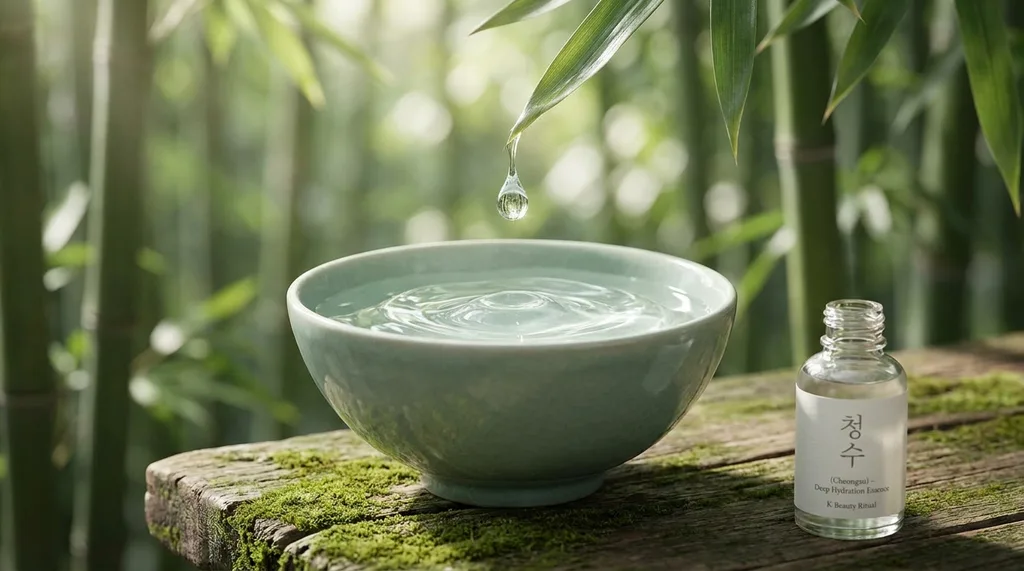
Walk into any high-end dermatology clinic in Seoul’s Gangnam district, and you will notice a common thread among patients seeking the "Glass Skin" standard. While the shelves are lined with sophisticated, bio-engineered serums, the advice given in the consultation room is often grounded in a strict, clinical hierarchy of ingredients. There is a pervasive myth, amplified by social media, that "traditional" beauty means "homemade"—that if your grandmother used rice water or fermented grain rinses, you should, too.
🎵 K-Mono Lofi — Seoul Study Beats
Read deeper with Seoul lo-fi in the background — curated by K-Mono Lofi
But there is a dangerous misunderstanding of how these ingredients translate from historical folk practice to modern skin science.
Key Takeaways * Home-fermented liquids lack standardization, making it impossible to control the concentration of bioactive compounds like kojic acid. * DIY rice-based preparations are microbiologically unstable, turning potential skincare into a breeding ground for pathogens that disrupt your skin barrier. * Clinical-grade skincare utilizes bio-transformed postbiotics that mimic traditional fermentation while ensuring safety, stability, and pH control.
The Clinic’s Perspective: Why Safety Outweighs Tradition
In Seoul, the pursuit of 글래스 스킨 (Glass Skin) is treated as an engineering project. When a patient presents with hyperpigmentation, the clinical goal is to modulate melanin production using controlled, standardized tyrosinase inhibitors. The industry standard, kojic acid, is a metabolic byproduct of the fungus Aspergillus oryzae—the same "koji" used in the traditional fermentation of rice.
However, the leap from a laboratory-synthesized 1% concentration of kojic acid to a bowl of home-fermented rice water is where the danger lies. Korean dermatologists generally advise against DIY ferments precisely because they cannot be measured. Clinical-grade products undergo rigorous batch testing to ensure they stay within the safety margins defined by the European Commission and the CIR (Cosmetic Ingredient Review). When you DIY, you are performing chemistry in an environment—your kitchen—that lacks the equipment to prevent dangerous pH fluctuations or microbial overgrowth.
Before diving into the science of why your skin may be reacting to these DIY "miracles," understanding how Korean dermatology approaches the skin barrier is vital. Read more on the intersection of ritual and science in our deeper look at [17 Diy Traditional].
The Science of Fermentation: Nature vs. The Lab
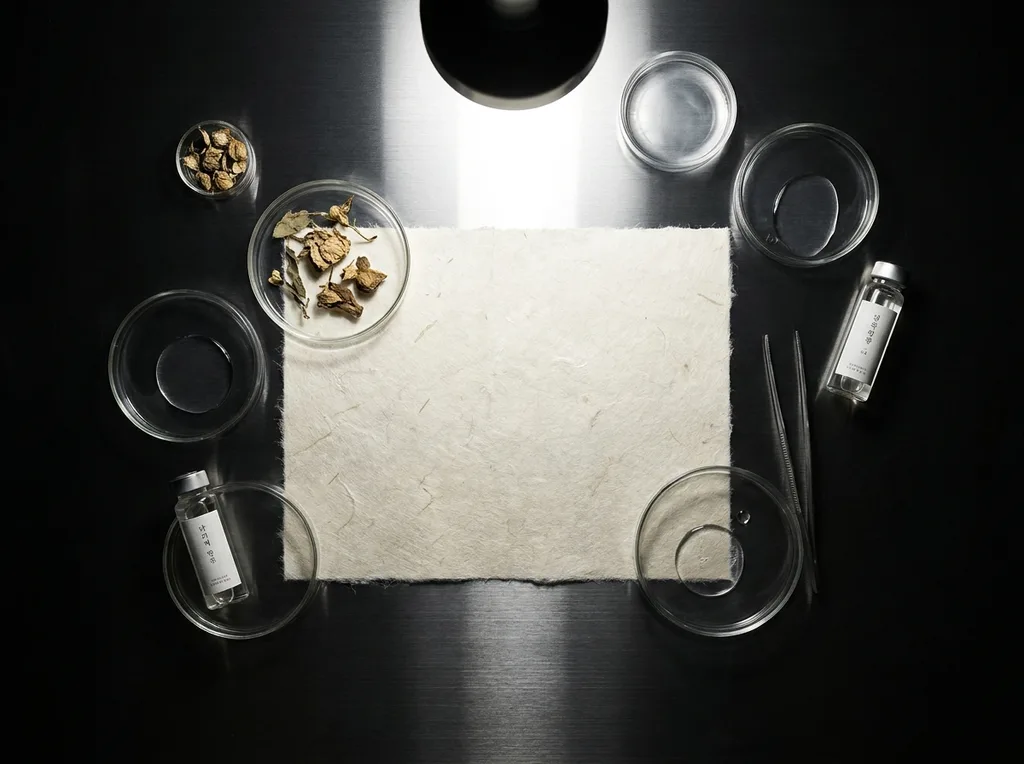
The allure of 막걸리 (makgeolli) and 쌀뜨물 (rice water) as skincare stems from the presence of organic acids and ferulic acid. These compounds are indeed powerful. Yet, the efficacy of an ingredient is inextricably linked to its concentration and the stability of its environment.
| Ingredient Source | Stability Profile | Safety Regulation | Microbiome Risk |
|---|---|---|---|
| Laboratory Ferment | High (Stabilized) | 1.0% Max Cap | Low (Preserved) |
| Kitchen Ferment | None (Volatile) | Unregulated | High (Contamination) |
The fermentation process in a laboratory uses controlled strains of Aspergillus oryzae to transform raw ingredients into "postbiotics"—bioavailable compounds that the skin can actually use. In your kitchen, the fermentation process is subject to wild yeast, ambient bacteria, and temperature fluctuations. This doesn't just result in an inconsistent product; it creates a "nutrient broth" for opportunistic bacteria.
Applying these mixtures to compromised skin—especially if you suffer from acne or eczema—is the fastest way to trigger dysbiosis, a state where your skin’s commensal bacteria are overwhelmed by pathogens. You aren't just applying "natural" ingredients; you are layering a variable microbial culture onto a delicate, living barrier.
The Korean Routine: Why Consistency Wins
In Seoul, the most successful skincare routines focus on stability. Korean women who maintain clear, luminous skin throughout their 30s and 40s rarely rely on unpreserved, homemade mixtures. Instead, they leverage standardized fermented extracts that provide the benefits of traditional 코메누카 (komenuka)—rice bran—without the risk of bacterial infection.
If you are looking for the brightening effects of kojic acid or the soothing properties of fermented rice, opt for products that have been formulated for stability. These products are designed to deliver the active compounds at a pH that your skin can tolerate, typically between 4.5 and 5.5.
Navigating Global Access to Clinical Standards
For those outside of Korea, accessing high-quality, standardized fermented skincare is easier than ever via reliable international retailers. Because ingredient stability is paramount, avoiding counterfeit or poorly stored products is essential. iHerb, for instance, provides direct-to-consumer access to the same reputable K-Beauty brands found in Seoul, with rigorous quality control standards.
This article may contain affiliate links — if you buy through them, we may earn a small commission at no extra cost to you.
⚠️ Disclaimer:
This content is for educational purposes only and does not constitute medical advice. DIY skincare preparations carry significant risks of bacterial contamination, chemical burns, and severe contact dermatitis. Always perform a patch test on your inner forearm before applying any new ingredient to your face. If you are experiencing persistent skin issues, consult with a board-certified dermatologist to discuss clinical-grade treatment options tailored to your skin’s unique barrier requirements. Pregnant or nursing individuals should consult a physician before incorporating new active ingredients into their routine.
✓ Researched and compiled using verified data as of the publication date.
 Written by Jun Mi Jung for Quiet Korea | Contact: rsl.2001.1975@gmail.com