The Science of Equilibrium: Why Your "Glass Skin" Routine is Failing You
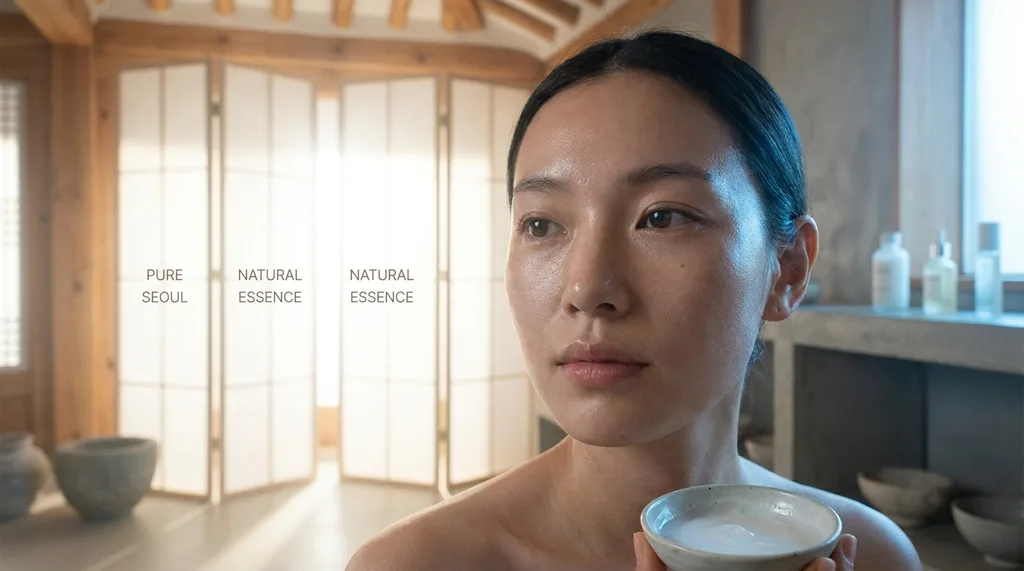
The pursuit of Yurial Pibu—the elusive, light-reflecting "glass skin"—is often framed as a vanity project or a marathon of application steps. If you search for the term online, you are flooded with images of ten-step routines and endless product stacks. Yet, for many who travel the long road of K-beauty, the result isn't a translucent glow. It is often a state of Dwijib-eojida—a total collapse of the skin barrier, characterized by redness, stinging, and the dreaded Subuji (oily-dehydrated) paradox.

The secret that the marketing brochures won't tell you is that glass skin isn't a collection of products. It is the visible byproduct of a balanced skin equilibrium.
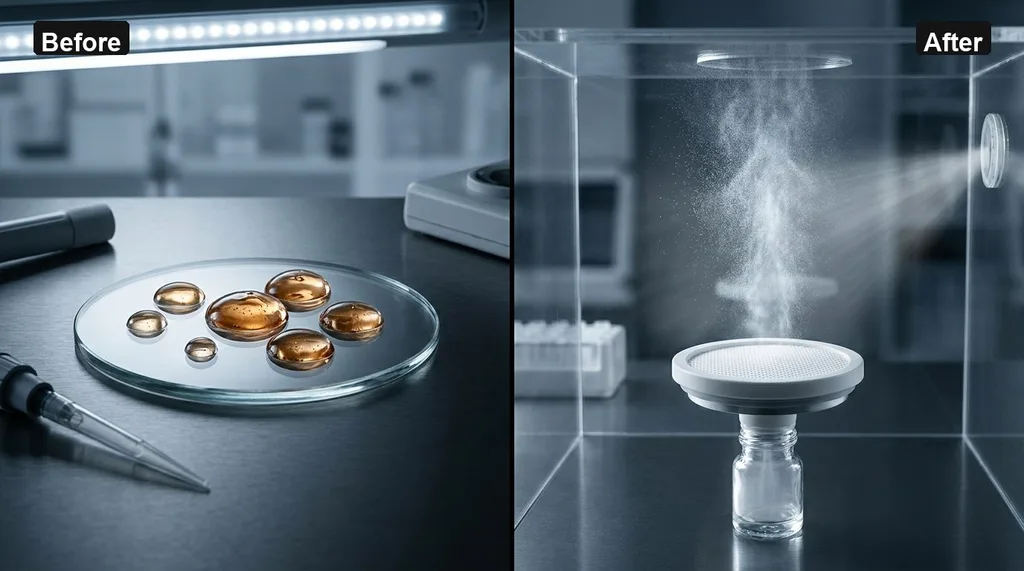
Key Takeaways * Molecular Precision: True absorption is governed by the 500 Dalton Rule; look for low-molecular-weight ingredients to bypass the stratum corneum. * The Diagnostic Shift: Move away from standardized 10-step routines toward a "Cosmetic Diet" that addresses your skin’s current state. * Fermentation as Fuel: Bio-transformed filtrates are not just trends—they are active delivery systems that modulate antioxidant signaling pathways.
The 500 Dalton Threshold: Why Most Serums Just Sit There
The skin is not a sponge; it is a fortress. Its primary job is to keep things out. When you apply a heavy, high-molecular-weight product, you aren't feeding your dermis; you are creating a film on the surface. This is why so many enthusiasts experience Sok-geonjo—that suffocating feeling of dryness underneath skin that looks greasy on top.
In Seoul’s dermatology labs, the conversation revolves around the 500 Dalton Rule. To penetrate the stratum corneum effectively, a molecule must weigh less than 500 Daltons. Ingredients like 234 Da collagen aren't just marketing buzzwords; they are structural necessities. Without this level of molecular engineering, your "glass skin" routine is merely layering moisture on a surface that cannot drink it.
Breaking the Cycle of Over-Care
The most common mistake reported by Korean skin specialists isn't "not doing enough"—it is Obeokeo (over-care). There is a misconception that more layers equal more hydration. In reality, every added layer increases the probability of ingredient conflict and barrier irritation.
The solution is the Hwajangpum Diet (Cosmetic Diet). By stripping your routine down to a baseline—a gentle cleanser, a single high-performance essence, and a barrier-repairing moisturizer—you allow your skin to find its equilibrium. Once the baseline is stable, you introduce one active at a time. If your skin "flips" or breaks out, you know exactly which culprit to eliminate.
🎵 K-Mono Lofi — Seoul Study Beats
Read deeper with Seoul lo-fi in the background — curated by K-Mono Lofi

The Alchemy of Fermentation
Why do Korean formulas feel different? Why does a single essence seem to change the texture of the skin in a way that Western lotions cannot? The answer lies in the Balhyo-yeogwamong (fermented filtrate).
Fermentation using Saccharomyces cerevisiae does more than just preserve ingredients. It bio-transforms raw botanical substrates into smaller, highly bioavailable compounds. These filtrates act as keys that unlock the Nrf2 signaling pathway, which is responsible for the skin's natural antioxidant defense. When you apply a fermented essence, you aren't just adding water; you are modulating your skin's inflammatory cascade.

The Cost of the Filtered Aesthetic
We must address the elephant in the room. The global obsession with glass skin has been turbo-charged by digital filters, creating a benchmark that is biologically impossible to achieve 24/7. Even in the most prestigious clinics in Gangnam, "glass skin" is recognized as a transient state—a result of clinical treatments, professional lighting, and precise hydration, not a permanent texture.
When you seek out products, do so with the understanding that skin is a living organ, not a pane of glass. It is allowed to have texture. It is allowed to have pores. The goal isn't to look like a screen; the goal is to feel comfortable in your own barrier.
Frequently Asked Questions
Can I mix Niacinamide with Vitamin C for glass skin? Yes, but the "never mix" rule is largely a relic of older, less stable formulations. However, if you have sensitive skin, using them at different times (e.g., Vitamin C in the morning, Niacinamide at night) reduces the risk of irritation, which is the enemy of a healthy barrier.
How long does it take to see results from a fermented essence? Because you are working to optimize your skin's internal signaling and barrier health, you should expect to see improved hydration and texture within 28 days—roughly one full skin-cell turnover cycle.
Is expensive always better for barrier repair? Not necessarily. The efficacy of a product often depends on the concentration of active ingredients and the molecular weight of the delivery system, not the brand's price point. Focus on identifying the key actives like niacinamide at 2-5% or specific botanical extracts like Ganghwal.
⚠️ Disclaimer: The information provided here is for educational purposes based on current dermatological trends and cosmetic science. It does not replace professional medical advice. Always perform a patch test when introducing new ingredients to your routine, and consult a board-certified dermatologist if you experience persistent irritation or signs of a damaged barrier.
This article may contain affiliate links — if you buy through them, we may earn a small commission at no extra cost to you.
✓ Researched and compiled using verified data as of the publication date.
 Written by Jun Mi Jung for Quiet Korea | Contact: rsl.2001.1975@gmail.com
Comments
Post a Comment