The Glass Skin Lie (And the Biology Behind What Actually Works)
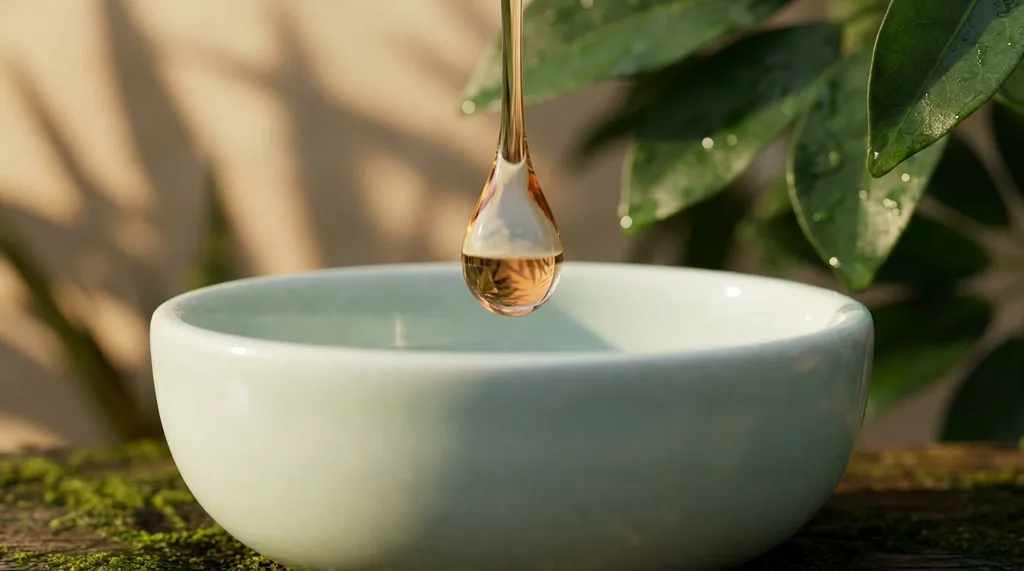
Korean women who genuinely have glass skin — the real kind, the kind that makes you stop mid-conversation and wonder what they're doing differently — will tell you something that almost never appears in the tutorials. The routine isn't the point. Something beneath every product they own, invisible to the eye, decides whether any of it works at all. And most of the global beauty internet has no idea what that something is.
- Your Skin Barrier Is Running the Show — With or Without Your Permission
- Why Korean Formulas Hit Different: The Fermentation Science No One Explains
- The Niacinamide Number That Changes Everything
- How Koreans Actually Layer (And Why the Sequence Is the Secret)
- What the Smartest Beauty Consumers in Seoul Already Know
- Explore Niacinamide & Barrier Serums
Here's the irony worth sitting with: in 2024, South Korea's cosmetics exports crossed USD 10.28 billion — a 20.3% jump from the previous year — while the very founders and formulators driving that growth were quietly pivoting away from the layering philosophy that made the industry famous. The public kept buying the 10-step routine. The insiders moved on.
That gap — between what global consumers believe about glass skin and what Korean skin science has actually established — is where this article lives.
[K-Beauty 101] Yuri Pibu (유리피부) — Glass skin. Not a product outcome, not a filter, not a foundation finish. The term describes a complexion so deeply hydrated and structurally intact that light bounces off it the way it does off polished glass — with a translucency that no amount of topical layering can fake if the biology underneath isn't doing its job.
Your Skin Barrier Is Running the Show — With or Without Your Permission
Think of the outermost layer of your skin — the stratum corneum — as a brick wall. The bricks are dead skin cells (corneocytes). The mortar between them is a mixture of ceramides, fatty acids, and cholesterol. This "brick and mortar" architecture has one primary job: holding water in and keeping irritants out. When it functions well, skin looks plump, even, and — yes — glass-like. When it's compromised, no serum on earth changes that. The serum just sits there, evaporating.
The clinical term for water escaping through a damaged barrier is Transepidermal Water Loss, or TEWL. Elevated TEWL is the enemy of glass skin, and it's largely invisible until the damage is already done — until skin starts feeling tight after cleansing, until redness appears without explanation, until a routine that worked perfectly last winter suddenly starts stinging.
Korean dermatologists have understood this for decades. The rest of the world is still catching up.
This is where the concept of overkea (오버케어, or "over-care") enters the conversation. Korean beauty communities have a word for it because they've watched it happen at scale: consumers so devoted to the ritual that they inadvertently dismantle the very structure they're trying to perfect. Ten steps applied to a compromised barrier doesn't fix the barrier. It often makes it worse.
The diagnostic-first philosophy that drives serious Korean skincare culture starts here. Before any product enters the picture, practitioners ask: what does this specific skin actually need right now? Not what a viral routine prescribes. Not what TikTok recommended. What does the barrier need?
✅ The Korean Diagnostic Approach
Assess barrier condition first. Select products by function and skin need. Prioritize ceramide replenishment and TEWL reduction. Use fewer products with higher efficacy per ingredient.
⚠️ The Global Imitation Approach
Copy a 10-step routine from social media. Add more products when results stall. Layer actives without checking for conflict. Measure progress by product count, not skin response.
Why Korean Formulas Hit Different: The Fermentation Science No One Explains
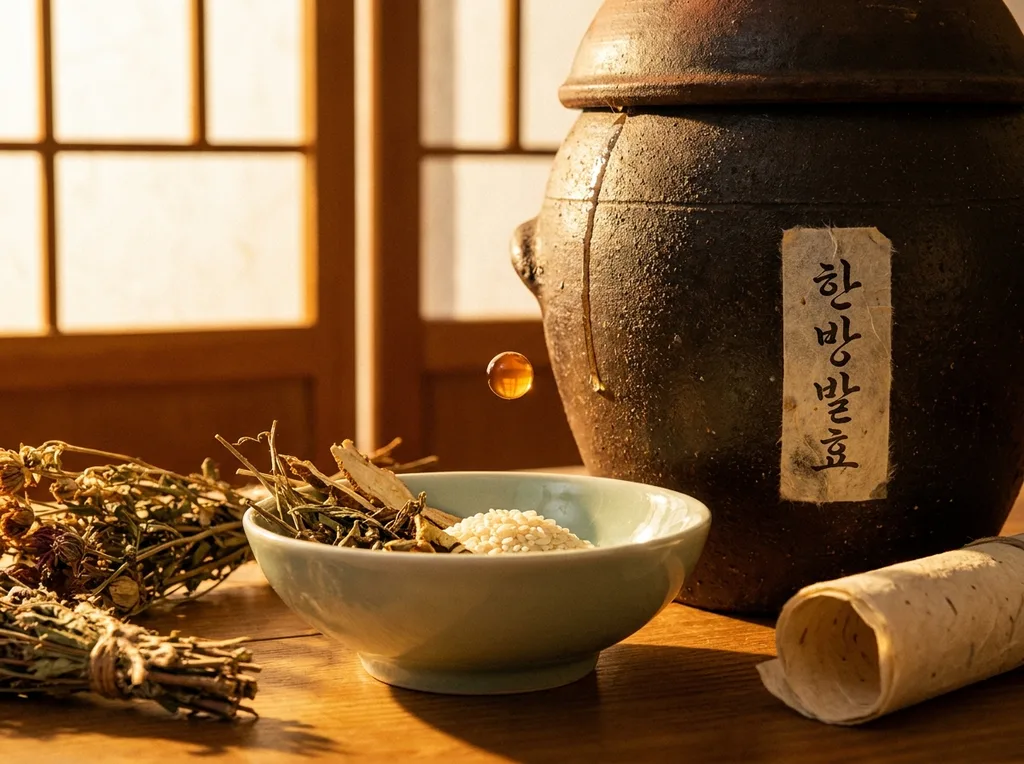
Assume you have the right ingredients. Now ask a harder question: are they actually reaching the cells that need them?
This is where Korean formulation science separates itself from almost everything else on the global market. The answer is fermentation — and the reason it works is molecular physics.
Standard skincare ingredients are often too large to penetrate the stratum corneum effectively. They sit on the surface, do partial work, and wash off. Fermentation, using specific microorganisms to break down complex organic compounds, reduces those molecular structures into smaller, more bioavailable forms. The result is a nutrient-dense filtrate — amino acids, peptides, metabolic byproducts — that passes through the skin barrier where the original ingredients couldn't.
Galactomyces ferment filtrate, derived from the fermentation of Aspergillus galactomyces, has been studied in skin cell models for its effect on caspase-14, an enzyme involved in the formation of the stratum corneum's natural moisturizing factor. Research published in the MatTek reference library found meaningful upregulation of this marker — which matters because caspase-14 directly influences how well the barrier retains moisture. This isn't marketing. This is the mechanism behind why certain Korean essences feel like they're doing something that plain hyaluronic acid doesn't.
🎵 K-Mono Lofi — Seoul Study Beats
Read deeper with Seoul lo-fi in the background — curated by K-Mono Lofi
Fermented niacinamide takes this further. Standard niacinamide can carry trace amounts of nicotinic acid — the compound responsible for the flushing and redness that some users experience. Fermentation reduces this residual content while preserving, and in some formulations enhancing, the core B3 activity. For formulators, it's a cleaner, more tolerable delivery of the same active. For consumers, it means getting the result without the alarm.

The industry's vocabulary for this shift is "skinification" — applying the same rigorous barrier-health logic to every category of product, from essences to scalp treatments to sunscreens. It's not a trend. It's a maturation.
The Niacinamide Number That Changes Everything
Of all the ingredients in the K-beauty canon, niacinamide is the one that rewards the most careful reading. And the most dangerous misconception about it isn't that it doesn't work. It's that more of it must work better.
Niacinamide is a derivative of Vitamin B3. Its clinical value in skincare is well-established: it acts as a precursor to NAD+, facilitating cellular energy metabolism and DNA repair. It stimulates ceramide synthesis, directly reinforcing that brick-and-mortar structure at the heart of barrier function. It reduces hyperpigmentation, minimizes the appearance of pores, and manages sebum production. Research published in the Journal of Dermatological Science and peer-reviewed across multiple clinical settings confirms these effects — at the right concentrations.
The clinical sweet spot is 4% to 8%. Within this range, niacinamide delivers its full portfolio of effects without generating meaningful irritation risk. Above 15%, the risk profile changes: sensitization increases, the potential for paradoxical redness rises, and there's evidence that the skin's tolerance mechanisms begin to push back.
The graph above isn't a manufacturer's chart. It reflects the clinical consensus documented in dermatological literature — including studies indexed by PubMed and the Journal of Dermatological Science — on niacinamide's dose-response relationship.
What this means in practice: a product sitting at 10% niacinamide is not twice as effective as one at 5%. It is, for many skin types, a liability dressed as a boast. Korean ko-deok — the self-appointed ingredient gatekeepers who memorize INCI lists and drive purchasing trends on platforms like Hwahae — learned this the hard way, and they've been warning about it in community forums for years. The wisdom just took time to cross the Pacific.
The shift toward fermented niacinamide compounds is partly a response to this ceiling. By increasing bioavailability through fermentation, formulators can achieve the clinical benefit at the lower, safer end of the concentration range. More effect. Less risk. Smaller number on the label — and that, counterintuitively, is the signal of sophistication.
How Koreans Actually Layer (And Why the Sequence Is the Secret)
The layering ritual — what the world knows as the multi-step routine — is real. But the rule governing it is simpler than any 10-step infographic suggests.
Thin to thick. Aqueous to occlusive.
That's it. Apply products in ascending order of viscosity. Start with the wateriest toners, move through essences and serums, end with creams and oils. The logic is physics: thicker products create a film that blocks subsequent absorption. Apply in the wrong order and you've essentially wasted the lighter products underneath.
The "30-second rule" — waiting between layers — isn't a beauty myth. It exists because product evaporation is real, and because overlapping wet layers before the previous one has partially absorbed can lead to pilling and, more critically, a compromised absorption environment. Korean consumers report treating this pause the same way they treat brewing tea: not optional, not approximate, just the way it's done.
What global tutorials rarely explain is "zonal layering," a practice particularly relevant for the skin type Koreans call suboji — combination skin that's oily along the T-zone but parched everywhere else. The approach: concentrate rich, occlusive hydration on the cheeks and around the eyes; use breathable, lighter layers on the nose and forehead. The goal is a moisture gradient that addresses the skin's actual geography instead of treating the whole face as a uniform surface.
[K-Beauty 101] Gicho (기초) — The fundamentals. In Korean beauty culture, this refers to the essential base steps — cleanse, tone, hydrate — without which no subsequent product performs as intended. Gicho is the reason Korean skincare education begins not with serums but with barrier preparation. The foundation isn't the product you put on last. It's the skin condition you cultivate first.
This is the part that separates functional glass skin routines from aesthetic imitation. Anyone can buy seven products and apply them in sequence. What Korean skin culture demands is intentionality at each step — knowing why each layer exists, what barrier function it supports, and whether the previous layer has done its job before the next one arrives.
What the Smartest Beauty Consumers in Seoul Already Know
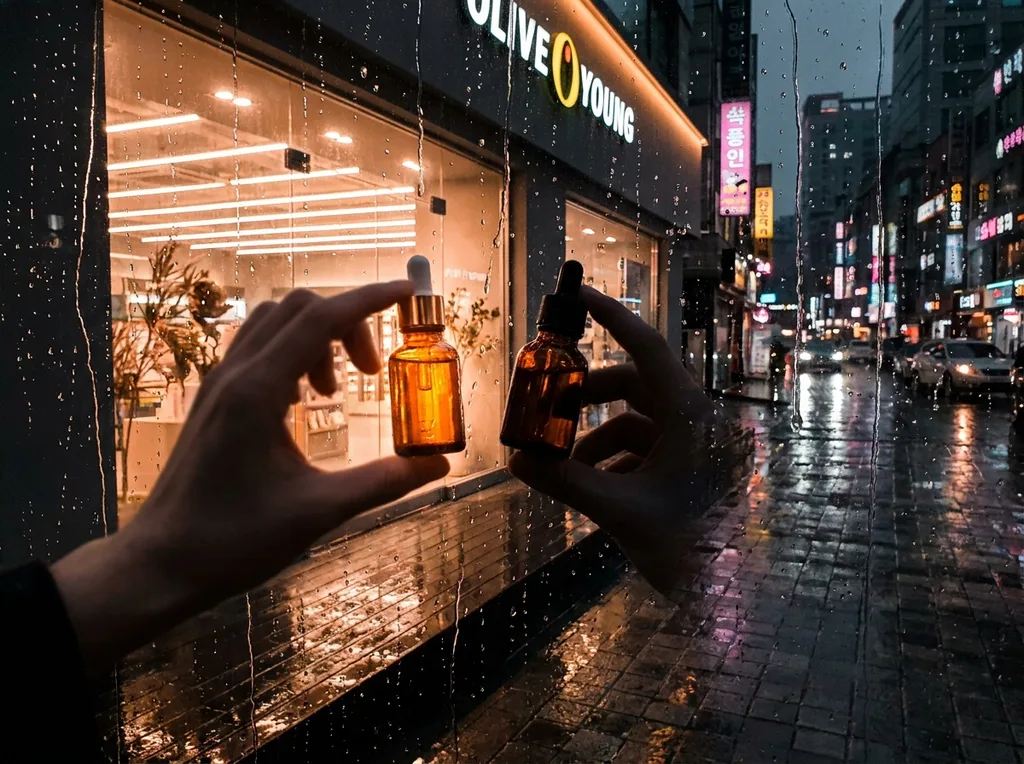
By the time a K-beauty trend appears on a Western social feed, the conversation in Korea has usually already moved past it. Walk the aisles of Olive Young on a Tuesday evening in Seoul and what you'll notice isn't the 10-step displays. It's the single-ingredient serums. The fermented filtrate essences. The minimalist packaging that announces concentration percentages like a medical label instead of a lifestyle aspiration.
This is "functional minimalism" — the market's own correction after years of step inflation. Brands are now bundling core products with small-volume sachet samples, encouraging trial before commitment. Consumers are rewarded for restraint. The vocabulary has shifted from "how many steps" to "which steps actually do something."
The platform Hwahae — effectively South Korea's consumer intelligence engine for beauty — has made this possible at scale. Users don't just browse products; they interrogate formulations, flag potentially irritating ingredients, and cross-reference user reviews for specific skin types. In Korean beauty communities, the distinction between a sponsored post (협찬) and an honest, unsponsored review (솔-jeok hu-gi) is as important as the distinction between a cleanser and a toner. Trust is the currency, and it's earned through transparency.
The market data confirms the direction: South Korea's beauty exports commanded 55% of the US online market in the first half of 2025, up from 20% just three years prior. That growth wasn't built on novelty. It was built on the compounding credibility of formulations that actually deliver. Global consumers are increasingly fluent in ingredient science — and Korean brands that led with transparency and efficacy are the ones holding the largest share of that trust.
The sunscreen situation is a case study in this dynamic. Products like the Beauty of Joseon Relief Sun gained international traction not through influencer campaigns alone, but because consumers in the US and Europe had enough ingredient literacy to read the formula, compare it against domestic equivalents, and reach their own conclusions. The SPF50, broad-spectrum protection, the absence of certain actives that trigger sensitivity — these weren't marketing claims. They were verifiable. The consumer was finally equipped to verify them.
What serious K-beauty consumers in Seoul understand — and what the diagnostic-first philosophy makes structurally explicit — is that glass skin has always been the wrong goal to pursue directly. It's a byproduct. A trailing indicator. It appears when the barrier is healthy, when hydration is optimized, when ceramide production is running at capacity, when the routine serves the skin's biology instead of the other way around.
The open question from the top of this piece: what do Korean women with real glass skin know that no tutorial mentions? It's this. The answer was never in any bottle. It was in the condition of the wall behind the bottle — the stratum corneum, the brick-and-mortar architecture, the biological state that every product either supports or quietly erodes.
The smartest version of this routine isn't the longest one. It's the one that leaves the barrier better than it found it.
⚠️ Disclaimer: The skincare ingredient information in this article is intended for educational purposes and reflects published clinical research. It is not a substitute for professional dermatological advice. Niacinamide concentrations, fermented ingredients, and layering routines may affect individuals differently depending on skin type, existing conditions, and product interactions. If you experience persistent irritation, redness, or barrier disruption, discontinue use and consult a licensed dermatologist before resuming an active-ingredient routine. Patch-test all new products before full-face application, particularly if you have sensitive, reactive, or compromised skin.
This article may contain affiliate links — if you buy through them, we may earn a small commission at no extra cost to you.
✓ Researched and compiled using verified data as of the publication date.
 Written by Jun Mi Jung for Quiet Korea | Contact: rsl.2001.1975@gmail.com
Comments
Post a Comment