The Geography of Glow: Why Seoul Isn't the Only Source of K-Beauty

Every visitor to Korea eventually experiences the same ritual: a pilgrimage to the neon-drenched streets of Myeongdong or the ultra-refined clinics of Gangnam. You leave with bags full of products, convinced you’ve captured the "Korean secret." But there is a glaring, silent gap in that story. You have been looking at the showroom, not the factory floor.
The true innovations in Korean beauty—the ones that don’t rely on marketing blitzes but on centuries of local wisdom—aren't happening in the high-rent districts of Seoul. They are being refined in the volcanic soil of Jeju, the geothermal springs of Icheon, and the ancient apothecary districts of Jeonju. When you buy a serum in a polished Seoul shop, you are often buying a diluted version of a secret that has been hidden in plain sight for generations.
Key Takeaways * Korea’s regional beauty cultures are the source material for the global industry, utilizing distinct local minerals, geothermal waters, and traditional medicinal knowledge. * Seoul’s retail dominance often obscures the "science of origin"—how geography directly impacts the efficacy of ingredients like volcanic ash and mineral-rich spring water. * True K-Beauty expertise requires looking beyond the commercial hubs to understand the "fingerprinting" and standardization now required for high-performance skincare.
The Volcanic Origin: Why Jeju Ingredients Are Not Just Marketing
We have been trained to see "Jeju" on a label as a branding exercise. The truth is far more geological. Jeju is not a garden; it is a volcanic laboratory. The island’s unique basaltic soil produces botanical compounds with different phytochemical profiles than their mainland counterparts.
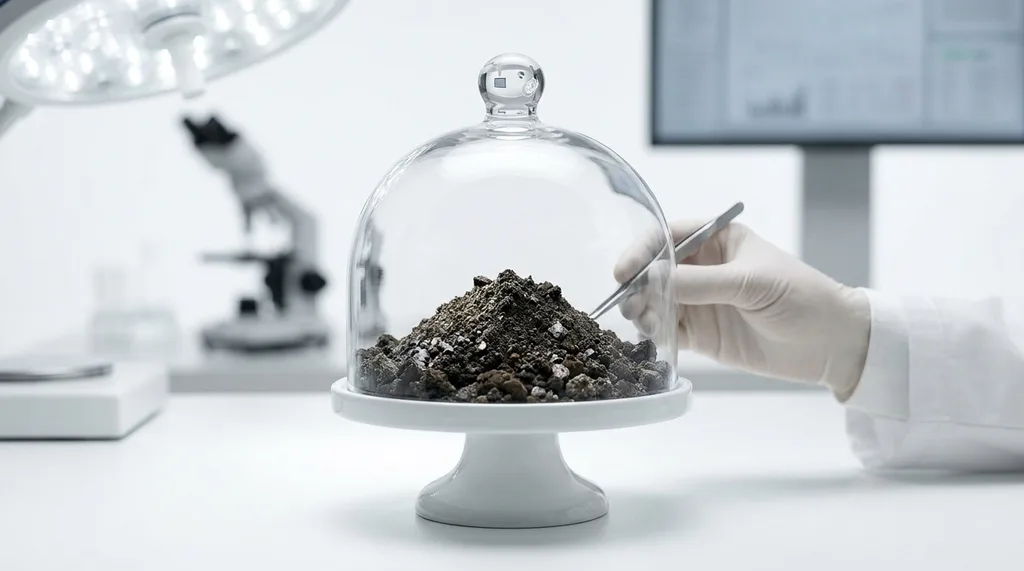
When you apply a product featuring Jeju volcanic ash, you aren't just using "dirt." You are utilizing a highly porous mineral structure that acts as a natural sebum-sink. In local communities, this volcanic geology has been used for centuries to manage skin inflammation in humid, sub-tropical climates. It is the original, low-tech version of modern lipid-delivery science.
The Hanbang Apothecary: Beyond the Souvenir Shop
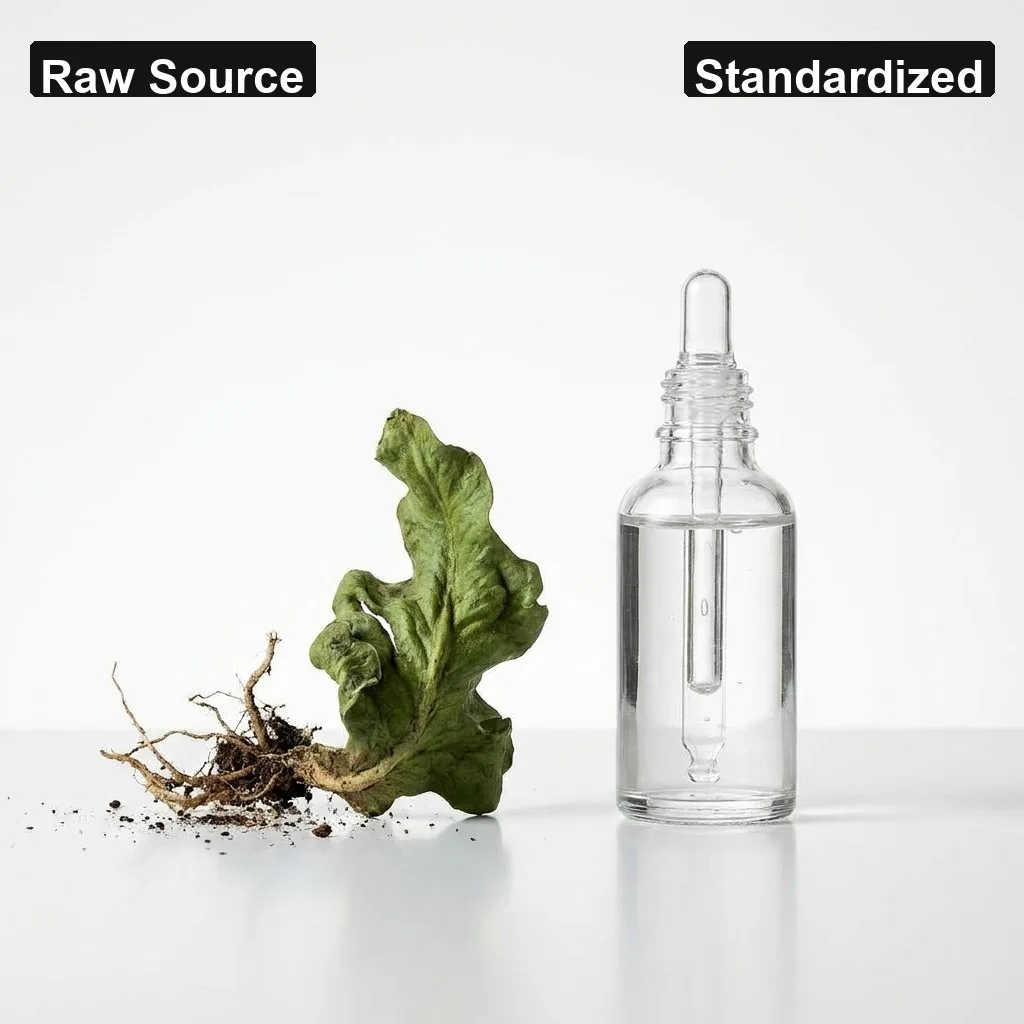
In the city of Jeonju, the hanbang (traditional Korean medicine) tradition is not a museum piece; it is a living, breathing economy. While commercial brands often simplify hanbang ingredients into a "soothing" marketing buzzword, local practitioners in these regional hubs are doing something much more sophisticated: they are "fingerprinting" botanicals.
This process involves isolating specific active compounds from roots and herbs through long-form fermentation, ensuring that each batch remains consistent. This is the bridge between the old world and the new. When a modern, high-performance serum claims to be "bio-transformed," it is often just a commercial application of the ancient apothecary techniques perfected in regions like Jeonju and Daegu.
The science of bio-transformation: Why fermentation matters →
The Geothermal Secret: Skin Culture of the Oncheon
If you want to understand the true source of the "glass skin" obsession, you must visit the oncheon (hot spring) regions like Icheon or Asan. This is not about a spa day; it is about the chemistry of water.
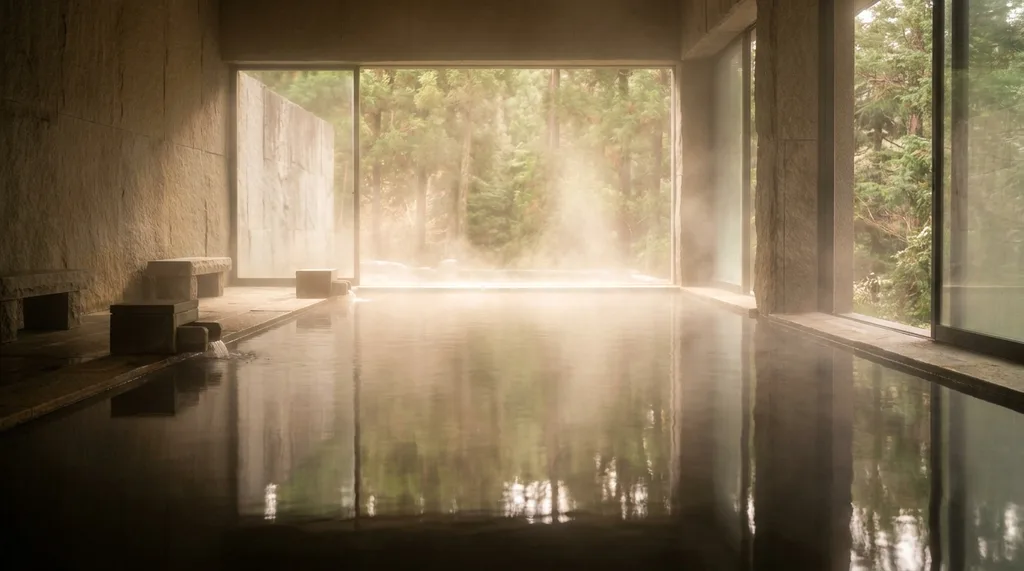
The mineral profiles of these springs—rich in sulfur, sodium bicarbonate, and silica—do more than hydrate. They alter the ionic balance of the skin's surface, softening the keratinized layer and allowing for better absorption of subsequent products. Seoul’s skincare culture is built on the layering of products, but that layering is only successful because the regional water culture taught the Korean skin how to drink.
🎵 K-Mono Lofi — Seoul Study Beats
Read deeper with Seoul lo-fi in the background — curated by K-Mono Lofi
The Reality of Commercialization
We must be honest: the industry is currently in a state of tension. The commercialization of these regional secrets has created a "standardization crisis." As brands scramble to get their products onto the shelves of the world's biggest retailers, they often strip away the very complexity that made these ingredients effective in the first place.

When you see a "Jeju" product for an impossibly low price, ask yourself: is this the ingredient that came from the volcanic soil, or is it a mass-produced chemical derivative that shares a name? The most honest products are those that provide transparency in their sourcing—those that treat the ingredient like a drug, not a decorative plant.
Actionable Wisdom: How to Shop Like a Regional Insider
You don't need a plane ticket to Korea to access this wisdom. You need a shift in your shopping filter:
- Seek "Fingerprinted" Ingredients: Look for brands that mention standardization or clinical trials for their botanical actives. If they don't provide a data-backed reason for their ingredient source, it is likely marketing, not science.
- Prioritize the Yak-san-seong (Weakly Acidic) Baseline: No matter how premium the serum, if your cleanser is stripping your pH, you are nullifying the benefits of these regional ingredients. The secret is the foundation, not the garnish.
- Read the Labels for "Fermented" vs. "Extract": Look for terms like "Galactomyces," "Bifida," or "Lactobacillus" at the top of the ingredient list. These are the modern, bioavailable successors to the traditional apothecary traditions.
⚠️ Disclaimer: The information provided here is for educational purposes based on cultural and industry analysis. Skincare is highly individual; always perform a patch test when introducing new ingredients, especially concentrated botanicals. If you have chronic skin conditions, consult a board-certified dermatologist before changing your routine.
This article may contain affiliate links — if you buy through them, we may earn a small commission at no extra cost to you.
✓ Researched and compiled using verified data as of the publication date.
 Written by Jun Mi Jung for Quiet Korea | Contact: rsl.2001.1975@gmail.com
Comments
Post a Comment