The Geography of Glow: Why Seoul Isn’t the Only Heart of K-Beauty
Walk into any Olive Young in Myeongdong at 11 PM, and you will find the world’s most intense skincare experiment in progress. It is a humid, fluorescent-lit microcosm where tourists and locals alike hunt for that specific, elusive, translucent skin texture. But if you think the secret to that glow is confined to the gleaming towers of Gangnam or the crowded streets of Seoul, you are missing the source material.
For years, the global narrative of K-Beauty has been written exclusively in the capital. But if you look toward the volcanic soil of the south, the geothermal springs of the central valleys, or the ancient herbal apothecaries of the western provinces, you find a different reality: the ingredients that power the global industry aren't just manufactured—they are harvested from landscapes that have defined Korean wellness for centuries.
Key Takeaways * The K-Beauty industry has shifted from ephemeral trends to a science-led, dermatological powerhouse where ingredient transparency is the new baseline for market entry. * Regional Korean landscapes—from volcanic islands to geothermal springs—provide the genuine, non-commercialized source material that fuels premium K-Beauty formulations. * True "glass skin" is as much a product of regional wellness philosophies and "inside-out" nutrition as it is a result of advanced topical layering.
The Myth of the Seoul-Centric Formula
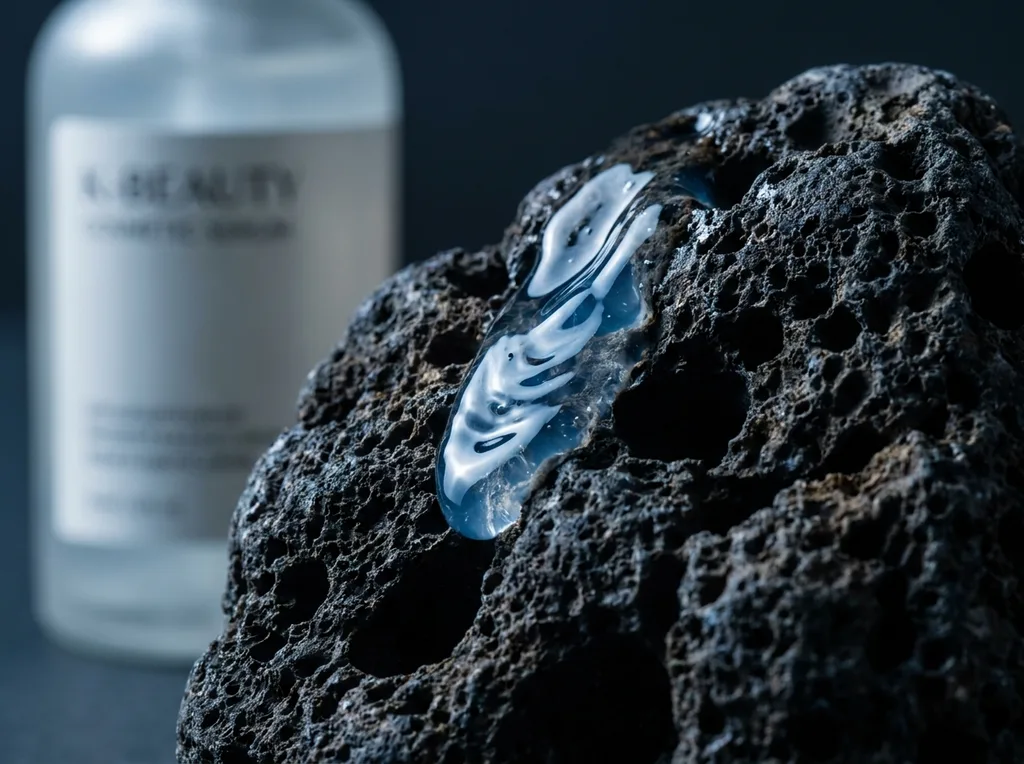
The common misconception is that the "best" products are born in the lab. While the formulation happens there, the logic of the product is often deeply regional. Take the obsession with volcanic minerals. Jeju Island, a biosphere reserve, provides the basaltic ash and mineral-rich waters that have become the bedrock of sebum-control and purification products.
When you see a mask claiming "volcanic cleansing," it is not just a marketing hook; it is an attempt to replicate the mineral profile of a specific geological zone. This isn't just about surface cleansing—it’s about the unique trace element profiles that volcanic water offers, which differ fundamentally from the filtered tap water of a mainland metropolis. The industry doesn't credit these regions enough, yet these landscapes are the unsung laboratories of the cosmetic world.
The Living Apothecary: Beyond the Bottle
While Seoul focuses on the next big surfactant or delivery system, cities like Jeonju and Daegu maintain the tradition of hanbang. In these regions, the apothecary isn't a museum; it’s a living clinic. Here, the knowledge of how to process botanical extracts—using traditional fermentation methods that preserve the bio-availability of the plant—remains an active, daily practice.
Commercial brands often struggle to replicate this. They focus on the extract, but the regional experts focus on the time. They know how long to ferment a root to ensure it doesn't oxidize, how to balance the pH, and how to extract the active compounds without denaturing them.
[K-Beauty 101] 한방 (hanbang) — Traditional Korean medicine. In a modern beauty context, this represents the integration of centuries-old botanical knowledge with modern dermatological science, prioritizing systemic balance over temporary surface-level fixes.
The Geothermal Ritual
Long before the term "skin barrier" dominated social media, Korea’s regional hot springs were the original skin-health infrastructure. Towns like Icheon and Asan have been the silent architects of Korean skin resilience for generations. Locals know that the mineral composition of these waters—rich in sulfur and sodium bicarbonate—does more than just relax the body; it modulates the skin’s lipid barrier.
🎵 K-Mono Lofi — Seoul Study Beats
Read deeper with Seoul lo-fi in the background — curated by K-Mono Lofi
The lesson here is not to buy a bottled "hot spring water" serum, but to understand the philosophy: hydration is not just about adding water to the skin. It’s about creating an environment where the skin can retain its own moisture. This is the essence of yak-san-seong (weakly acidic) skincare. By maintaining a pH that mirrors the skin’s natural mantle, you aren't just applying a product; you are protecting your own biological shield.
The Transparency Revolution
The rise of platforms like Hwahae has changed everything. It has forced the industry to move away from "magic potions" and toward ingredient-level efficacy. When consumers can see the safety rating of every component in their serum, the "marketing" layer of K-Beauty starts to peel away, leaving only the science. This is the 2025 reality: the most successful brands are those that treat their customers as peers, not as targets.
[K-Beauty 101] 내돈내산 (Naedonnaesan) — An acronym for "my money, my purchase." This is the ultimate stamp of authenticity in the Korean review culture. It signifies that the user’s opinion is untainted by sponsorship—a critical filter in a market saturated with influencer-led promotions.
Actionable Intelligence for Your Routine
If you want to move beyond the surface-level hype, start by mapping your own skin needs to these regional philosophies rather than chasing the latest viral product. 1. Audit your pH: If your skin feels tight or "squeaky" after cleansing, you are likely stripping your barrier. Switch to a yak-san-seong cleanser immediately. 2. Seek the Source: Look for products that highlight the origin of their botanical extracts. If a brand cannot tell you where their centella or volcanic ash is sourced, it’s a red flag. 3. Internalize the Process: Stop looking for a "miracle" bottle. Look for a routine that mirrors the regional wisdom: gentle cleansing, consistent barrier protection, and long-term ingredient stability.
⚠️ Disclaimer: Skincare is deeply individual. Ingredients that thrive in one climate or on one skin type may cause irritation on another. Always perform a patch test when trying new formulations, and consult with a board-certified dermatologist if you are treating specific clinical conditions like rosacea, eczema, or acne. No product can replace professional medical advice for skin health.
This article may contain affiliate links — if you buy through them, we may earn a small commission at no extra cost to you.
✓ Researched and compiled using verified data as of the publication date.
 Written by Jun Mi Jung for Quiet Korea | Contact: rsl.2001.1975@gmail.com
Comments
Post a Comment