The Botox Paradox: Why Your Quest for Perfection Might Be Sabotaging Your Face

Walk into any high-end clinic in Cheongdam-dong, and you will see the same scene: women in their late twenties and thirties, faces pristine, discussing their "maintenance" with the casual clinical detachment of someone ordering an espresso. In Seoul, Si-jeul (aesthetic procedures) are not a luxury; they are a routine, a hygiene of the self. But beneath this normalized surface lies a creeping anxiety: the fear of Naeseong (resistance).
🎵 K-Mono Lofi — Seoul Study Beats
Read deeper with Seoul lo-fi in the background — curated by K-Mono Lofi
The industry will sell you the promise of a wrinkle-free eternity, often through discounted "package" deals. Yet, the clinical truth is far more sobering. Resistance is not a common side effect of Botox; it is an immunological response to clinical mismanagement. When you treat your face like a commodity to be optimized at the lowest price, you are not just buying units—you are training your immune system to treat your beauty interventions as foreign threats.
Key Takeaways * Resistance is a rare, permanent immunological defense mechanism, not a routine side effect; it is triggered by high-dose, high-frequency over-treatment. * "Factory-style" clinics rely on aggressive sales tactics and high-volume, low-customization protocols that prioritize revenue over the long-term integrity of your facial dynamics. * The goal of aesthetic medicine must shift from "buying units" to "precision therapy"—using the minimum effective dose determined by an expert Jeonmun-ui (board-certified specialist).
The Biological Toll of the "Discount Cycle"
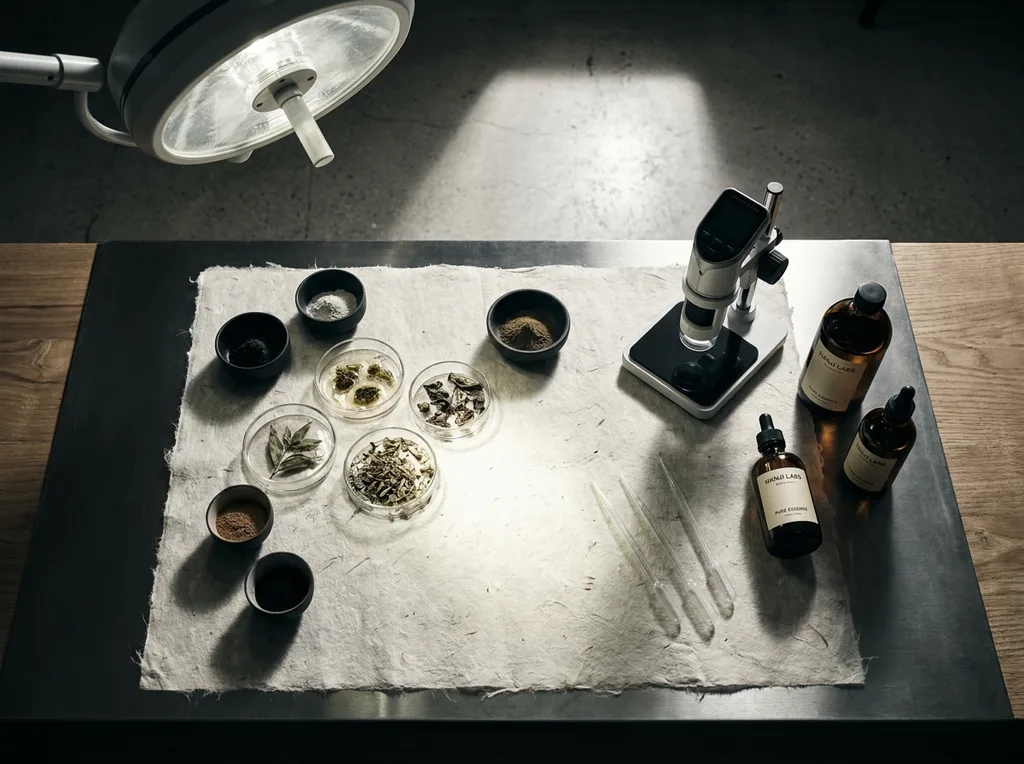
In the clinical consensus, Botulinum toxin is a neurotoxin. Your immune system is evolutionary-programmed to identify and neutralize it. When injections are administered at intervals that deny the body complete biological recovery, or when the cumulative load of complex proteins becomes too high, the body produces neutralizing antibodies. Once these antibodies take hold, they "lock" the efficacy of the formulation.
The danger lies in the current market's obsession with "factory-style" clinics (Gongjang-hyeong Pibugwa). These environments are designed for throughput. When you shop for the cheapest price, you are often entering a system where a Sangdam-siljang (consultation manager) is incentivized to sell you a "package" that may be clinically unnecessary. These bundles pressure you to return every three months, regardless of whether your muscle activity has actually returned to a level requiring intervention. By forcing your body to process the toxin prematurely, you are actively raising the probability of a permanent immune response.
Understanding the Clinical Reality
The following table summarizes the clinical perspective on safe Botox management.
| Parameter | Clinical Standard |
|---|---|
| Max Safe Limit | 400 Units per 3 months (Systemic safety) |
| Minimum Interval | 3 to 6 months (Anatomical recovery) |
| Resistance Indicator | Confirmed only after multiple failed sessions |
| Primary Trigger | High-protein/High-dose frequency |
Clinical insiders know that true resistance is rarely about the brand itself but about the frequency of exposure. While some formulations are engineered to have lower "antigenic potential"—meaning they contain fewer of the non-essential proteins that trigger the immune response—no product is immune to the effects of chronic over-exposure.
The Shift to Precision Therapy
If you are currently treating your Botox journey as a series of "transactions," you are at risk. The modern, informed patient must transition to a partnership with a Jeonmun-ui. A true expert does not ask, "How many units do you want?" They ask you to frown, smile, and speak, observing the complex dance of your facial muscles before picking up a needle.
- Move away from "Unit Shopping": Focus on the functional concern—the specific line or dynamic movement—rather than a pre-purchased quantity.
- Prioritize Anatomy over Trends: A specialist will inject the minimum effective dose, preserving your facial dynamics so you look like yourself, just "rested," rather than frozen.
- Respect the Recovery: If your muscles haven't returned to full activity at the three-month mark, do not re-inject. The "no-downtime" marketing of quick-fix clinics often obscures the reality that your tissues need time to settle between treatments.
Frequently Asked Questions
How can I tell if I've developed resistance to Botox? Resistance is rarely instantaneous. You will notice that the results last for a shorter duration with each session, until eventually, the treatment provides no visible smoothing effect at all. If you suspect this, consult a specialist to review your history—do not simply seek a higher dose, as this often accelerates the immune response.
Is it really necessary to see a board-certified specialist? Yes. Aesthetics is an anatomical science. A non-specialist or a high-volume practitioner may follow a standard "map" that works for the average face but fails to account for your unique muscle architecture, leading to drooping eyelids, asymmetrical smiles, or the "frozen" look that marks a poor procedure.
Can I fix my skin barrier if I've had too many procedures? While Botox modulates muscle activity, it does not heal the skin surface. The "glass skin" aesthetic is achieved by maintaining the lipid barrier through targeted hydration and barrier-repair ceramides. Think of Botox as the structural foundation and your skincare as the finish—they are two distinct, complementary workflows.
⚠️ Disclaimer: This article is for educational purposes only and does not constitute medical advice. Botox and other cosmetic injections are medical procedures with inherent risks. Always consult with a board-certified dermatologist regarding your medical history, potential contraindications, and individual suitability for any treatment.
⚠️ Disclaimer: This article is for informational and educational purposes only and does not constitute medical, dermatological, or financial advice. Individual results vary — consult a board-certified dermatologist or physician before starting any new skincare routine, supplement, or procedure, especially if pregnant, nursing, or taking other medications. This article may contain affiliate links — if you buy through them, we may earn a small commission at no extra cost to you.
✓ Researched and compiled using verified data as of the publication date.
 Written by Jun Mi Jung for Quiet Korea | Contact: rsl.2001.1975@gmail.com
Comments
Post a Comment