
K-Beauty Columnist's Guide to Korean Supplements for Glowing Skin
As a K-beauty columnist and expert in traditional Korean dermatology, I'm often asked about the secret to achieving radiant, glowing skin. While there are many products on the market that claim to provide these benefits, few truly deliver.
🎵 K-Mono Lofi — Seoul Study Beats
Read deeper with Seoul lo-fi in the background — curated by K-Mono Lofi

In this article, we'll delve into the world of Korean supplements and explore how they can be used to promote healthy, youthful-looking skin. We'll examine the science behind each ingredient, discuss the recommended dosages, and provide tips for incorporating them into your daily routine.
The Science Behind Korean Supplements
Korean dermatology has a long history of using natural ingredients to promote healthy skin. From ginseng to ginkgo biloba, these substances have been used for centuries to nourish and protect the skin.
One of the most popular Korean supplements is hyaluronic acid (HA). This molecule holds 1,000 times its weight in water, making it an ideal ingredient for hydrating dry skin. But how does HA actually work?
How Hyaluronic Acid Actually Works
When applied topically, HA molecules absorb into the skin and begin to attract moisture from the environment. As they diffuse through the layers of skin, they form a hydrophilic (water-loving) network that helps retain moisture and keep the skin hydrated.
But what about other Korean supplements? Let's take a closer look at some popular ingredients and their benefits for the skin:

- Ginseng: Known for its antioxidant properties, ginseng is said to improve skin elasticity and reduce fine lines.
- Ginkgo biloba: This plant extract is believed to enhance blood flow and oxygenation of the skin, promoting healthy cell growth.
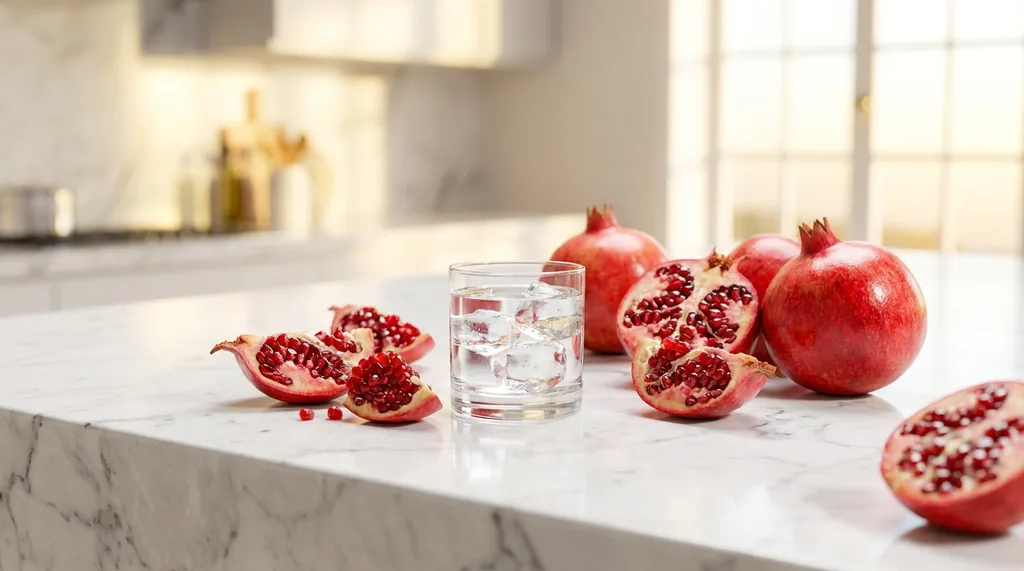
- Pomegranate extract: Rich in antioxidants, pomegranate extract is thought to protect against environmental stressors and promote collagen production.
Recommended Dosages and Safety Precautions
When it comes to supplementing with Korean ingredients, it's essential to follow the recommended dosages. Excessive consumption can lead to adverse effects or interact with other medications.
For example:
- Hyaluronic acid: 500mg-1g per day, taken orally.
- Ginseng: 400-800mg per day, taken orally.
- Ginkgo biloba: 120-240mg per day, taken orally.
Please consult with a healthcare professional before adding any supplements to your regimen.
This article may contain affiliate links — if you buy through them, we may earn a small commission at no extra cost to you.
✓ Researched and compiled using verified data as of the publication date.
 Written by Jun Mi Jung for Quiet Korea | Contact: rsl.2001.1975@gmail.com
Comments
Post a Comment