K-Idol Salon
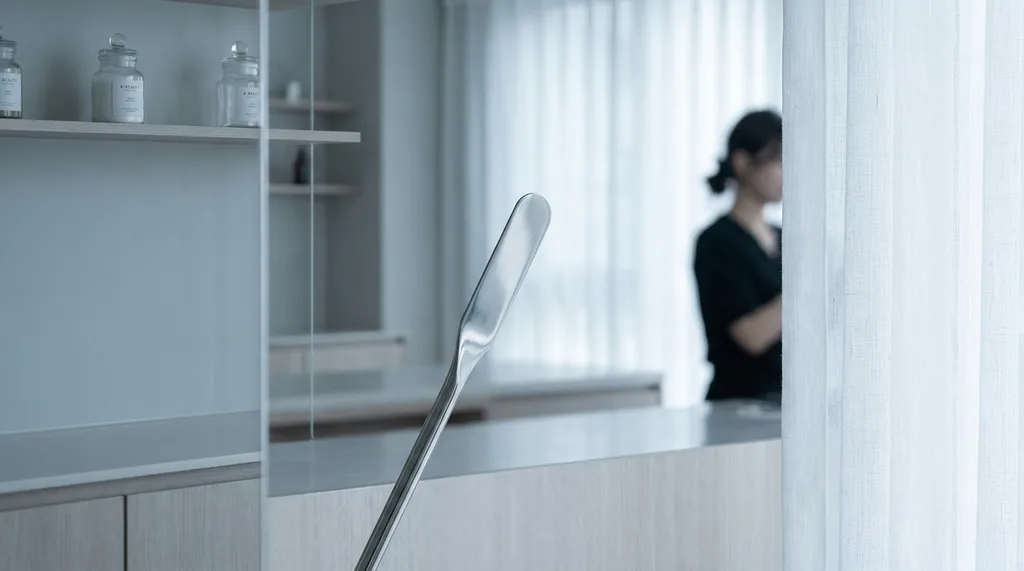
The K-pop stage is a place of extreme physics. Under the relentless, unforgiving glare of high-definition studio lights, the skin of an idol must appear flawless, poreless, and perpetually luminous. Yet, watch closely—beyond the flash, you will notice something that separates the stage-ready from the merely painted: the skin doesn't look like it’s wearing foundation. It looks like it’s breathing.
In the elite salons of Cheongdam-dong, the philosophy is simple, yet brutal: Western makeup conceals; Korean makeup reveals. If you have been struggling to replicate the "idol look" with the high-coverage products filling your vanity, you have been fighting the wrong battle. You are trying to sculpt a mask; the masters in Seoul are engineering a veil.
Key Takeaways * K-Idol makeup prioritizes "Hwajalmeok" (skin that "eats" makeup) through intensive pre-application hydration rather than heavy pigment. * The secret weapon of Cheongdam-dong is the metal spatula, a precision tool that replaces traditional sponges to create an ultra-thin, pore-filling base. * Professional artistry relies on specific tool physics—using firm pressure to press product into the skin barrier rather than sweeping it across the surface.
The Myth of the "Perfect Product"
There is a pervasive belief that the secret to the K-idol look lies in a specific, proprietary foundation or a miracle cushion. Walk into any salon in Cheongdam-dong, and you will find the reality is far more mundane—and far more labor-intensive. The artistry begins long before the first drop of pigment touches the skin.
The preparation protocol is a ritual. It is common to see artists applying toner pads across the entire face, with a focused emphasis on the glabella (the space between the eyebrows). This isn't for show; it is to manually hydrate the stratum corneum until the skin is in a state of Hwajalmeok—a state where the skin barrier is so saturated and supple that it effectively "accepts" the base, locking it into place. If you rush this phase, the product sits on the skin. If you master it, the product becomes part of the skin.
The Physics of the Metal Spatula
If there is one "secret" that has migrated from the backstage of music shows to the vanity tables of serious enthusiasts, it is the metal spatula. Western application techniques generally rely on sponges or brushes, which often trap excess product, leading to the dreaded "cakey" texture that the harsh studio lights would expose in seconds.
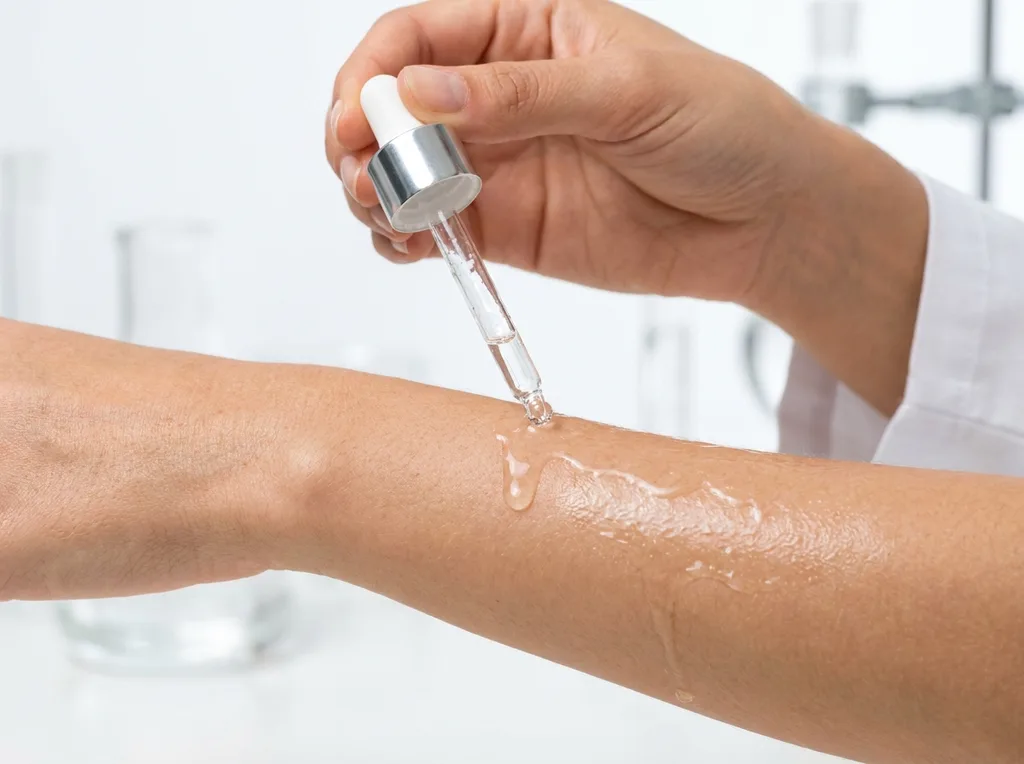
The metal spatula works on a different principle: surface tension. By scraping a microscopic amount of product onto a flat, stainless steel blade and sliding it across the face, the artist can create a layer so thin it is virtually weightless. This isn't just about efficiency; it is about filling the microscopic valleys of the pores without creating a visible film.
🎵 K-Mono Lofi — Seoul Study Beats
Read deeper with Seoul lo-fi in the background — curated by K-Mono Lofi
When you press the product into the skin with the blade, you are mimicking the density of the dermis itself. You are not painting a wall; you are smoothing a surface. This is why the skin on stage looks like glass—because, for all intents and purposes, it is.
Precision Tooling and the Idol Aesthetic
Once the base is set, the transition to color follows a strict hierarchy of tool density. Professionals use high-density synthetic brushes for pigment—not to flick it on, but to press it into the skin. When you see a soft, gradient flush on an idol’s cheeks, know that it was likely tapped into place with a small, firm brush that guarantees long-lasting coverage while maintaining the translucency of the skin underneath.
The goal is Gwajeup-sang—the "juicy" look. This is the antithesis of the 2010s Western contouring trend. Where the latter seeks to carve out bone structure through heavy shadow and highlight, the K-idol approach uses subtle, pH-reactive tints and light-reflective oils to enhance the natural volume of the face.
The Hidden Cost of the Glow
It is vital to address the "failure risk" inherent in this style. The K-idol look is not meant for a 16-hour day in humid, polluted air without rigorous maintenance. It is designed for specific environments: controlled lighting, high-stakes events, and professional oversight.
For the everyday enthusiast, trying to maintain this level of "glass skin" can lead to unexpected issues. Over-hydration, if not balanced with appropriate sebum control, can lead to the very inflammation that the Cheongdam-dong artists fight with UV sterilizers and specialized soaps. Your tools—those sponges and brushes—are likely the primary cause of breakouts if they aren't subjected to the same clinical sanitation standards observed in professional salons. If you are going to commit to this look, you must commit to the hygiene that makes it possible.
Frequently Asked Questions
Can I achieve the 'glass skin' look on acne-prone or textured skin? Yes, but the goal shifts from "hiding" texture to "blurring" it. By focusing on the Hwajalmeok (pre-makeup hydration) stage, you soften the edges of the skin, making the subsequent thin layer of foundation appear much more seamless. Avoid heavy, matte foundations which emphasize texture.
Why does my makeup look 'cakey' by midday? You are likely using too much product. The "Cheongdam-dong finish" relies on an ultra-thin layer applied with a spatula. If you use a heavy hand, the product cannot properly adhere to the skin barrier and will separate as your natural oils surface throughout the day.
Do I really need a metal spatula? While it is not strictly necessary, it is the most efficient way to achieve the thin, even layer that defines the current K-idol aesthetic. If you prefer brushes, look for a high-density, flat-topped brush and use a stippling (tapping) motion rather than a dragging one.
⚠️ Disclaimer: The information provided here is for educational purposes regarding professional makeup techniques and industry practices. Skincare is highly individualized; if you have sensitive skin, rosacea, or active acne, please consult with a board-certified dermatologist before adopting rigorous multi-step layering routines. Always perform a patch test when introducing new skincare or cosmetic products to ensure they do not cause adverse reactions.
This article may contain affiliate links — if you buy through them, we may earn a small commission at no extra cost to you.
✓ Researched and compiled using verified data as of the publication date.
 Written by Jun Mi Jung for Quiet Korea | Contact: rsl.2001.1975@gmail.com
Comments
Post a Comment