Understanding 'High-Performance' Skincare the Korean Way
on
Get link
Facebook
X
Pinterest
Email
Other Apps
# K-Beauty Columnist
As the South Korean beauty market continues to dominate global trends, understanding its nuances is essential for anyone looking to navigate this fascinating realm. The K-beauty industry has successfully combined traditional skincare wisdom with cutting-edge technology, resulting in a complex and multifaceted landscape that's both intriguing and intimidating.
🎵 K-Mono Lofi — Seoul Study Beats
Read deeper with Seoul lo-fi in the background — curated by K-Mono Lofi
### Understanding 'High-Performance' in the Context of Korean Skincare
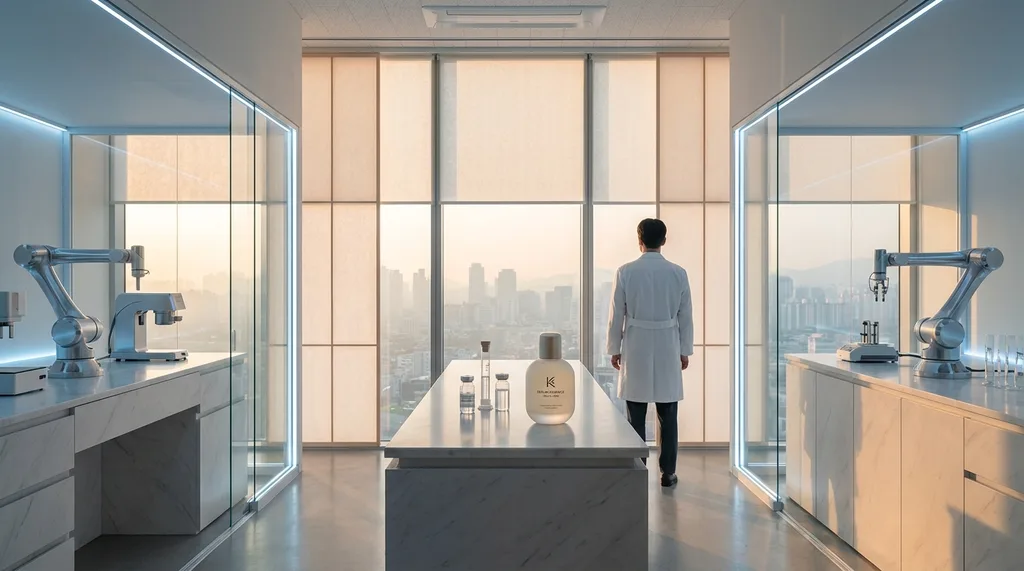
When it comes to high-performance products, there's often confusion surrounding their composition and benefits. Korean beauty enthusiasts frequently mention "high-performance" ingredients, but what does this term actually mean? It refers to products containing advanced materials or technologies that provide measurable physiological results. In other words, these are not just ordinary skincare items; they're engineered solutions designed to address specific skin concerns.
### 'Functional Ingredients': Unpacking the Regulatory Framework
The Korean government has implemented a strict regulatory framework for functional ingredients in cosmetics. These regulations categorize products into three groups: 'General Cosmetics,' 'Cosmeceuticals,' and 'Pharmaceuticals.' The most relevant category for our discussion is 'cosmeceuticals,' which includes products with proven physiological benefits. This distinction reflects the growing demand within the industry to develop beauty solutions that deliver clinical results.
### Ingredient Regulation: Beyond the Buzzwords
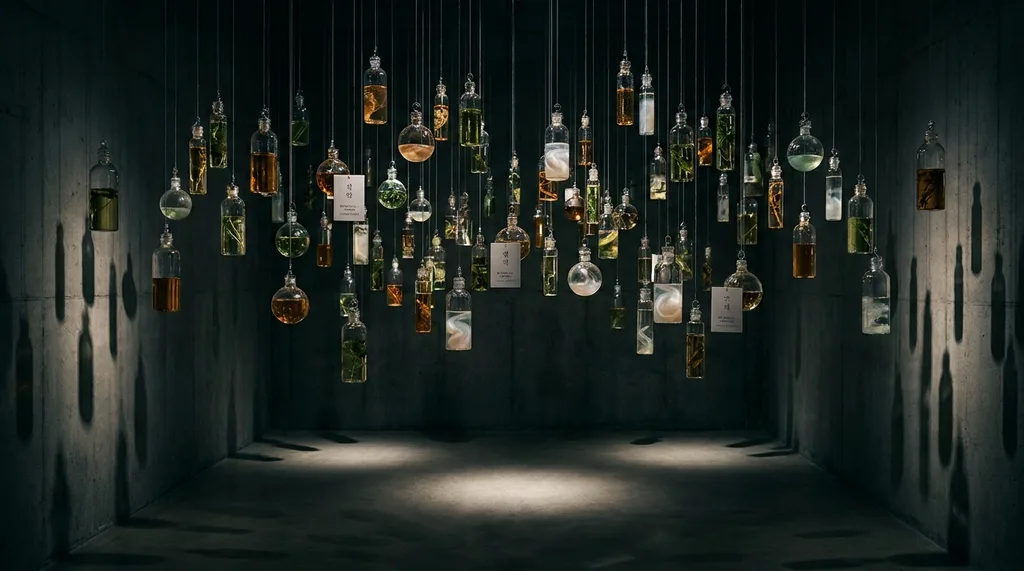
To understand what makes a product truly effective, it's crucial to delve deeper into ingredient regulation. In Korea, all cosmetic ingredients must be approved by the Ministry of Food and Drug Safety (MFDS) before they can be used in commercial products. This ensures that even functional ingredients are rigorously tested for their efficacy and safety.
### The Role of 'Glass Skin' in Defining Korean Skincare Aesthetic
The concept of 'glass skin' has taken center stage in the K-beauty world, symbolizing a flawless, luminous complexion that's both admired and aspired to. However, critics argue that this idealized beauty standard can be unhealthy and unattainable for many individuals, particularly those with skin conditions or concerns not addressed by traditional skincare methods.
### Breaking Down Seasonal Skincare in Korea
In South Korea, seasonal changes have a profound impact on the skin. Understanding how to adapt your skincare routine accordingly is crucial for maintaining healthy, vibrant skin throughout the year. For instance, dry winter months require more hydrating and nourishing products, while hot summer weather demands lighter, water-based formulas that control sebum production.
### Debunking Common Misconceptions in K-Beauty
The rapid growth of the Korean beauty market has led to numerous misconceptions about its practices and ingredients. One common myth is that all high-end skincare products from Korea are expensive or ineffective. In reality, many premium brands focus on delivering tangible results through the use of scientifically-backed functional ingredients.
### Unpacking the Concept of 'Skin Minimalism'
In recent years, there's been a growing trend towards "skin minimalism" in K-beauty circles, emphasizing the importance of simplicity and clarity in skincare routines. This approach advocates for reducing product layers to focus on essential items that address specific skin concerns, rather than piling on an excessive number of products.
### Advanced Ingredients: Beyond Hyaluronic Acid
✦ A Note from the Author
I am Korean. While investigating the medical tourism industry, I discovered its dark reality. The deeper I looked, I reached one cold conclusion: There is no such thing as a 100% perfect clinic or doctor. I created this Black Book to protect both my proud country and the people from around the world who visit it.
Initially intended as a $199 premium guide, I have decided to unlock it entirely for free to offer maximum protection. This is not a magic ticket — it is your shield. It equips you with 40-clinic data, a 7-day survival blueprint, checklists, and a nuance app with Korean defense phrases.
“I sincerely hope that my proud Korea becomes a beautiful Korea for you as well.”
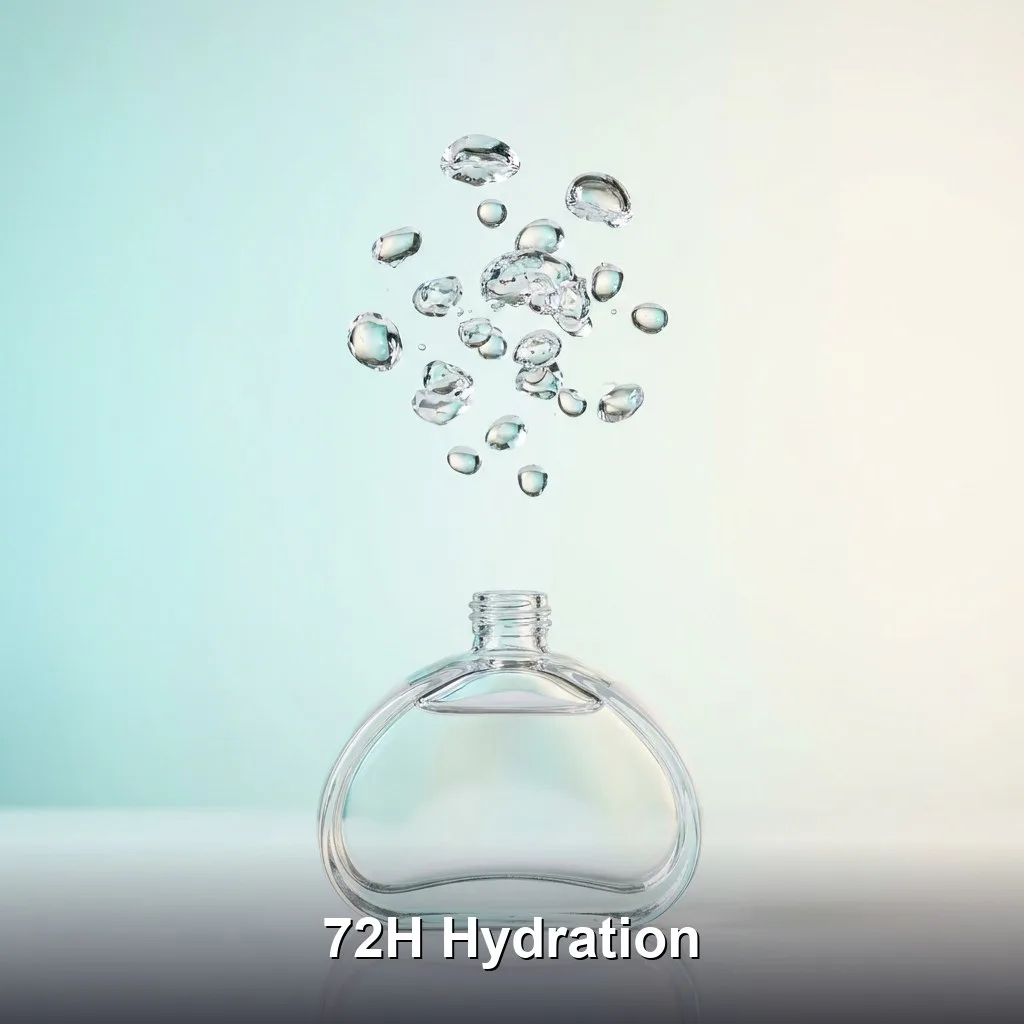
Hyaluronic acid has been a staple in Korean beauty products due to its ability to hold moisture. However, experts highlight the importance of understanding how other ingredients work alongside it for optimal hydration and barrier repair. This includes peptides, which stimulate collagen production but require precise application to avoid irritation.
### Understanding 'Functional Cosmetics' in Korea
The MFDS defines functional cosmetics as products that provide physiological benefits beyond their basic function of cleaning or moisturizing. These include items like sunscreen, which protects against UV radiation, and anti-aging creams, which contain peptides to stimulate collagen production.
### The Evolution of Korean Skincare: From Traditional to Technological Advancements
Traditional Korean skincare techniques have merged with modern technology to create a sophisticated industry that balances traditional wisdom with scientific innovation. This integration has led to the development of products like sunscreens infused with antioxidants and moisturizers containing hyaluronic acid, which not only hydrate but also provide UV protection.
### Tailored Disclaimer:
This article provides general information and should not be considered professional advice. Always consult a dermatologist before introducing new skincare products or ingredients into your routine, especially if you have sensitive skin or allergies.
Adapting your ritual: Navigating the skin's needs through Korea's distinct seasonal shifts.
✦ Partner Recommendation
💊 Find This on iHerb (Use Code QAK3042 for a discount!)
Guaranteed authentic K-Beauty actives & supplements with fast global shipping.

 Written by Jun Mi Jung for Quiet Korea | Contact: rsl.2001.1975@gmail.com
Comments
Post a Comment