[Haul & Commerce Review] K-Idol Salon
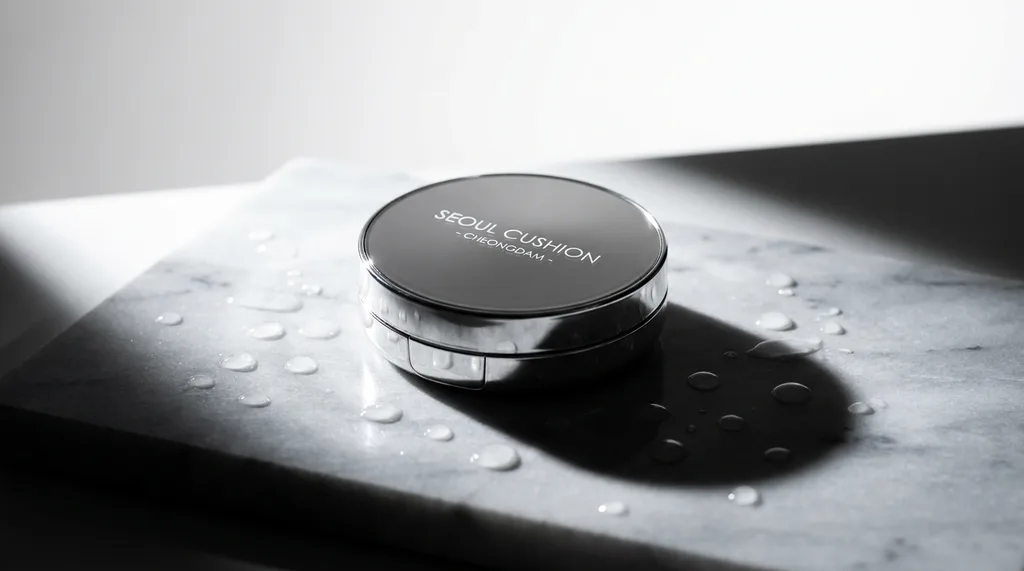
The K-Idol aesthetic is rarely what you see on the screen. To the untrained eye, it appears to be the work of a heavy filter or a thick, perfectly applied layer of high-end foundation. But step behind the curtain of a top-tier Cheongdam-dong salon, and you will find that the goal is the exact opposite of concealment. It is about temperature, texture, and a high-stakes game of "less is more."
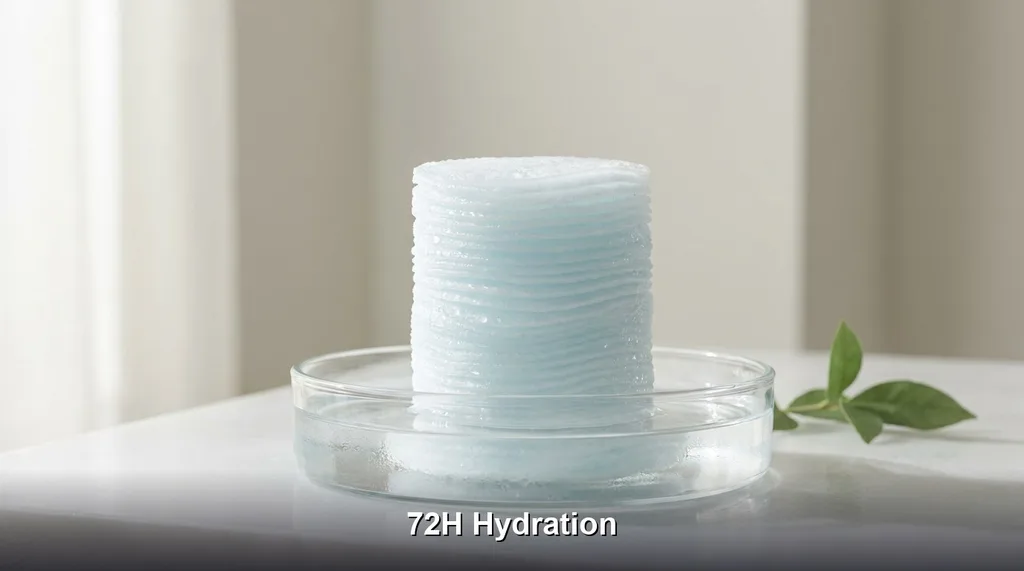
If you have already stocked your bathroom cabinet with the trending cushions and gradient tints, yet your reflection still feels like a caricature rather than a subtle transformation, you are likely missing the "Milchak-ryeok"—the Korean art of adhesion.
Key Takeaways * Korean idol makeup rejects heavy sculpting; it succeeds by lowering skin temperature to create a base that bonds to the face rather than sitting on top. * Adhesion, or Milchak-ryeok, is achieved through "thin-layering" rather than thick coverage, ensuring the product behaves like a second skin under stage lights. * The coveted Sok-gwang (inner glow) is maintained by strictly avoiding powdering the high-light zones—the apples of the cheeks and the center of the forehead—leaving them free to reflect light naturally.
The Local Intelligence: Why Korea Swears by "Temperature Management"
In Seoul, the most sought-after salon experience isn't about the color of the lipstick; it’s about the skin prep. Walk into an Olive Young in Gangnam at 10 AM, and you will see students and professionals alike buying cooling toner pads not as a skincare ritual, but as a tactical necessity.
The professional consensus in Seoul is that heat is the enemy of the base. When skin temperature rises, sebaceous glands go into overdrive, turning even the most expensive cushion foundation into an unstable, melting emulsion. By using cold-stored toner pads, makeup artists perform a "thermal reset" on the skin. This isn’t a marketing myth; it is the reason that, even under the blinding heat of stage lights, an idol’s skin looks like it was just misted with morning dew. The Hwajalmeok (makeup-friendly skin) that locals chase isn't just about hydration—it’s about preparing a canvas that is calm, cool, and receptive to the thinnest possible layers of pigment.
Strategic Light and Shadow
Western contouring, with its sharp lines and heavy bronzing, is seen by many Korean experts as too "heavy-handed" for the idol look. Instead, think of the face as a landscape of light. The Sok-gwang effect is achieved by placing light strategically—and crucially, by knowing where to leave the skin alone.
If you are using a powder to set your entire face, you are effectively "killing" the finish before it has a chance to shine. Look at the high-fashion magazines in Seoul; the apples of the cheeks and the center of the nose bridge are almost always left without powder. This allows the skin's natural moisture—or the "juicy" glow—to catch the light, creating that sought-after youthful, plumped appearance. When you need structure, look toward muted pinks or soft, neutral-toned shadows rather than dark browns. This is the secret to the "Wonyoung" nose contour: a soft, rounded shape that defines the structure without creating artificial shadows.
🎵 K-Mono Lofi — Seoul Study Beats
Read deeper with Seoul lo-fi in the background — curated by K-Mono Lofi
Accessing the Pro Standard
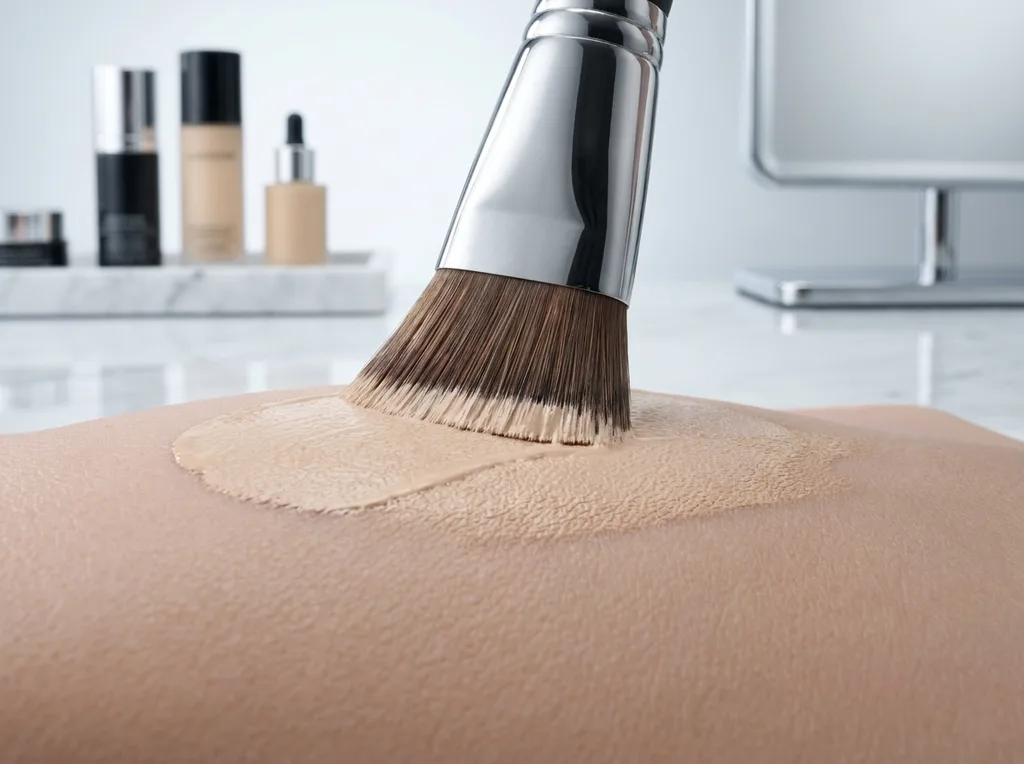
If you are currently outside of Seoul, you can replicate this by shifting your tools. Stop using the airy, porous sponges that come with many cushions. These sponges are designed to be "plump" and soft, but they often absorb the very oils that create the glow. Professionals often reach for dense, flat brushes or synthetic puffs with micro-pores; these don't drink the product, they force it into the skin.
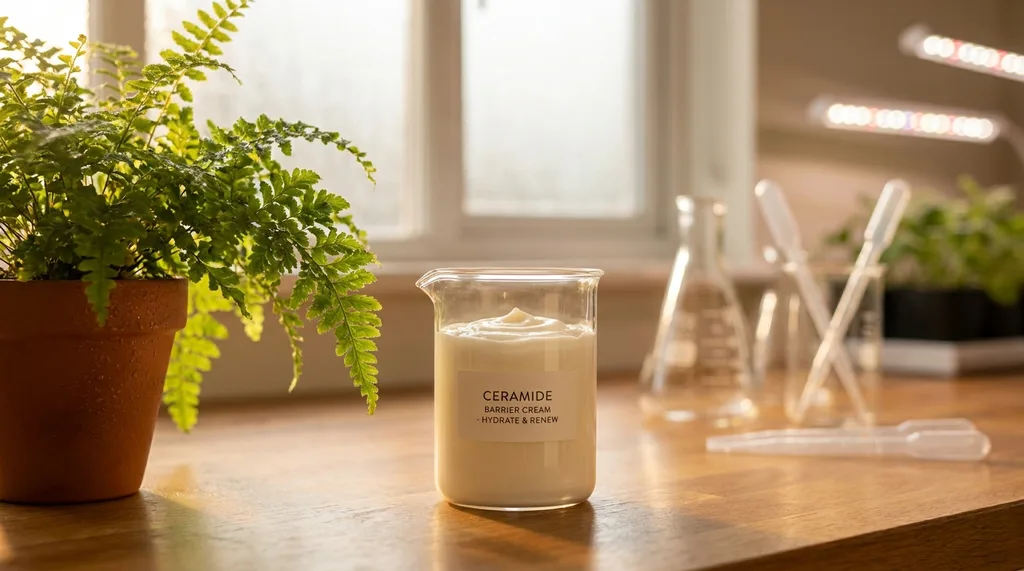
For those looking to explore these formulas, focus on ingredients that emphasize barrier health, as a compromised barrier will never reflect light effectively. Look for formulations rich in ceramides or panthenol to keep the skin "plump" enough to hold that inner glow.
The Upgrade Path
Once you have mastered the temperature reset and the thin-layering technique, you stop looking for "coverage" and start looking for "translucency." The next step is a deep dive into your skin's underlying health, using tools like the Hwahae app to ensure your products aren't causing invisible inflammation. Inflammation is the enemy of the glass-skin finish; it creates a dull, uneven texture that no foundation can fully mask.
Read next: → K-Idol Salon (Beyond the Filter) (In this deep dive, we explore how fermented ingredients modulate the skin's inflammatory cascade, repairing the barrier to make the Sok-gwang glow an inevitable result of your routine.)
⚠️ Disclaimer: The techniques mentioned here, particularly those involving temperature-sensitive products or specific application methods, should be tested gradually. If you have sensitive skin, active acne, or underlying conditions like rosacea, consult a board-certified dermatologist before introducing drastic changes to your base routine. Cosmetic products are not medical treatments; always perform a patch test when trying new formulations to avoid contact dermatitis or allergic reactions.
This article may contain affiliate links — if you buy through them, we may earn a small commission at no extra cost to you.
✓ Researched and compiled using verified data as of the publication date.
 Written by Jun Mi Jung for Quiet Korea | Contact: rsl.2001.1975@gmail.com
Comments
Post a Comment