[Dupe Finder] K-Beauty Lab: The Science of the "Cheat-Key"
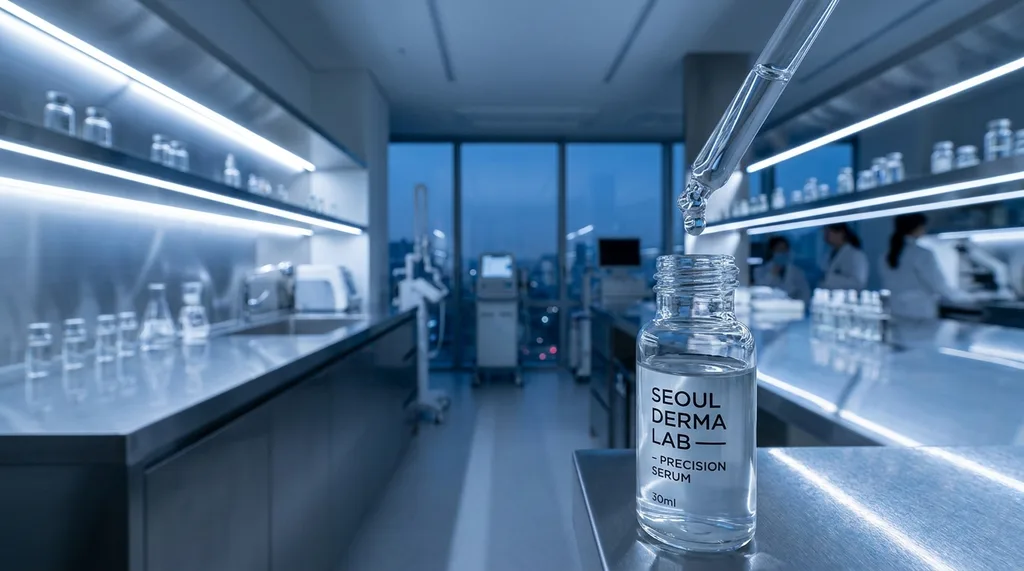
When you walk into a Seoul dermatology clinic, the shelves are rarely stocked with the flashy, heavily marketed bottles you see on global social media. Instead, they hold "functional cosmetics"—products that have survived the scrutiny of the Ministry of Food and Drug Safety (MFDS). In South Korea, the difference between a beauty product and a "functional cosmetic" (Gineungseong Hwajangpum) isn't just a label; it is a legal status backed by mandatory, IRB-approved clinical trials.
The global allure of K-Beauty often confuses "marketing innovation" with "scientific efficacy." You may believe that your favorite serum is a miracle because of its branding, but the truth is usually far more mechanical. It is found in the concentration of active ingredients and the specific layering order that allows those molecules to bypass the stratum corneum. If you are looking for results, stop chasing the newest launch and start reading the ingredient deck like a lab technician.
Key Takeaways * Regulatory Rigor: K-Beauty's effectiveness is rooted in the "Functional Cosmetic" legal framework, requiring mandatory clinical data for anti-aging and brightening claims. * Concentration as Strategy: Niacinamide and other actives operate on a sliding scale; 2-5% is for maintenance, while 10%+ is for targeted "cheat-key" correction. * The Layering Principle: Efficacy isn't just about the product; it's about the viscosity-based sequence that maximizes penetration and lipid barrier health.
How Hyaluronic Acid Actually Works

To understand why some serums cost $80 and others $8, we have to look at the physics of hydration. Hyaluronic acid (HA) is a hygroscopic molecule—it acts as a "water cage." In a sophisticated routine, Korean consumers use multiple molecular weights of HA. High-molecular-weight HA sits on the surface to prevent transepidermal water loss (TEWL), while low-molecular-weight HA penetrates deeper to plump the dermis from within.
When you buy a "prestige" serum, you are often paying for the stabilization technology—the liposomes or encapsulated delivery systems that ensure these molecules reach the target layer of your skin without oxidizing.
The Honest Comparison: Finding Your "Cheat-Key"
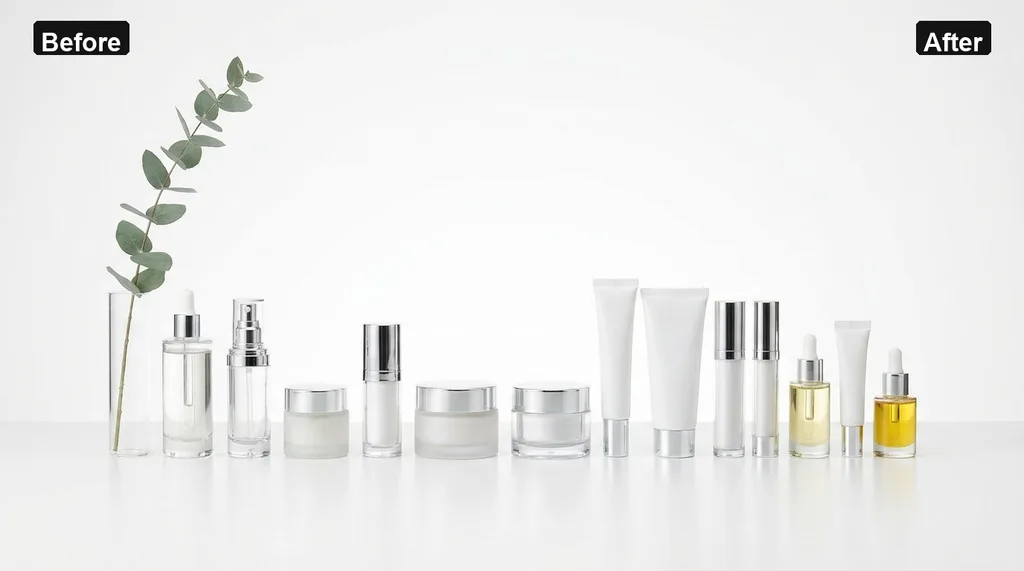
Whether you are looking for the soothing power of Eoseongcho (Heartleaf) or the brightening punch of Niacinamide, the market is saturated with options that share the same active profiles. Below is how you evaluate a "dupe" without getting burned by poor formulation stability.
💸 Budget Pick
The Basic Hydrator
Single-weight HA · Under $10
⭐ Best Value
The Clinical Serum
Multi-weight HA · $15-$25
✨ Premium
The Tech-Forward
Encapsulated HA · $60+
The "Best Value" tier usually dominates the Olive Young charts for a reason: it hits the clinical sweet spot where you get the efficacy of a delivery system without the luxury markup of a flagship brand.
🎵 K-Mono Lofi — Seoul Study Beats
Read deeper with Seoul lo-fi in the background — curated by K-Mono Lofi
The Ingredient Autopsy

Before you decide to swap your expensive serum for a budget alternative, look at the first five ingredients on the list. If the high-cost product uses a fermented base (like Galactomyces) and your potential "dupe" uses plain water or glycerin, they are not the same product. The fermentation process is a costly manufacturing step that alters the molecular weight of the ingredients.
However, if both products list the same concentration of Niacinamide or Hyaluronic Acid at the same place in the ingredient deck, the difference in price is almost certainly marketing overhead.

Final Verdict: When to Splurge vs. Save
If you are struggling with a specific "cheat-key" issue—like hyperpigmentation or compromised barrier—invest in the higher-potency, clinically validated serum. Your skin barrier is not the place for experimentation. For general maintenance and hydration, however, the "Best Value" tier is often indistinguishable from the "Premium" tier in blind trials.
⚠️ Disclaimer: This information is for educational purposes and is based on cosmetic ingredient science. It does not constitute medical advice. Always perform a patch test when introducing high-concentration actives like Niacinamide or Retinol. If you have a compromised skin barrier or chronic inflammatory conditions, consult a board-certified dermatologist before changing your routine.
This article may contain affiliate links — if you buy through them, we may earn a small commission at no extra cost to you.
✓ Researched and compiled using verified data as of the publication date.
 Written by Jun Mi Jung for Quiet Korea | Contact: rsl.2001.1975@gmail.com
Comments
Post a Comment