Beyond the Shelfie: A Real-Talk Guide to Olive Young’s Most Famous Finds
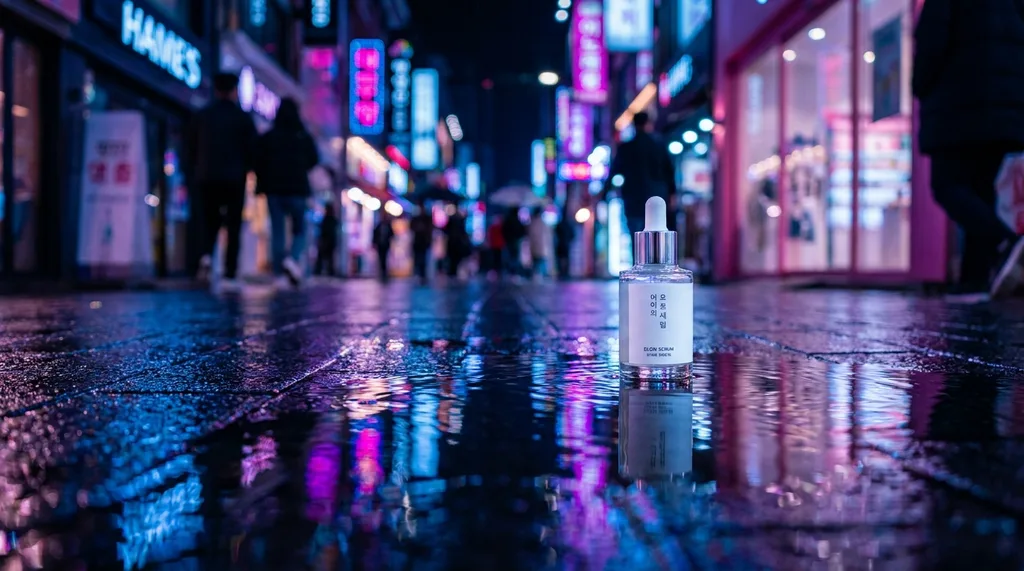
If you’ve spent any time on social media lately, you’ve likely seen the same images: shelves overflowing with Korean beauty products, stacked high in neon-lit aisles that look more like a candy store for the skin than a pharmacy. This is the Olive Young effect. But here is the secret that the viral "haul" videos don’t tell you: buying the #1 bestseller isn't a guarantee of results. In fact, for many, it’s the fastest route to a broken skin barrier.
Key Takeaways * The "Viscosity Rule" is the most overlooked secret of Korean skincare—toner must always precede cream for actual ingredient penetration. * Olive Young rankings are social proof, not universal medical advice; your skin's specific needs always override the store’s bestseller list. * Achieving "Glass Skin" is about consistent barrier maintenance, not an expensive 10-step routine that leaves your skin feeling "internal dryness" (Sok-geon-jo).
Walking into an Olive Young feels like entering the Mecca of skincare. But if you walk out with five different serums, three masks, and an exfoliating toner without a plan, you aren't building a routine—you’re building a recipe for inflammation. Let’s look past the hype and evaluate what is actually worth your shelf space.
The Reality of the "Glass Skin" Promise
The dream is Yu-ri Pi-bu (Glass Skin)—a complexion so hydrated it looks translucent. Yet, many travelers arrive in Seoul with a suitcase full of products only to find their skin turning red and flaky within a week. Why? Because the internet sells "layering" as a competition, when it should be a science.
When you apply a heavy, oil-based cream before your water-based toner, you are literally sealing the water out of your skin. This leads to Sok-geon-jo, or internal dryness, where the surface feels greasy but the deeper layers feel tight and parched.
How Hyaluronic Acid Actually Works
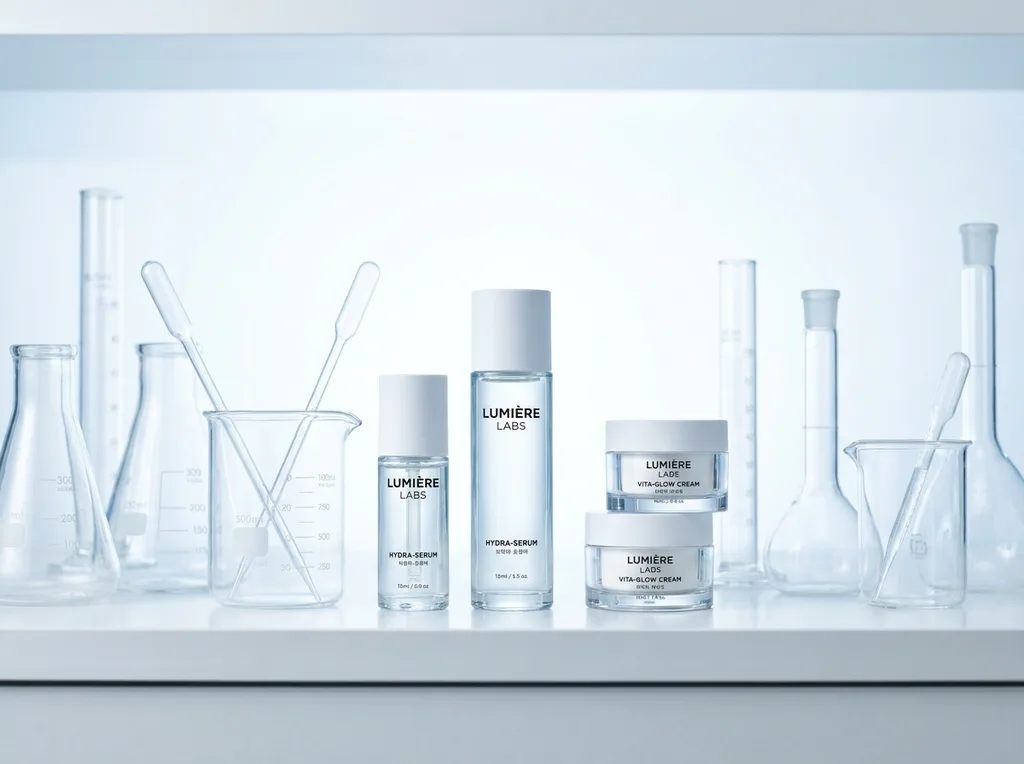
The true hero of the Korean routine is the humble serum, specifically those containing Niacinamide or Hyaluronic acid. In Seoul, these are regulated under Mi-baek Gi-neung-seong (Whitening Functional) certifications—meaning the government has actually verified the ingredient concentration.
However, a serum is only as good as its absorption time. If you layer the next product within 5 seconds of the first, you’re just wasting money. Wait 30 to 60 seconds. Let the skin "drink." It sounds like a small Kkul-tip (honey tip), but it is the difference between a radiant glow and a sticky, pilling mess.
🎵 K-Mono Lofi — Seoul Study Beats
Read deeper with Seoul lo-fi in the background — curated by K-Mono Lofi
Navigating the Hype: What to Buy vs. What to Skip
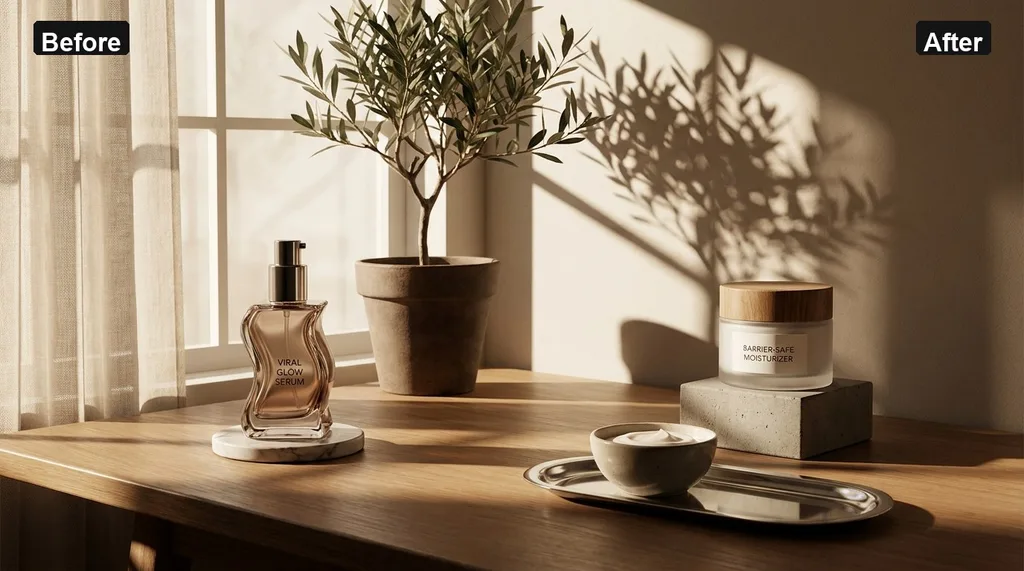
Not every bestseller is a miracle. We see products gain authority on Hwahae (the ingredient-vetting platform) not because they are expensive, but because they are safe. If you have compromised skin, look for labels mentioning "Madecassoside" or "Ceramides." If you are seeking brightening, look for 2-5% Niacinamide.
A note on honesty: If you have active acne, a highly viscous "glass skin" serum might actually clog your pores further. Sometimes, the most "viral" product is the worst choice for your specific barrier state.
Global Access and The Upgrade Path
If you cannot make it to a physical Olive Young store, you can still access these formulations globally. Many of the core ingredients found in Korean bestsellers—like Centella Asiatica or fermented rice extracts—are available through global retailers.
This article may contain affiliate links—if you buy through them, we may earn a small commission at no extra cost to you.
Read next: → The Science of the Skin Barrier: Why Less is More (In this deep dive, we explore how to actually repair your barrier instead of just covering it up.)
⚠️ Disclaimer: The information provided here is for educational purposes and reflects common practices in Korean skincare. Skincare results are highly individual. Always perform a patch test before applying new products to your face, especially if you have sensitive skin or a history of allergic reactions. If you are experiencing persistent redness, burning, or breakouts, please consult a board-certified dermatologist rather than relying on over-the-counter solutions.
✓ Researched and compiled using verified data as of the publication date.
 Written by Jun Mi Jung for Quiet Korea | Contact: rsl.2001.1975@gmail.com
Comments
Post a Comment