The Science of the "Skin Crisis": Why Korean Derma Cosmetics Are Different
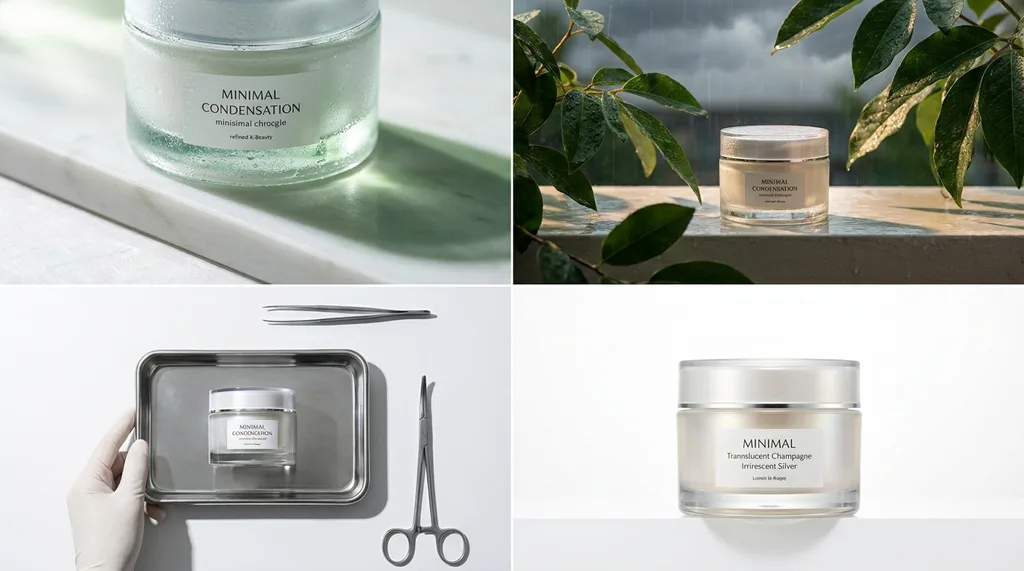
Walk into any Olive Young at 11 PM on a Tuesday, and you will see it: a woman standing in the aisle, her skin flushed, her brow furrowed, staring at a shelf of white-and-green tubes with the intensity of a surgeon evaluating a wound. She isn't looking for a luxury fragrance or a trendy pigment. She is looking for a solution to a "skin crisis"—that sudden, inexplicable moment when your complexion decides to revolt.
This is the home ground of Korean Derma Cosmetics (더마 코스메틱). For years, the global beauty industry sold us "glow" as a product of surface-level radiance. But in Seoul, the clinical consensus is different. Here, beauty is not about what you add to your skin; it is about what you remove—specifically, the environmental stress, the heat, and the inflammation that compromise the Pibu Jang-byeok (피부 장벽), or skin barrier.
When your skin suddenly flips—a state locals call Dwijibeojida—you don't need a heavy moisturizer or a harsh acid. You need a buffer. And that is where the clinical-grade calming creams, like the Dr.G R.E.D. Blemish Clear Soothing Cream, transition from simple cosmetics to essential repair tools.
The Anatomy of a Skin-Calming Staple
Why do dermatologists in Gangnam recommend these specific formulas as a baseline for patients recovering from laser procedures? The answer lies in the shift from occlusion to penetration.
Standard Western moisturizers often rely on heavy occlusives—waxes and thick oils—to seal moisture in. While this works for dry skin, it is a disaster for acne-prone skin, as it traps heat and clogs follicles. The Korean approach to Sisul-hu Care (시술 후 케어)—or post-procedure aftercare—is radically different.
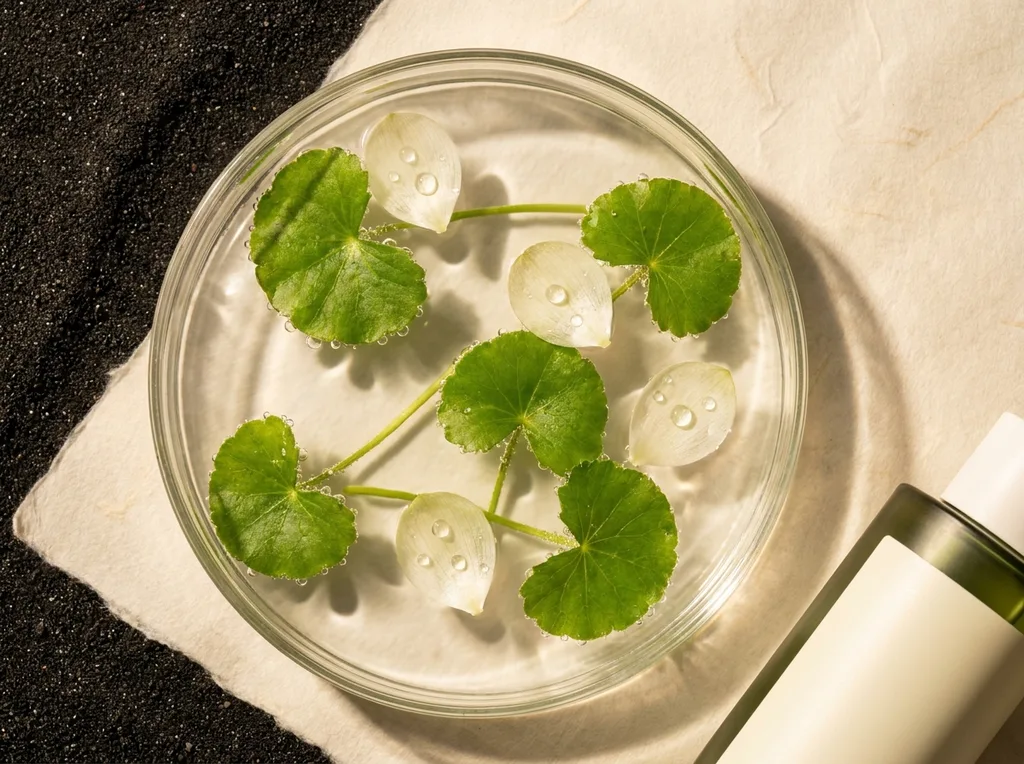
The Dr.G R.E.D. Blemish Clear Soothing Cream, for example, is engineered around the "Remove Excessive Dermal stress" philosophy. Its core isn't just a single active; it’s a 5-Cica Complex. By leveraging Centella Asiatica—or Cica (시카)—in its various derivative forms (Madecassoside, Asiaticoside, and more), the formula targets the inflammatory response at a cellular level. It doesn't just "cover" the acne; it reduces the heat that fuels the bacteria causing it.
[K-Beauty 101] Cica (시카) — Short for Centella Asiatica, a medicinal herb used for skin healing. In Korean beauty, 'Cica' is synonymous with 'trouble care.' It represents a foundational belief that nature-derived ingredients can effectively repair a compromised skin barrier.
The Secret Technique: Layering vs. Lathering
If you apply this cream like a standard lotion, you are likely missing 60% of its potential. Korean skincare is defined by Pibu-gwanli (피부관리)—a disciplined, proactive commitment to skin health. One of the most effective ways to manage Sok-geonjo (속건조), or internal dryness, is through the layering technique.
Instead of applying one thick, suffocating layer that sits on the surface, experts suggest applying thin, consecutive layers. Because the formula is gel-based and specifically designed to penetrate up to the 10th layer of the stratum corneum, this method allows the skin to drink in the hydration without the "heaviness" that often triggers acne breakouts.
The "True Combination" Strategy
The internet is flooded with "10-step routine" lists that promise perfect skin, but the reality in Seoul is far more pragmatic. The most successful skin routines rely on Jjin-johap (찐조합)—the "true combination."
Think of your soothing cream as your protective base. When paired with a targeted active serum (like a gentle retinol or a niacinamide treatment), the soothing cream acts as a "buffer." It allows you to use stronger actives without compromising your barrier. If you are experiencing a breakout, the goal is to stabilize your skin's temperature. High surface temperature is a primary trigger for acne inflammation; by keeping the skin cool and hydrated, you prevent the environment where acne thrives.
The Reality Check: Who Should Avoid This?
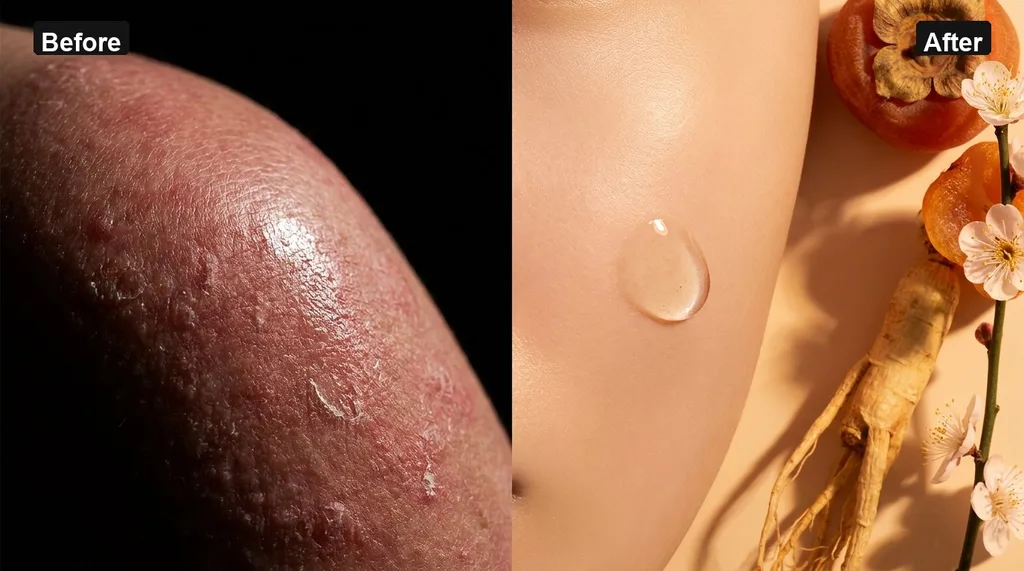
Transparency is the hallmark of trust. While these derma-grade creams are stellar for sensitive and reactive skin, they are not a cure-all. If your acne is hormonal, cystic, or driven by deep-seated internal factors, a soothing cream will manage the redness, but it will not replace a clinical-grade retinoid or professional intervention.
Furthermore, always patch-test. Even the most "hypoallergenic" ingredients can trigger an individual reaction. If you find that your skin feels "tight" or "stinging" after application, your barrier may be too compromised for the current active load, and it may be time to scale back to a plain, fragrance-free humectant until the inflammation subsides.
If you've been searching for a way to bridge the gap between heavy, clogging moisturizers and ineffective, thin toners, it's time to explore the derma-grade formulations that Seoul's clinicians use daily.
⚠️ Disclaimer: The information provided here is for educational purposes and reflects common practices within the Korean dermatology and skincare community. It is not medical advice. If you are suffering from severe acne, rosacea, or other skin conditions, please consult a board-certified dermatologist before beginning any new treatment or routine. Always perform a patch test on your inner arm 24 hours before applying any new product to your face.
This article may contain affiliate links — if you buy through them, we may earn a small commission at no extra cost to you.
✓ Researched and compiled using verified data as of the publication date.
 Written by Jun Mi Jung for Quiet Korea | Contact: rsl.2001.1975@gmail.com
Comments
Post a Comment