The Science of Ancient Rituals: Unlocking Korea’s Beauty Heritage
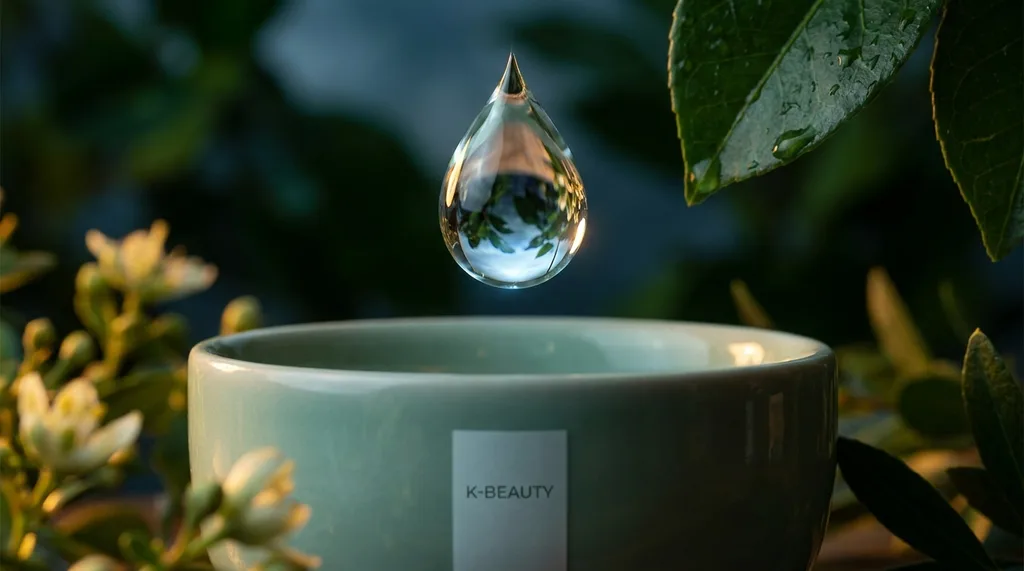
Walk into a Seoul apartment at dusk, and you might see a ritual that hasn’t changed in centuries. It’s not the frantic application of twelve different serums, nor a high-tech laser treatment. It is the simple, rhythmic act of rinsing rice, the milky water saved in a basin, and the patient splashing of that water onto the skin. To the outside observer, this looks like a quaint folk remedy. To the chemist, it is a targeted delivery of inositol, ferulic acid, and B vitamins.
This is the great tension of K-Beauty: the misconception that it is a modern marketing invention. In reality, the "Glass Skin" phenomenon is the aesthetic outcome of a deep, ancient, and highly empirical tradition.
The Empirical Roots of Tradition
The foundation of Korean skincare isn't found in a laboratory in Gangnam, but in the Donguibogam—the 17th-century medical encyclopedia that codified centuries of botanical wisdom. When we talk about the "traditional" recipes passed down through generations, we aren't talking about superstitions. We are talking about observational medicine.
Korean women didn't use mung bean (nokdu) or rice water (ssal-tteut-mul) because they were told to; they used them because they saw the jakyoung—the functional action. They saw the yocheol (texture irregularities) soften. They saw the redness recede. They were performing clinical trials in their own homes for hundreds of years.
Modern cosmetic science has simply provided the vocabulary for what our grandmothers already knew. Through transcriptomics and data mining, researchers have mapped the ingredients found in the Donguibogam to specific cellular pathways. Of the 52 key herbal candidates identified, 46 have been validated by modern clinical studies. We are not "discovering" these benefits; we are finally documenting them.
The Rituals That Defined an Industry
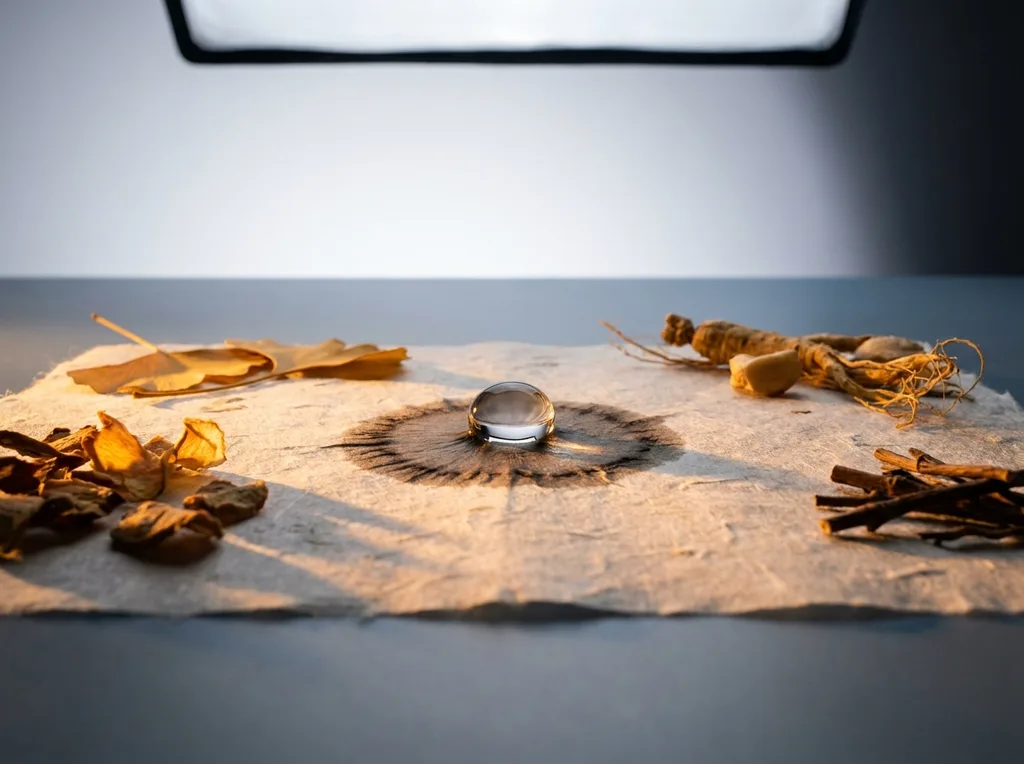
The magic of these ancient recipes lies in their simplicity and their specific focus on the skin barrier. While Western skincare long obsessed with stripping the skin "clean," Korean rituals focused on the Byeonjeung—the symptom differentiation—treating the skin as a living, shifting organ that requires balance, not assault.
Rice Water (Ssal-tteut-mul)
This is the most misunderstood ritual in the modern canon. Content creators often tout it as a miracle, but the science is far more specific. Rice water is rich in inositol, a carbohydrate that improves elasticity and reduces the appearance of pores. But here is what the influencers miss: if you let the water sit too long, it ferments. While fermentation is the bedrock of modern K-Beauty, doing it in an unsterilized kitchen environment introduces variables that can cause irritation. The correct application is a fresh rinse, used as a final toner step, not a soaking solution.
Mung Bean (Nokdu)
Before the modern cleanser, there was nokdu. Ground into a fine powder, it acts as a mild, saponin-rich surfactant. It doesn't just clear the surface; it provides a gentle, enzymatic exfoliation that respects the acid mantle. It remains the gold standard for those dealing with yocheol (skin texture issues), yet it is often ignored in favor of harsh chemical peels.
Mugwort (Ssuk)
In Korea, mugwort is not just an ingredient; it is a cultural icon. Found in food, medicine, and myth, its beauty application centers on its anti-inflammatory profile, primarily due to azulene and flavonoids. Unlike most "natural" trends, the clinical evidence for mugwort as a soothing agent for reactive skin is robust. It is the original "cica" before cica became a household name.
The Modern Synthesis: Proceed with Caution
The industry has moved toward a "holistic-scientific" hybrid, where these traditional ingredients are refined through bio-transformation to ensure safety and potency. But as a reader, you must apply the same skepticism you would to a luxury brand.
The greatest risk in DIY traditional beauty is the lack of standardization. A formulation in a textbook or a blog post cannot account for the unique microbiome of your skin. If you are going to incorporate these rituals, treat them as boosters, not as a replacement for your core routine.
⚠️ Disclaimer: Traditional beauty rituals, including the use of raw plant materials, can carry risks of microbial contamination or allergic reaction. Always perform a patch test behind the ear for 24 hours before applying any DIY mixture to your face. If you have active acne, eczema, or compromised skin, consult a board-certified dermatologist before introducing non-stabilized traditional ingredients into your routine. These practices are intended for cosmetic support and do not replace medical-grade treatments for diagnosed skin conditions.
This article may contain affiliate links — if you buy through them, we may earn a small commission at no extra cost to you.
✓ Researched and compiled using verified data as of the publication date.
 Written by Jun Mi Jung for Quiet Korea | Contact: rsl.2001.1975@gmail.com
Comments
Post a Comment