The Science of Ancient Glow: 17 Traditional Rituals Reimagined
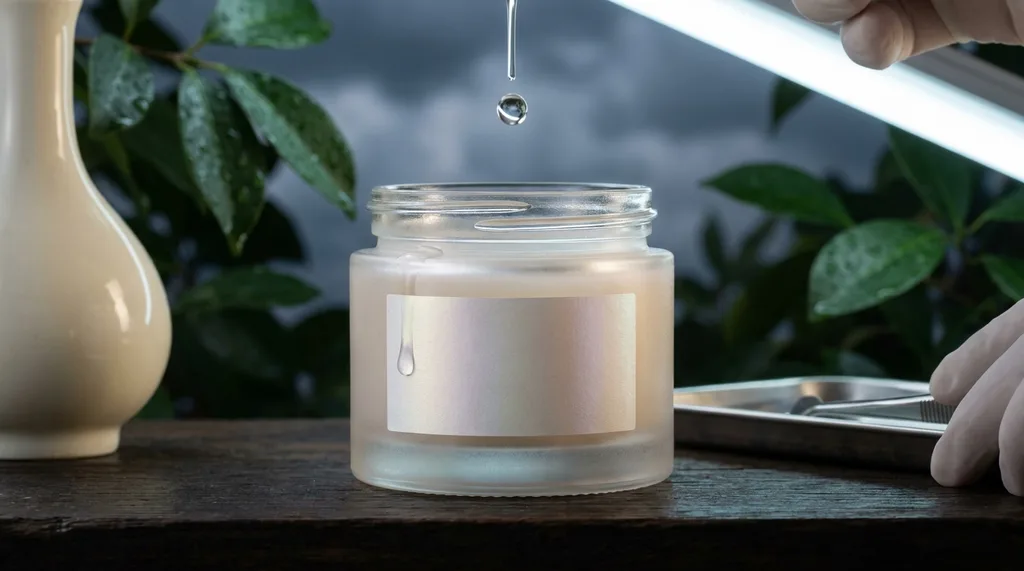
Walk into any high-end clinic in Gangnam, and you will notice a curious contradiction. The walls are adorned with state-of-the-art laser arrays and advertisements for the latest PDRN cellular regenerators, yet the consultation rooms often hold jars of fermented grain extracts and refined herbal pastes. This is the duality of Korean skincare: a relentless pursuit of the future built on a bedrock of centuries-old empirical wisdom.

For years, global beauty enthusiasts have chased the "glass skin" aesthetic, often assuming it is the byproduct of a ten-step routine packed with expensive, synthetic actives. They miss the crack in that belief: the grandmother who rinsed her face with the cloudy water leftover from cooking rice—the ssaldteumul—was performing molecular science long before the terms were coined. She was utilizing inositol, ferulic acid, and B vitamins to brighten and repair the skin barrier. She was not superstitious; she was a practitioner of a ritual that has since been validated by modern transcriptome analysis.
Why do Korean women in their 40s often maintain a resilience in their skin that products alone cannot explain? The answer lies in the Donguibogam, a 17th-century medical encyclopedia that acts as our database for ingredient efficacy. Researchers are currently mining these classical texts to identify the botanical candidates that actually move the needle on skin health.
Beyond the Folk Myth: The Validation of Tradition
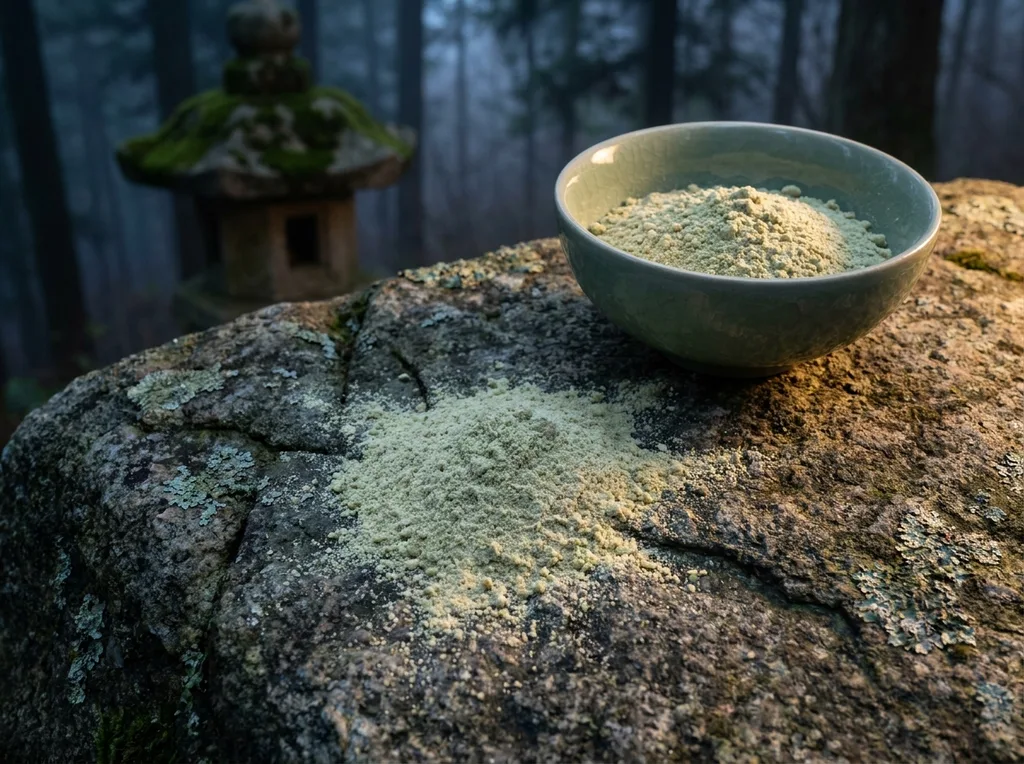
The industry in Seoul has moved toward a "holistic-scientific" hybrid model. We no longer treat traditional beauty rituals as mere folklore; we treat them as biological hypotheses that have been put to the test. When you see nokdu (mung bean) being marketed in a premium exfoliating mask today, it isn't a nostalgic reach back to the past. It is an acknowledgment that the saponins and proteins found within the bean are biologically active agents that support the skin barrier.
The shift is evident in how we view the skin. In Korea, we don't just ask, "Is this effective?" we ask, "How does this harmonize with the internal state?" This is Byeonjeung—the process of symptom differentiation. It suggests that a single ingredient, no matter how powerful, will fail if it does not address the specific constitutional needs of the skin at that moment.
How Traditional Ingredients Actually Function
The efficacy of these rituals is often rooted in fermentation. Consider makgeolli, the unfiltered rice wine that serves as a traditional skin toner. The fermentation process breaks down organic acids, creating AHA-like properties that exfoliate, while simultaneously producing probiotics that reinforce the microbiome. This isn't just "glow-getting"—it is the stabilization of the skin’s pH and lipid barrier.
| Ingredient | Primary Active | Biological Function | Modern Validation |
|---|---|---|---|
| Rice Water | Inositol | Barrier Repair | Lipid peroxidative inhibition |
| Mung Bean | Saponins | Clarification | Sebum-regulating surfactant |
| Mugwort | Azulene | Anti-inflammatory | Transcriptome-level soothing |
| Camellia Oil | Oleic Acid | Barrier Sebum-Match | Transepidermal water loss reduction |
The science confirms what our grandmothers observed: the most effective beauty interventions are often those that work with the skin’s natural architecture rather than against it.
The Modern Routine: Less is More
The most critical mistake the modern consumer makes is the "over-application trap." In our desire to maximize results, we often layer too many conflicting actives, effectively drowning the skin barrier.
Korean dermatologists now advocate for a simplified, evidence-based approach. The focus has shifted from aggressive chemical peels toward what we call "slow-aging"—a strategy that prioritizes hydration and barrier integrity over immediate, temporary surface correction. If you are struggling with yocheol (skin texture irregularities), the answer is rarely a stronger acid; it is almost always a consistent, gentle focus on hydration and cellular turnover support.

A Practical Guide to Sustainable Skin Health
If you are looking to integrate these lessons into your own routine, start by looking for products that utilize bio-transformed ingredients—those that have been fermented or enzymatically processed to increase bioavailability. Look for labels that prioritize Beta-Sitosterol for inflammation or dual-molecular weight Hyaluronic Acid to ensure multi-layer penetration.
The truth is simple: your skin is an organ, not a canvas for aggressive experimentation. It responds to consistency, not to the latest viral sensation. When you choose a product, look past the aesthetic, check the ingredient list for validation, and remember that the best innovations are often the ones that have been quietly working for centuries.
⚠️ Disclaimer: Traditional skincare recipes, including homemade applications of rice water or herbal extracts, are intended as supplementary beauty rituals. They are not curative and should not replace professional dermatological treatment for acne, eczema, or other skin conditions. Always perform a patch test before introducing any new ingredient to your skin, especially if you have a history of allergies or sensitive skin. If you are pregnant, nursing, or using prescription topical medications, consult with a dermatologist before adopting new skincare routines.
This article may contain affiliate links — if you buy through them, we may earn a small commission at no extra cost to you.
✓ Researched and compiled using verified data as of the publication date.
 Written by Jun Mi Jung for Quiet Korea | Contact: rsl.2001.1975@gmail.com
Comments
Post a Comment