Beyond the Rice Water Myth: The Real Science of Korea’s Ancient Skincare Rituals
Beyond the Rice Water Myth: The Real Science of Korea’s Ancient Skincare Rituals
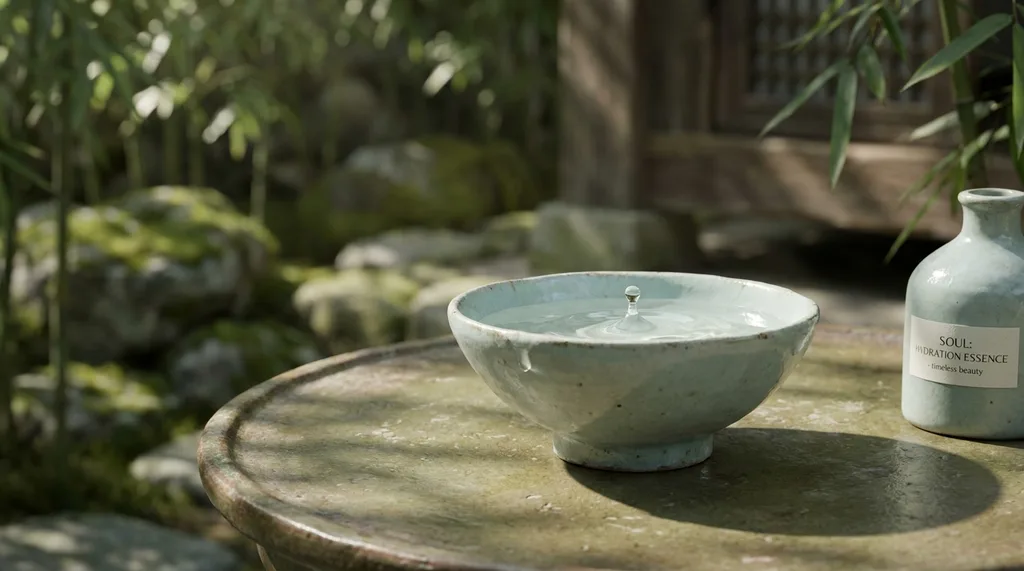
Walk into any high-end dermatology clinic in Seoul, and you will notice a striking contrast: the sleek, white-tiled clinical rooms housing state-of-the-art lasers are often decorated with subtle, earthy elements—a piece of celadon, a sprig of mugwort in a brass vase, or the faint, clean scent of medicinal herbs. This is not mere interior design. It is the visual manifesto of modern K-Beauty, a philosophy that balances aggressive, high-tech intervention with a deep, ancestral respect for biological harmony.
Many global enthusiasts believe that traditional Korean beauty is about DIY kitchen remedies—dabbing raw rice water on your cheeks or slapping mashed mung beans onto your pores. But if you ask a board-certified dermatologist in Gangnam, they will tell you the truth: raw DIY is often a recipe for inflammation. The true "secret" of Korean heritage skincare isn't the raw ingredients themselves; it’s the bio-transformation of those ingredients through fermentation and extraction, a practice that has evolved from ancient folk wisdom into the backbone of the $300 billion global skincare industry.
Key Takeaways * Fermentation is the Bridge: Traditional ingredients like rice, mung bean, and mugwort are only clinically effective when bio-transformed through fermentation, which reduces molecule size for deep skin penetration. * The Risk of "Raw": Applying untreated kitchen ingredients (like raw rice water) poses a high risk of microbial contamination and barrier disruption due to inconsistent pH levels. * Clinical Synthesis: Modern Korean dermatology uses "Yakchim" (herbal-infused delivery) to merge ancient botanical efficacy with the safety standards of modern medicine.
The Chemistry of Tradition: Why Your Grandmother Was Right
For centuries, Korean women used ssaldteumul (rice water) as a daily rinse. While YouTube tutorials often frame this as a "natural, free hack," the molecular reality is more nuanced. When you wash rice at home, you aren't just getting vitamins; you are creating a fluid that can easily harbor bacteria if left to sit in a warm bathroom.
However, when this same rice water undergoes fermentation by Aspergillus oryzae or lactic acid bacteria in a controlled lab, the chemistry changes entirely. The fermentation process lowers the pH to a level that mimics the skin’s natural acid mantle and breaks down large carbohydrates into peptides and kojic acid—a potent tyrosinase inhibitor that targets hyperpigmentation. The grandmother who used rice water was not being superstitious; she was performing an early form of empirical science. Modern skincare simply standardized that process to ensure the product inside your bottle is potent, stable, and sterile.
[K-Beauty 101] 쌀뜨물 (ssaldteumul) — The milky water from rinsing rice. Historically used for its brightening properties, we now know it provides ferulic acid and allantoin. It is the classic example of how traditional wisdom predates modern chemical nomenclature.
The Evolution of the "Clean" Mask
If rice water is for brightening, 녹두 (mung bean) is the historical gold standard for clarifying. In pre-industrial Korea, ground mung bean powder was the original soap. Today, clinical research has validated this: fermented mung bean broth has been shown to upregulate aquaporin-3 expression, effectively helping the skin hold onto moisture.
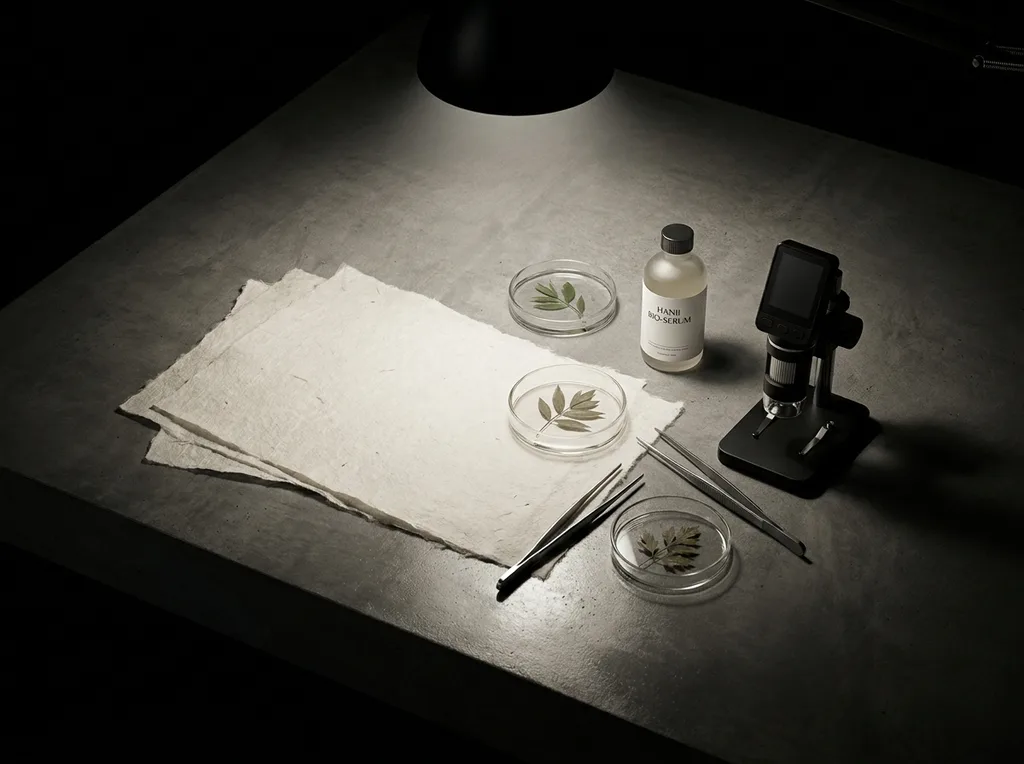
But here is where the divide between "folk remedy" and "clinical skincare" becomes dangerous. Raw mung bean powder is physically abrasive; it can create micro-tears in the stratum corneum, compromising the lipid barrier. Furthermore, DIY masks lack preservatives. In the damp environment of a bathroom, a raw mung bean mask can become a petri dish for mold within hours. Professional formulations utilize standardized extracts, stripping away the coarse particulate matter while concentrating the saponins that do the actual work of cleansing.
Bridging the Gap: The Clinical View
The current gold standard in Seoul is the integration of these botanical actives into systematic delivery models. Practices like Yakchim (herbal acupuncture) have moved from traditional medicine clinics into the wider beauty sphere, influencing how brands formulate their serums. The goal is to provide a systemic therapeutic effect rather than just a surface-level coat of moisture.
This is why ingredients like 어성초 (Houttuynia cordata) have become global sensations. Unlike trendy, volatile actives, Eoseongcho possesses a robust clinical profile as an anti-inflammatory agent. When paired with panthenol or ceramides, it creates a hybrid formula: the botanical "soul" of traditional medicine, combined with the "body" of modern chemical engineering.
🎵 K-Mono Lofi — Seoul Study Beats
Read deeper with Seoul lo-fi in the background — curated by K-Mono Lofi
Integrating Ancient Wisdom into Your Routine
The transition from a raw, DIY-obsessed routine to a clinically-sound heritage routine is about trading chaos for control. You don't need to grind mung beans in your kitchen to get the brightening benefits of 장희빈미안법 (Janghuibin Mianbeop); you simply need to identify the active compounds—kojic acid, saponins, and flavonoids—and choose products where these are scientifically stabilized.
Frequently Asked Questions
Can I still use rice water at home? It is generally not recommended by dermatologists due to the high risk of microbial growth. If you are determined to use it, do not store it; use it immediately after washing the rice, and follow with a toner to ensure your skin’s pH is properly balanced.
Are fermented ingredients better for sensitive skin? Fermentation generally increases the bioavailability of nutrients, but it can sometimes create new proteins that may trigger reactions in extremely reactive skin. Always perform a patch test on your inner arm for 24 hours before applying to your face.
How do I know if a product is 'Authentic' Hanbang? Look for the inclusion of standardized plant extracts rather than just "botanical powders." If the ingredient list includes terms like "ferment filtrate" or "hydrolyzed extract," it suggests the brand is investing in the bio-transformation process that makes these ingredients effective.
⚠️ Disclaimer: The information provided here is for educational purposes and does not constitute medical advice. Traditional beauty practices vary significantly in safety and efficacy. Always perform a patch test for new ingredients and consult with a board-certified dermatologist before introducing new regimens, especially if you are managing conditions like rosacea, eczema, or active acne. Supplements and topical herbals can interact with medications; seek professional guidance before beginning any intensive skin-health program.
⚠️ Disclaimer: This article is for informational and educational purposes only and does not constitute medical, dermatological, or financial advice. Individual results vary — consult a board-certified dermatologist or physician before starting any new skincare routine, supplement, or procedure, especially if pregnant, nursing, or taking other medications. This article may contain affiliate links — if you buy through them, we may earn a small commission at no extra cost to you.
✓ Researched and compiled using verified data as of the publication date.
 Written by Jun Mi Jung for Quiet Korea | Contact: rsl.2001.1975@gmail.com