Beyond the Folklore: The Clinical Reality of Traditional Korean Beauty Rituals
Beyond the Folklore: The Clinical Reality of Traditional Korean Beauty Rituals
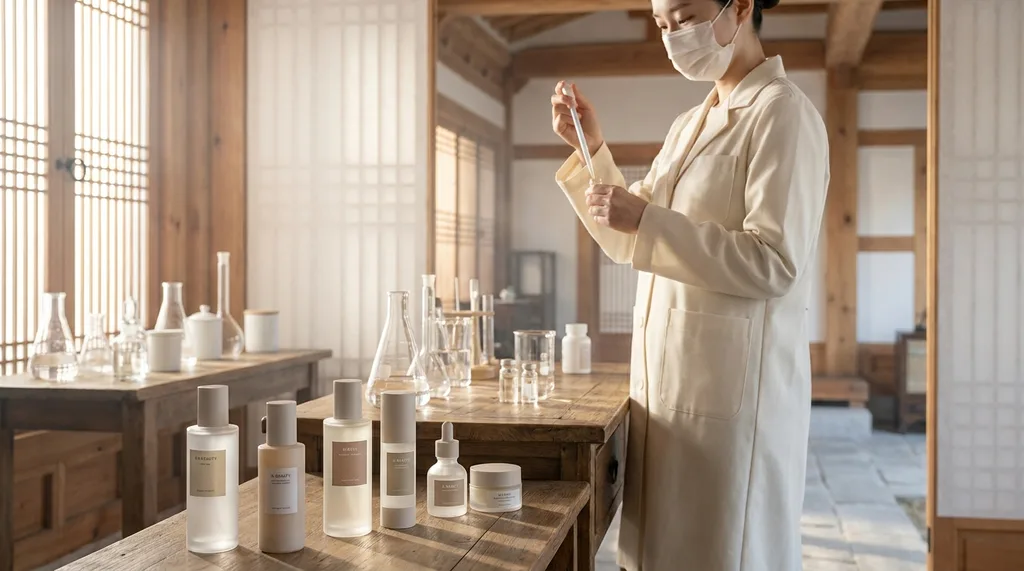
Why do Korean women in their 40s often exhibit a skin texture that seems to defy the passage of time, even when the products they use are remarkably affordable? The internet is saturated with "rice water hack" videos and "DIY mask" tutorials, but these surface-level glimpses miss the most vital point. The grandmother who spent her morning rinsing rice wasn't engaging in superstition; she was practicing an early form of empirical science. The secret isn't just the ingredient—it’s the transformative bio-chemistry that occurs during the process.
- The Chemistry of the Ancient Routine
- The Evolution of Medicinal Botanicals
- The Risky Reality of the "Natural" Trap
- Frequently Asked Questions
- Can I use traditional herbal ingredients like mugwort with active acids?
- How long does it take to see results from fermented traditional ingredients?
- Are all 'Hanbang' (traditional medicine) products effective?
- 💊 Find This on iHerb (Use Code QAK3042 for a discount!)
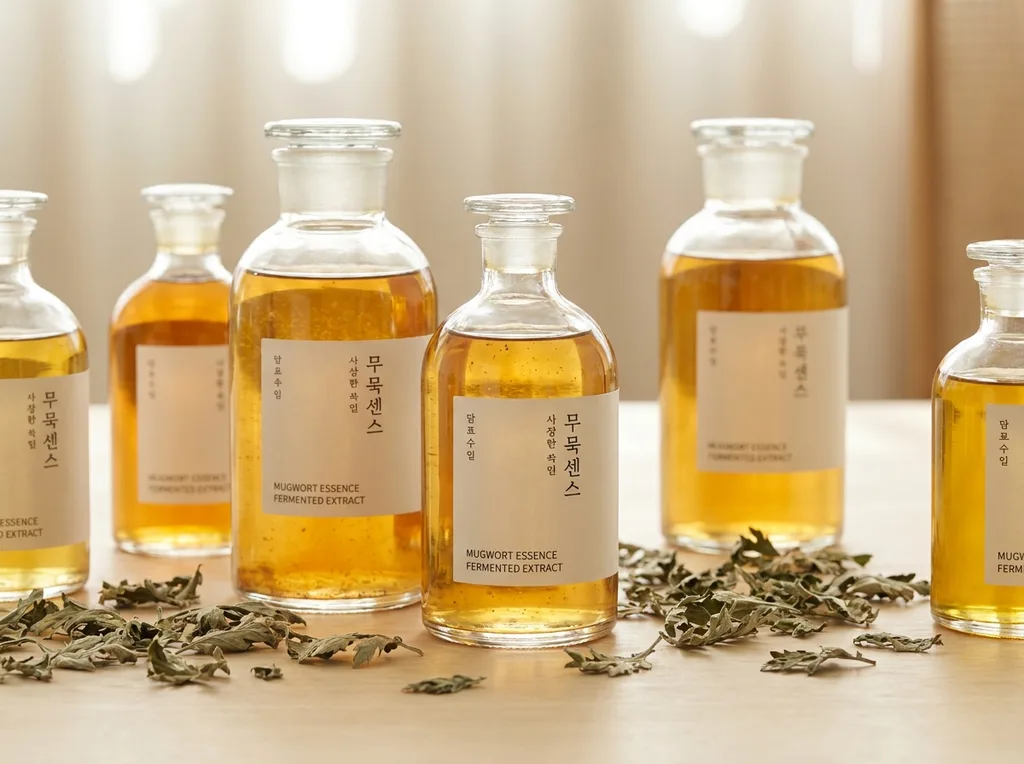
Key Takeaways * Traditional ingredients like rice water and mugwort are not mere folk remedies; they are rich in bioactive compounds that modern science has now fully validated. * The "secret" to Korean traditional beauty is often fermentation, a process that lowers pH and breaks down large molecules into bioavailable peptides for better absorption. * DIY skincare poses real risks, including microbial contamination and barrier damage; clinical-grade, standardized formulations are the safer path to achieving these age-old results.
The Chemistry of the Ancient Routine
Walk into a professional skincare laboratory in Pangyo, and you will see the same ingredients that have been used in Korean homes for centuries—rice, mung bean, and mugwort—but they are treated through a process of fermentation. This is the "crack" in the common DIY narrative. Raw, non-preserved rice water sitting on a bathroom vanity is a petri dish for bacteria. However, when standardized and fermented using Aspergillus oryzae or lactic acid bacteria, the formula undergoes a molecular shift.
The fermentation process creates kojic acid—a potent tyrosinase inhibitor—and reduces the molecular size of ingredients, allowing them to penetrate the stratum corneum rather than sitting uselessly on the surface. When you hear about the "glow" of a traditional routine, you are actually observing the result of enhanced lipid barrier function and consistent, gentle exfoliation from organic acids produced during fermentation.
🎵 K-Mono Lofi — Seoul Study Beats
Read deeper with Seoul lo-fi in the background — curated by K-Mono Lofi
The Evolution of Medicinal Botanicals
In the professional clinical landscape, the integration of traditional medicine has moved far beyond the home kitchen. Practices like Yakchim (herbal acupuncture) have set a precedent for how we view botanical extracts today. The goal isn't just surface-level smoothing; it’s systemic skin health. Ingredients like Eoseongcho (Houttuynia cordata) have been studied extensively for their ability to modulate inflammatory cascades, proving that what was once called "soothing" in traditional circles is, in fact, the down-regulation of pro-inflammatory cytokines.
[K-Beauty 101] 어성초 (Eoseongcho) — Also known as Houttuynia cordata. A medicinal herb traditionally used to calm "troubled" skin. In modern dermatology, it is valued for its quercetin content, which helps protect the skin from oxidative stress and environmental irritation.
The Risky Reality of the "Natural" Trap
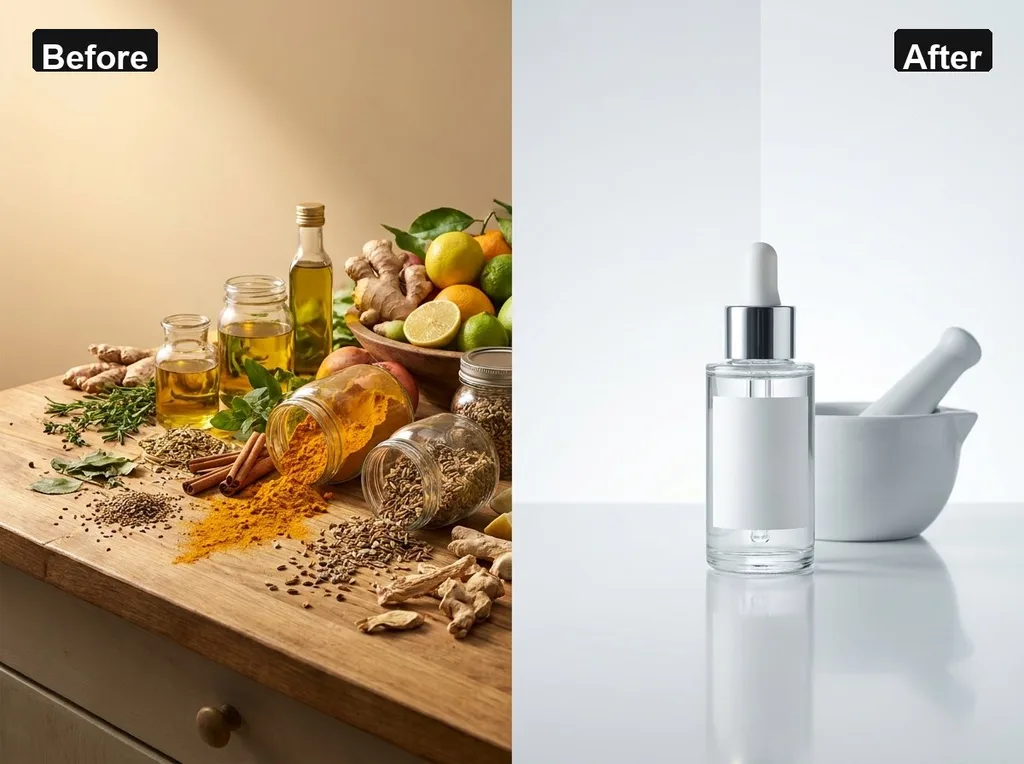
There is a dangerous misconception that "natural" is synonymous with "safe." Many DIY Cheonyeon-paek (homemade masks) utilize ingredients like raw egg, flour, or fresh fruit, which lack the pH-adjusting buffers found in formulated products. The result is often a compromised skin barrier, leading to transepidermal water loss (TEWL) and, in some cases, contact dermatitis.
If you are using raw ingredients at home, you are effectively acting as your own chemist without the benefit of a laboratory environment. For those with compromised barriers or acne-prone skin, the risk of introducing mold or bacterial secondary infections far outweighs the potential antioxidant benefits of the raw material.
Frequently Asked Questions
Can I use traditional herbal ingredients like mugwort with active acids?
Yes, but with caution. Mugwort (ssuk) is highly anti-inflammatory and can actually help buffer the irritation caused by AHAs or BHAs. However, do not layer them simultaneously if your skin is reactive; use the mugwort-based product as a soothing layer after the acids have fully absorbed.
How long does it take to see results from fermented traditional ingredients?
Unlike high-strength retinol, fermented botanicals work to support the skin's long-term health. You can expect to see improved hydration levels within 1–2 weeks, but significant brightening and barrier repair typically require 4–8 weeks of consistent use.
Are all 'Hanbang' (traditional medicine) products effective?
Not necessarily. Effectiveness depends on the concentration and the extraction method. Look for brands that explicitly state their percentage of active extracts and avoid those that simply list a "traditional" ingredient as a marketing afterthought at the bottom of the ingredient list.
⚠️ Disclaimer: The information provided here is for educational purposes and does not constitute medical advice. Skincare needs are individual; always perform a patch test when introducing new ingredients, and consult with a board-certified dermatologist if you have underlying skin conditions or are currently using prescription topicals.
⚠️ Disclaimer: This article is for informational and educational purposes only and does not constitute medical, dermatological, or financial advice. Individual results vary — consult a board-certified dermatologist or physician before starting any new skincare routine, supplement, or procedure, especially if pregnant, nursing, or taking other medications. This article may contain affiliate links — if you buy through them, we may earn a small commission at no extra cost to you.
✓ Researched and compiled using verified data as of the publication date.
 Written by Jun Mi Jung for Quiet Korea | Contact: rsl.2001.1975@gmail.com