Beyond the Rice Water Myth: The Real Science of Korean Traditional Beauty
Beyond the Rice Water Myth: The Real Science of Korean Traditional Beauty
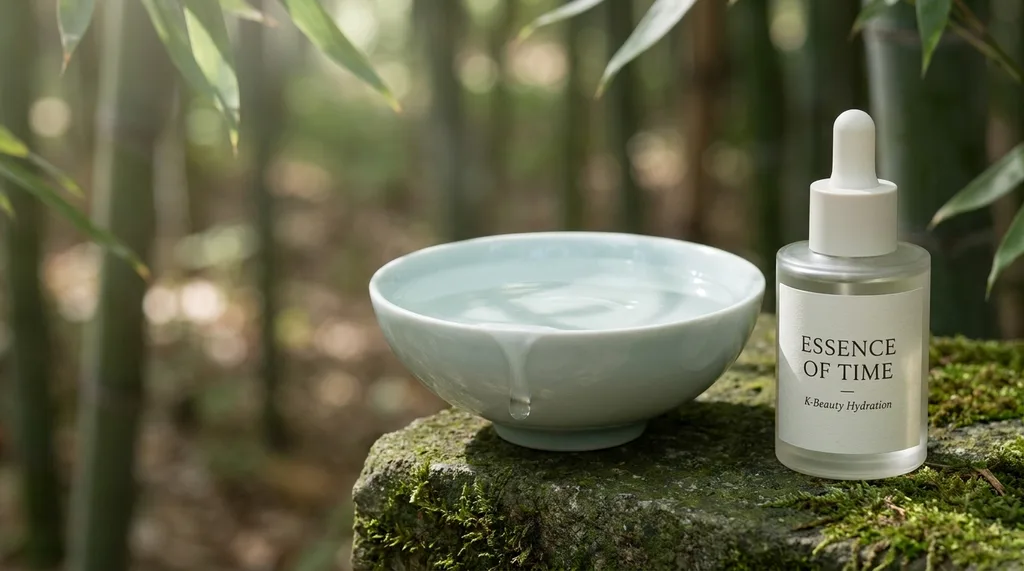
Step into a neighborhood supermarket in Seoul, and you’ll inevitably find someone buying a bag of rice with the specific intention of using the first rinse—ssaltteumul—for their skin. It is a ritual so embedded in the cultural landscape that it bypasses the "beauty trend" label entirely. It is simply domestic common sense. But as these traditional practices have migrated to global platforms, they have been flattened into caricatures of "miracle cures."
The reality is far more interesting. These recipes are not folk remedies waiting for science to validate them; they are empirical observations of chemistry that predated modern laboratories by centuries. Your grandmother wasn’t being superstitious; she was performing chemistry without the terminology.
Key Takeaways * Traditional ingredients like rice water and mugwort provide genuine, observable cosmetic benefits, but they are often misunderstood as "cures" rather than surface-level support. * The core power of these ingredients often lies in bio-active compounds like inositol, kojic acid, and azulene, which modern science now uses to engineer high-performance skincare. * Transitioning from DIY to formulated products is not about losing "natural" benefits; it is about moving from inconsistent, perishable extracts to standardized, bioavailable concentrations.
The Chemistry of the Kitchen: Why Ssaltteumul Actually Works

The narrative often spun online is that rice water is a hair-growth panacea. This is where the cultural truth and marketing fiction collide. If you are expecting a DIY rinse to stop hormonal hair loss, you are fighting a losing battle against biology. However, the cosmetic reality is that ssaltteumul functions as a highly effective, low-cost pH-balancing agent.
When you rinse rice, you are extracting starches, vitamins, and the star molecule: myo-inositol. In a traditional, slightly fermented state, this water drops to a pH of approximately 4.0. This acidity is the secret to its "shine." It effectively seals the hair cuticle, reducing friction and increasing light reflection. It doesn't stimulate the follicle, but it protects the strand. It is physical, surface-level maintenance, not a biological intervention.
How Hyaluronic Acid Actually Works
While you are perfecting your rinse, your skin barrier is likely crying out for something more stable. Modern science has taken the concept of the "moisture cage" found in nature and synthesized it into the hyaluronic acid serums we use today.
🎵 K-Mono Lofi — Seoul Study Beats
Read deeper with Seoul lo-fi in the background — curated by K-Mono Lofi
Moving Beyond Folklore: The Premiumization of Ingredients
The industry is currently witnessing a shift toward the "premiumization" of these traditional roots. Companies are no longer asking you to soak rice in a bowl for three days, risking bacterial contamination. They are utilizing Aspergillus oryzae—the same mold used to create makgeolli—to break down complex starches into bioavailable compounds like kojic acid and concentrated inositol.
This isn't just marketing; it is a move toward stability. When you use a fermented rice filtrate serum, you are getting the grandmother’s wisdom with the chemist’s precision. You are getting the brightening benefits without the perishability.
The Reality Check
Before you dive into the DIY route, remember the risks: 1. Microbial Growth: Kitchen-made DIY ferments are breeding grounds for pathogens if not managed at a strictly controlled pH. 2. Inconsistency: You have no way of measuring the concentration of active compounds. 3. Barrier Compromise: If your "traditional" routine leaves your skin feeling tight or stripped, you have likely disrupted your natural pH. Traditional beauty is about harmony, not harshness.
This article may contain affiliate links — if you buy through them, we may earn a small commission at no extra cost to you.
⚠️ Disclaimer: The information provided here is for educational purposes only. Traditional DIY skincare recipes carry risks of bacterial contamination and irritation. Always perform a patch test on a small area of skin before full application. If you have active skin conditions, chronic inflammation, or are considering significant changes to your routine, consult with a board-certified dermatologist.
✓ Researched and compiled using verified data as of the publication date.
 Written by Jun Mi Jung for Quiet Korea | Contact: rsl.2001.1975@gmail.com