Beyond the Folklore: The Clinical Reality of Traditional Korean Beauty Rituals
Beyond the Folklore: The Clinical Reality of Traditional Korean Beauty Rituals
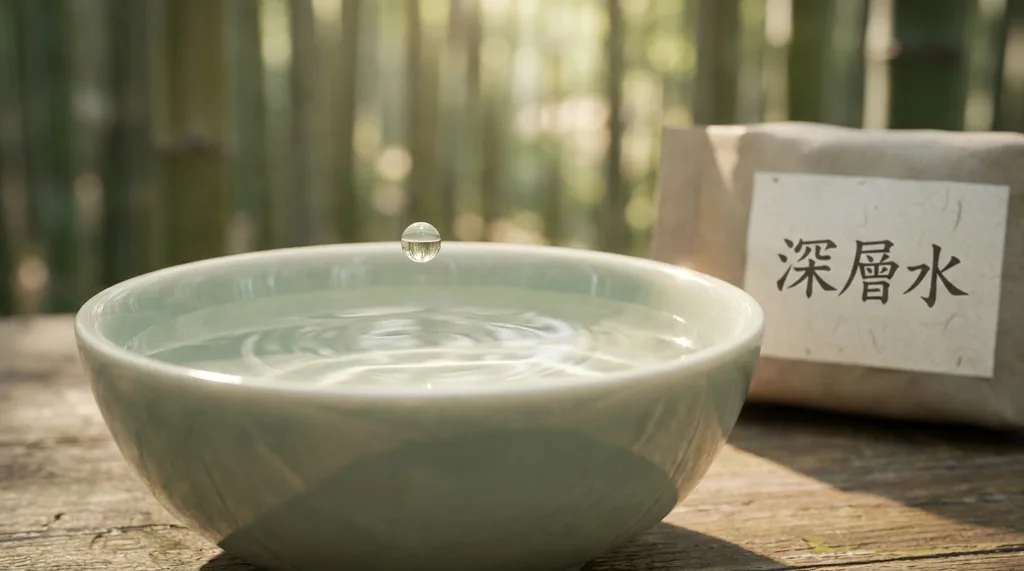
Walk into any home in Seoul, and you might find a grandmother rinsing rice in a bowl, her hands moving with a rhythmic precision that feels more like meditation than chore. She isn’t just prepping dinner; she is harvesting a beauty ingredient that has defined Korean aesthetics for centuries: ssaltteumul (rice water). While social media often frames these rituals as whimsical folk remedies waiting for "discovery," the reality is far more empirical. These practices didn't survive into the modern era because of nostalgia; they survived because they worked—and now, modern molecular science is finally catching up to explain why.
Key Takeaways * Traditional Korean beauty ingredients like rice water and mugwort contain potent bioactives that predate modern synthetic formulas by centuries. * The efficacy of DIY rituals is limited by variable concentrations, while industrial fermentation standardizes these compounds for clinical-grade results. * True "glass skin" is not just about the surface layer; it is the result of modulating inflammatory pathways and barrier integrity, whether through traditional botanicals or modern actives.
The Molecular Truth Behind the Rice Bowl
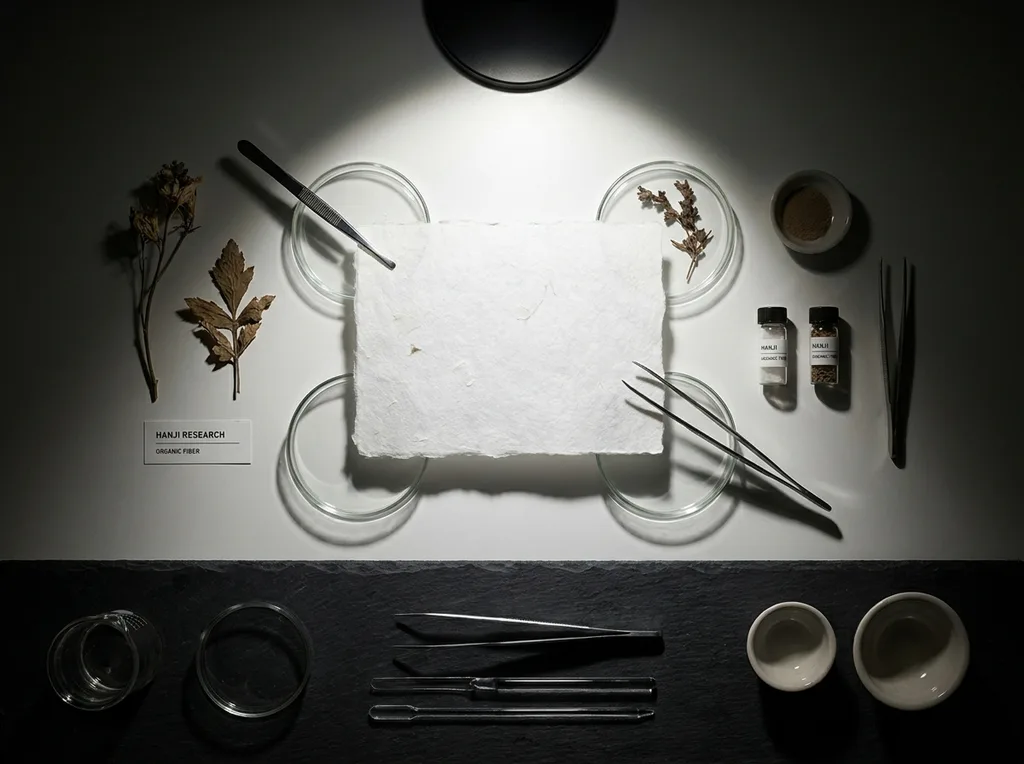
For generations, ssaltteumul—the milky liquid left behind after washing rice—has been the cornerstone of Korean home beauty. The popular narrative suggests this water is a miracle cure for hair and skin. However, when we look at the clinical data, the truth is more nuanced.
Rice water contains inositol, a carbohydrate that plays a critical role in cellular signaling. In a clinical setting, myo-inositol is a powerful metabolic regulator. However, the concentration of inositol in a bowl of kitchen-prepared rice water is highly variable and often too dilute to penetrate the lipid-rich stratum corneum of the scalp to affect follicle miniaturization.
The real magic happens during fermentation. When manufacturers use Aspergillus oryzae (the mold used to create traditional makgeolli or rice wine) to ferment rice, they break down complex starches into bioavailable compounds. This process generates kojic acid—a potent melanin inhibitor—and concentrated, stabilized inositol. This is the bridge between folklore and laboratory science: the grandmother who fermented her rice water was performing an early form of biochemical extraction.
From Traditional Rituals to Clinical Efficacy
Korea’s traditional pharmacy is vast, but ingredients like ssuk (mugwort) and nokdu (mung bean) stand out because their mechanisms are now well-understood at the cellular level. Mugwort, specifically Artemisia princeps, is rich in azulene and flavonoids. In modern clinical dermatology, these compounds are used to modulate the inflammatory cascade by upregulating madecassoside and suppressing oxidative stress in compromised lipid barriers.
When we look at the transition from these plants to modern K-beauty formulations, the goal is always "bioavailability."

This evolution is why the industry is shifting toward standardized fermented filtrates. By controlling the fermentation environment, labs can guarantee that every bottle delivers the same concentration of active compounds, something a DIY kitchen ritual can never replicate.
Implementing the Tradition: Actionable Steps
If you want to integrate these traditional principles into your modern routine, focus on quality and intent.
- Prioritize Fermented Extracts: Look for labels containing Aspergillus/Rice Ferment Filtrate. These are the industry’s way of bottling the wisdom of the traditional makgeolli rinse.
- The Mung Bean Reset: If you struggle with excess sebum, ground mung bean (nokdu) powders act as a physical exfoliant that also provides saponins—natural surfactants that cleanse without stripping the skin’s pH.
- Camellia Oil Compatibility: For dry skin or hair, look for dongbaek oil (camellia oil). Because its oleic acid profile mirrors human sebum so closely, it absorbs into the hair shaft and skin barrier far more effectively than heavier, synthetic occlusives.
🎵 K-Mono Lofi — Seoul Study Beats
Read deeper with Seoul lo-fi in the background — curated by K-Mono Lofi
This article may contain affiliate links — if you buy through them, we may earn a small commission at no extra cost to you.
⚠️ Disclaimer: The information provided here is for educational purposes only. Traditional DIY skincare recipes carry risks of bacterial contamination and allergic reactions. Always perform a patch test on your inner forearm before applying any DIY preparation to your face. If you have active skin conditions, hormonal imbalances, or hair loss concerns, consult a board-certified dermatologist. Supplements and concentrated botanical extracts can interact with medications; always consult your physician before starting a new regimen.
✓ Researched and compiled using verified data as of the publication date.
 Written by Jun Mi Jung for Quiet Korea | Contact: rsl.2001.1975@gmail.com