Beyond the Hype: Decoding the Real Science of K-Beauty Bestsellers
Beyond the Hype: Decoding the Real Science of K-Beauty Bestsellers
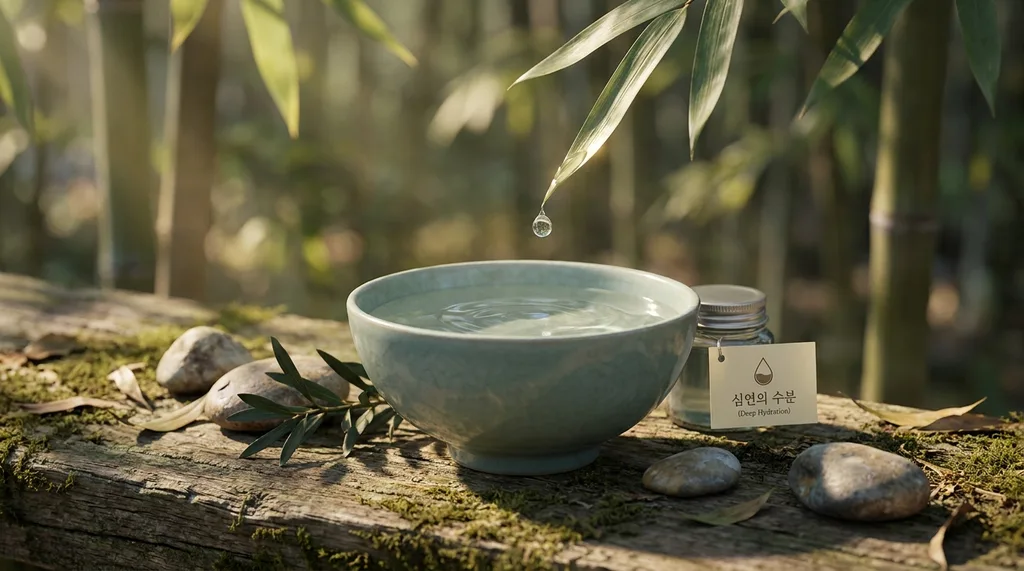
If you have ever spent a midnight hour scrolling through the digital aisles of Olive Young, you know the feeling: an overwhelming sense of abundance. Between the neon-lit promises of "glass skin" and the dizzying array of ampoules, it is easy to assume that the secret to the Korean beauty aesthetic lies in owning just one more bottle. But walk into a dermatology clinic in Seoul, and you will hear a different story. The professionals there are not talking about complex, multi-layered regimes. They are talking about biology, stability, and the quiet, often-ignored science of barrier maintenance.
Key Takeaways * Ingredient Honesty: High concentration does not equate to high efficacy; for ingredients like niacinamide, the "sweet spot" for barrier health and sebum regulation is surprisingly low, often plateauing at 2%. * The Ecosystem Effect: Olive Young’s dominance is built on "Partner Co-prosperity," a model that allows small, research-driven brands to scale, creating an ecosystem where the best products survive based on data, not just marketing budget. * The End of Trial-and-Error: Modern Korean beauty culture is shifting toward Jeong-chap-tem (settled-on items)—the pursuit of a curated, minimalist routine that replaces the "more is more" mentality with targeted, science-backed care.
The Myth of the "More is More" Routine
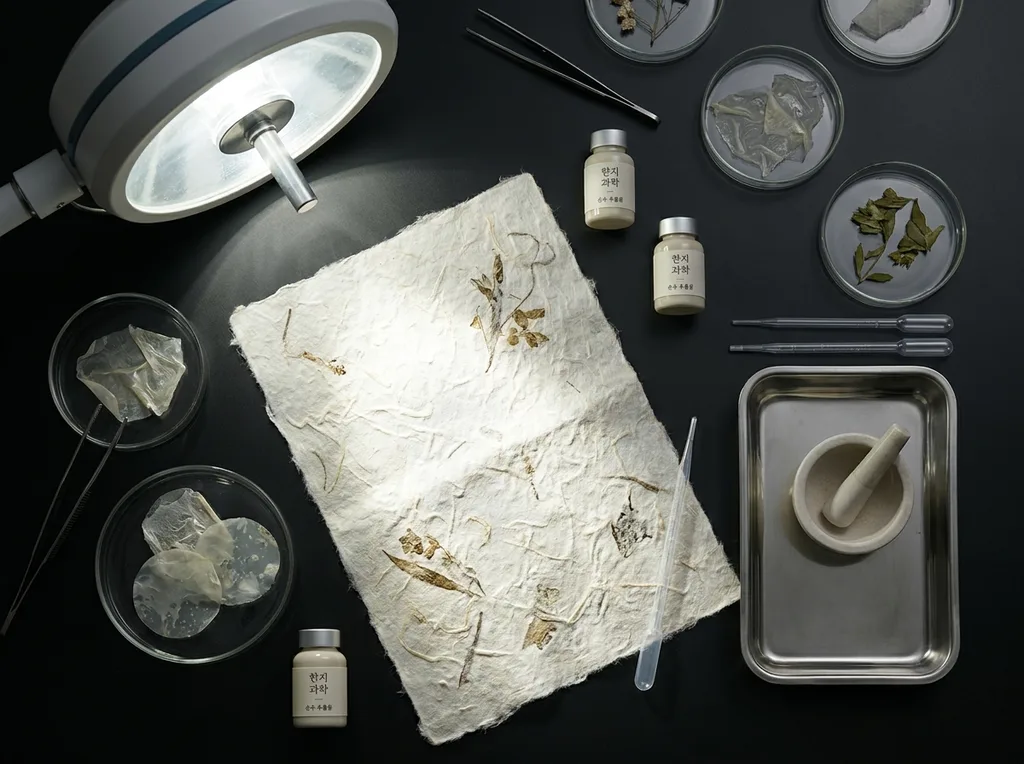
For years, the global narrative surrounding K-beauty was dominated by the "10-step routine." While this served as a gateway for many, it often led to the dreaded o-beo-ke-eo (over-care). When you strip away the social media marketing, the reality of Korean skincare is surprisingly restrained.
According to experts, the most effective routines are those that respect the stratum corneum—the skin's outermost barrier. When consumers treat their skin like a science experiment, layering active upon active, the result is often a compromised barrier rather than the promised glow. The current trend among savvy Korean consumers is not to add, but to curate. They are increasingly turning to platforms like Hwahae to cross-reference ingredient lists with dermatological data, prioritizing transparency over aesthetic packaging.
Why Your Serum Might Not Be Working
Consider the case of niacinamide. It is a staple in almost every "brightening" serum on the market, yet marketing often pushes for 10% or even 20% concentrations. However, clinical consensus suggests that for sebum control and barrier repair, the efficacy plateau begins at 2%. Beyond that, you are often paying for higher concentration without added benefit, while potentially increasing the risk of irritation. The Jeong-chap-tem culture is about recognizing these thresholds—finding the formula that works for your specific skin physiology rather than chasing the highest number on the label.
🎵 K-Mono Lofi — Seoul Study Beats
Read deeper with Seoul lo-fi in the background — curated by K-Mono Lofi
The Engine Behind the Shelf
It is impossible to discuss the evolution of these products without looking at the retail engine that drives them. Olive Young has transitioned from a simple drugstore to a global nexus for K-Beauty, and their strategy is perhaps the most important "hidden" factor in your skincare success.
Through their "Partner Co-prosperity" initiative, they function as a catalyst for small and medium-sized enterprises (SMEs). This is not just corporate altruism; it is a strategic necessity. By providing SMEs with data-driven insights from the Olive Young Awards & Festa, they ensure that the products hitting the shelves are those that have already been vetted by the collective intelligence of millions of Korean consumers.

The Reality of "Glass Skin"
There is a distinct tension between the "glass skin" aesthetic popularized on TikTok and the clinical reality of healthy skin. True mul-gwang (water glow) is not a result of a highlighter or an oil-slicked face; it is a manifestation of skin that is internally hydrated and barrier-strong.
If you find yourself struggling with sok-geon-jo (inner dryness)—that paradoxical state where your skin feels tight despite being oily—you are likely experiencing a barrier deficiency. Instead of reaching for a stronger active, the Korean approach often involves Hwa-jal-meok (makeup-friendly) steps: focusing on humectants that draw water into the skin, followed by lipids that lock it in.
It is important to remember that not every viral product is a masterpiece. There are hidden costs to the "bestseller" status: marketing cycles, social media algorithms, and influencer partnerships all play a role in what rises to the top. As a consumer, your greatest weapon is your own observation. If a product causes redness or tightness, no amount of "viral" status can justify keeping it in your routine.
⚠️ Disclaimer: This information is for educational purposes only and does not constitute medical advice. Skincare needs are highly individual; always perform a patch test when introducing new ingredients, and consult with a board-certified dermatologist if you have persistent skin concerns or conditions.
⚠️ Disclaimer: This article is for informational and educational purposes only and does not constitute medical, dermatological, or financial advice. Individual results vary — consult a board-certified dermatologist or physician before starting any new skincare routine, supplement, or procedure, especially if pregnant, nursing, or taking other medications. This article may contain affiliate links — if you buy through them, we may earn a small commission at no extra cost to you.
✓ Researched and compiled using verified data as of the publication date.
 Written by Jun Mi Jung for Quiet Korea | Contact: rsl.2001.1975@gmail.com