Beyond the Hype: The Truth About K-Beauty’s "Jeong-chap-tem" Culture
Beyond the Hype: The Truth About K-Beauty’s "Jeong-chap-tem" Culture
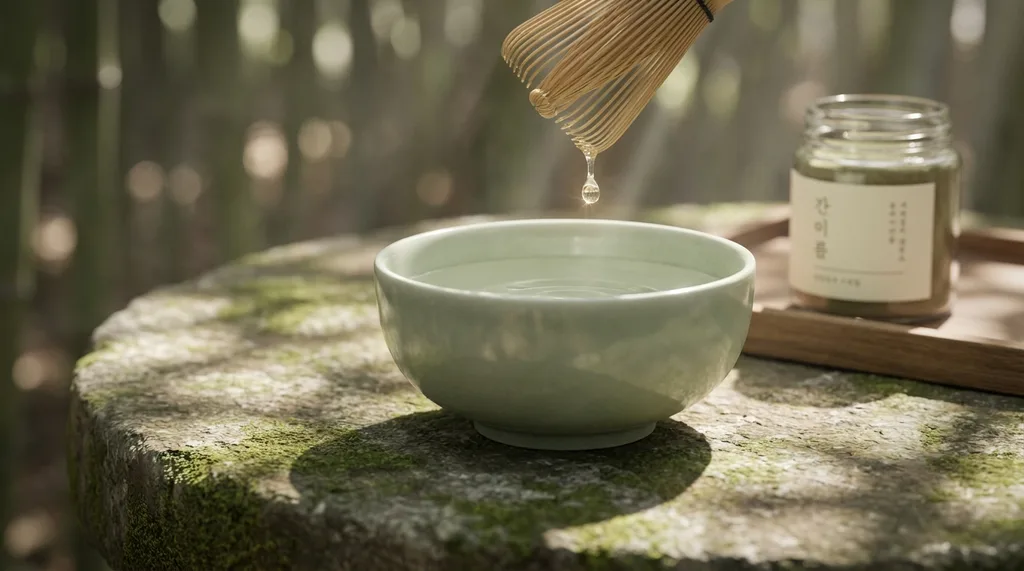
The modern skincare aisle—whether in the neon-lit heart of Myeongdong or the infinite scroll of a digital shop—has become a landscape of dizzying complexity. You have likely experienced the frustration: a routine that promised "glass skin" but delivered nothing more than a cluttered vanity and a compromised barrier. In Seoul, the conversation has shifted. The era of the bloated 10-step routine is fading, replaced by a more clinical, data-literate approach. Locals now prioritize the concept of Jeong-chap-tem—the "settled-on item." It is the pursuit of that one, reliable staple that finally ends the exhausting, expensive cycle of trial and error.
Key Takeaways * K-Beauty's global dominance is driven by an omnichannel strategy that integrates physical retail experiences with data-driven transparency, moving consumers toward high-loyalty "settled" products. * Scientific consensus confirms that active ingredients like Niacinamide reach an efficacy plateau at 2% for barrier repair, rendering high-concentration marketing claims often unnecessary. * The modern "Jeong-chap-tem" culture focuses on barrier-first, results-oriented regimens rather than the viral, multi-step routines that often lead to over-care and sensitivity.
The Science of Formulation: Why More Isn’t Always Better
Walk into any Olive Young, and you are greeted by thousands of serums claiming to revolutionize your skin. Yet, the most critical lesson in contemporary skincare science is the law of diminishing returns. Take Niacinamide, for instance. A derivative of Vitamin B3, it is a cellular energy powerhouse. Clinical research indicates that a 2% concentration is the "sweet spot" for strengthening the lipid barrier and reducing transepidermal water loss (TEWL). When you see bottles boasting 10% or 20% concentrations, it is vital to remember: the skin has a limited capacity for absorption. Beyond the 5% threshold, you aren't necessarily buying better results; you are often just buying a higher risk of irritation.
The true K-Beauty "secret" isn't found in a magic percentage—it’s found in the vehicle. A stable formulation with a pH between 5.0 and 7.0 is what allows the skin to accept these actives without rebellion.
The Olive Young Ecosystem: A New Strategic Paradigm
Why does the world look to this specific retailer? It isn't just the sheer volume of products; it is the "Partner Co-prosperity" model. By providing small and medium-sized enterprises (SMEs) with a platform and deep analytics from their Olive Young Awards & Festa, the retailer has effectively curated a market where only the most effective, consumer-vetted products survive.
This environment has fostered a population of Ko-deok (beauty obsessives) who utilize platforms like Hwahae to dissect ingredient lists before a single product touches their face. This data-literate consumer culture has forced brands to prioritize transparency over theatricality. The result is a cycle where the products that stay on the shelves are the ones that actually perform—the ones that become someone's Jeong-chap-tem.
🎵 K-Mono Lofi — Seoul Study Beats
Read deeper with Seoul lo-fi in the background — curated by K-Mono Lofi
Navigating the "Jeong-chap-tem" Transition
The shift toward Sok-geon-jo (inner dryness) management—treating the skin from the inside out—has changed how shoppers approach their morning and evening routines. Instead of layering seven toners, the modern enthusiast identifies the specific deficit in their skin barrier and selects a targeted solution.
If you find yourself constantly rotating products, you are likely suffering from Over-care—a phenomenon where the skin is never given enough time to reach a steady state. Healing is often a matter of subtraction, not addition.
Frequently Asked Questions
How long does it take for a skincare product to show real results? Most active ingredients require at least 28 days of consistent use—the length of a full skin cell turnover cycle. Expecting overnight miracles often leads to over-application and barrier damage.
Why does my skin feel oily on the surface but tight underneath? This is Sok-geon-jo (inner dryness). It suggests that your skin’s lipid barrier is compromised, causing rapid water evaporation. The solution is not more oil, but humectants like hyaluronic acid followed by a ceramide-rich barrier cream to "lock" the moisture in.
Should I stop using a product if I feel a slight tingle? Not necessarily, but be cautious. Ingredients like Vitamin C or certain exfoliants can cause mild sensory feedback. However, if the sensation is burning, itching, or accompanied by visible redness, your skin barrier is signaling a need for a "reset" with minimal, soothing ingredients.
⚠️ Disclaimer: This guide is for informational purposes only and does not constitute medical advice. Skincare needs are highly individual. Always patch-test new products on your inner arm for 24-48 hours. If you have chronic skin conditions, consult a board-certified dermatologist before introducing high-potency actives.
⚠️ Disclaimer: This article is for informational and educational purposes only and does not constitute medical, dermatological, or financial advice. Individual results vary — consult a board-certified dermatologist or physician before starting any new skincare routine, supplement, or procedure, especially if pregnant, nursing, or taking other medications. This article may contain affiliate links — if you buy through them, we may earn a small commission at no extra cost to you.
✓ Researched and compiled using verified data as of the publication date.
 Written by Jun Mi Jung for Quiet Korea | Contact: rsl.2001.1975@gmail.com