The Great K-Beauty Reset: Why You’re Overpaying for Your Glow
The Great K-Beauty Reset: Why You’re Overpaying for Your Glow
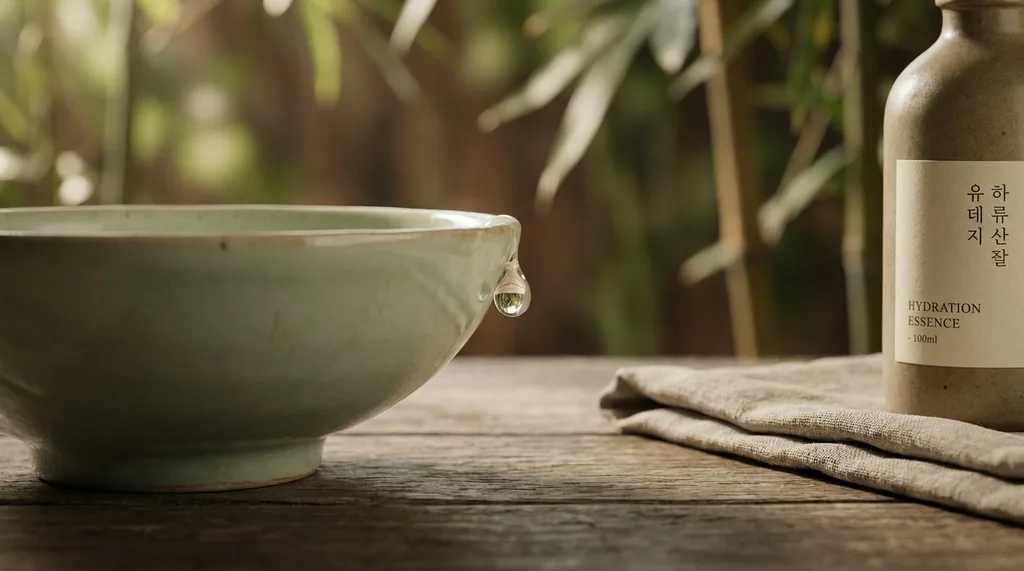
If you’ve ever walked the midnight aisles of an Olive Young in Seoul, you’ve seen it: the young woman standing in the toner section, pressing her fifth layer of essence into her skin with the focus of a jeweler setting a diamond. She isn't there for the luxury packaging or the prestige label. She is hunting for gaseongbi—a fierce, uncompromising dedication to the price-to-performance ratio that defines the Korean beauty landscape.
For too long, global beauty consumers have been sold a myth: that the secret to "Glass Skin" lies in the four-figure price tag of a prestige serum. In reality, the Korean dermatological consensus is far more egalitarian. True skin health in Korea is built not on luxury, but on the strategic layering of MFDS-certified functional ingredients.
Key Takeaways * The Korean skincare hierarchy prioritizes "Functional Ingredients" (like Niacinamide and Adenosine) over expensive proprietary marketing. * "Texture-First" layering is the only effective way to combat Sok-geonjo (inner dryness) and achieve a natural, glass-like reflection. * Spending more on cleansers or basic moisturizers is a common waste; save your budget for high-tech sunscreens and clinical-grade actives.
The Regulatory Secret to Budget Brilliance
The reason you can find a $15 Korean serum that outperforms a $150 Western luxury cream is hidden in the South Korean regulatory framework. The Ministry of Food and Drug Safety (MFDS) enforces a strict binary: a product is either classified as a "Functional Cosmetic" (Gineungseong Hwajangpum) or it isn't.
To earn this classification, a brand must prove their products contain "Notified Ingredients" (Gosi-hyeong Seongbun)—like Niacinamide for brightening or Adenosine for wrinkles—at government-validated concentrations. This system creates a level playing field. Because brands don't need to spend millions on R&D to prove the efficacy of these ingredients, they can focus on the one thing that actually matters: delivering those actives in a stable, skin-penetrating medium. When you buy a budget Korean product, you aren't buying a "cheap" version; you are often buying the exact same active chemistry as the luxury version, minus the heavy marketing markup.
How Hyaluronic Acid Actually Works
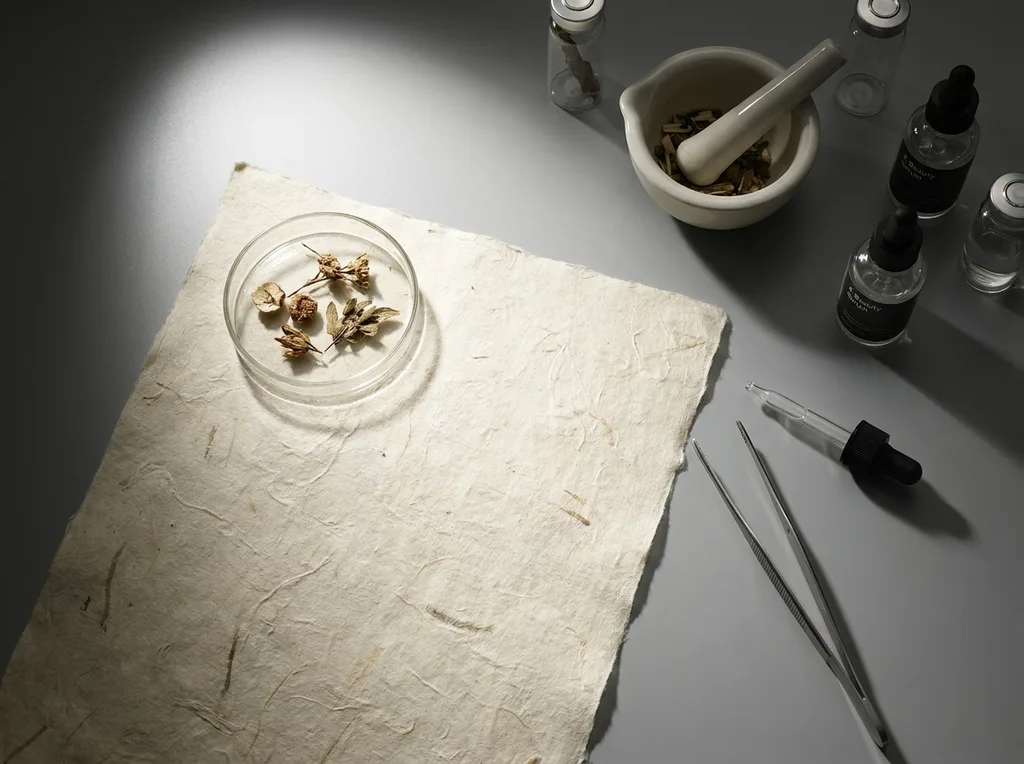
The true art of K-Beauty is Sok-geonjo management—solving the paradoxical state where your skin feels parched deep down despite an oily surface. This is where "Texture-First" application becomes your best weapon.
Forget the traditional "thicker is better" logic. In Seoul, the method is simple: start with the most watery essence. These formulations are designed to be "makeup-friendly" (Hwajalmeok), creating a hydrated canvas that sits beneath your barrier rather than just coating it. By using Yak-san-seong (mildly acidic) toners, you maintain the skin's natural pH 5.5 balance, which is the prerequisite for all subsequent absorption.
🎵 K-Mono Lofi — Seoul Study Beats
Read deeper with Seoul lo-fi in the background — curated by K-Mono Lofi
Where to Splurge vs. Where to Save
One of the most common mistakes travelers make in Korea is spending their entire budget on products that offer the lowest return on investment. Here is how to reset your spending map.
| Category | Why You Should Save (The Budget Choice) | Why You Should Splurge (The Premium Choice) |
|---|---|---|
| Cleansers | pH-balanced formulas are simple to produce. | Avoid high-end—any gentle, non-stripping wash works. |
| Moisturizers | Basic ceramide creams are highly effective at low costs. | Only upgrade if you need specialized medical-grade lipids. |
| Sunscreen | The tech is so advanced in Korea that even $10 options are world-class. | Splurge for specific cosmetic elegance (zero white cast, matte finish). |
| Actives | High-potency serums require advanced delivery tech. | Investing here avoids the instability that causes irritation. |
The "Cosmetics Diet" Philosophy
When your skin flares up or becomes reactive, the most "expensive" mistake you can make is layering on more products to "fix" it. This is where the practice of Hwajangpum daieo-teu (cosmetics diet) comes in. Korean dermatologists frequently prescribe a radical simplification of the routine—stripping back to a basic cleanser and a single hydrating essence until the lipid barrier recovers.
The beauty of a budget-conscious routine is that it makes this flexibility easier. When your entire routine is built on efficient, functional ingredients rather than status symbols, you are far more likely to listen to your skin's actual needs rather than the pressure to finish a $200 bottle of "miracle" water.
Frequently Asked Questions
Can I mix different active ingredients from different brands? Yes, but prioritize the Day/Night separation. Use Vitamin C or antioxidants during the day to combat environmental stress, and reserve retinoids for nighttime to support cellular turnover. Avoid layering harsh acids (AHAs/BHAs) with retinoids to prevent damage to your lipid barrier.
How long does it take to see results? Skin cell turnover takes approximately 28 to 30 days. While you may feel an immediate "plumping" effect from humectants like hyaluronic acid within minutes, structural changes—like improvements in pigmentation or fine lines—require at least one full cycle of consistent, non-aggressive application.
Is "Glass Skin" actually reachable on a budget? Glass skin is simply a state of optimal hydration and light reflection. It is achieved through consistent barrier maintenance and hydration, not by using a specific expensive bottle. You can achieve the same aesthetic with $30 worth of basic, well-formulated products as you can with $300 worth of luxury ones.
⚠️ Disclaimer: This guide is for educational purposes based on general skincare principles and Korean dermatological trends. Skin is highly individual; always perform a patch test when introducing new functional ingredients. If you are dealing with active skin conditions like eczema, rosacea, or severe acne, please consult a board-certified dermatologist before altering your routine.
⚠️ Disclaimer: This article is for informational and educational purposes only and does not constitute medical, dermatological, or financial advice. Individual results vary — consult a board-certified dermatologist or physician before starting any new skincare routine, supplement, or procedure, especially if pregnant, nursing, or taking other medications. This article may contain affiliate links — if you buy through them, we may earn a small commission at no extra cost to you.
✓ Researched and compiled using verified data as of the publication date.
 Written by Jun Mi Jung for Quiet Korea | Contact: rsl.2001.1975@gmail.com