The Death of the Acid Peel: Why Seoul’s Elite Traded Harsh Acids for Lipid-Barrier Therapy
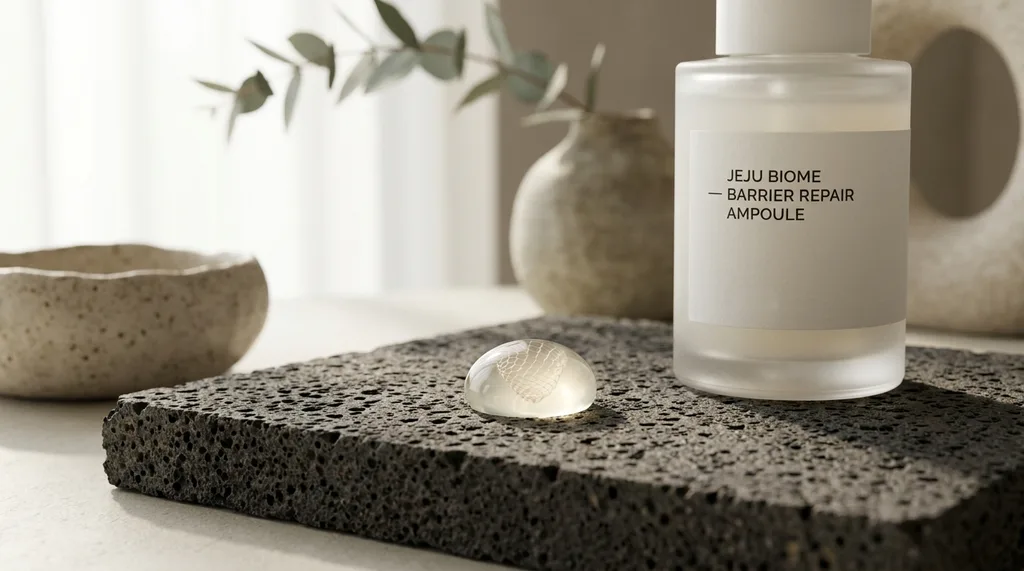
Key Takeaways * The Barrier-First Pivot: The coveted yuri-al pibu (glass skin) is not achieved by stripping the skin with aggressive chemical peels, but by maintaining a perfectly intact, light-reflective intercellular lipid matrix. * The Science of the Dupe: High-end barrier repair creams often base their pricing on marketing and luxurious textures, while identical physiological lipid ratios (ceramides, cholesterol, fatty acids) can be found in highly affordable, clinically precise Korean alternatives. * The Optimal Formula: True skin repair requires a biological lipid ratio of 1:1:1 or 3:1:1 to stop transepidermal water loss (TEWL) and eliminate the underlying causes of subuji (dehydrated, oily-surface skin).
Table of Contents
- The Molecular Autopsy: Why Exfoliation is the Ultimate Glass Skin Trap
- The 3:1:1 Golden Ratio: Evaluating the Elite vs. Affordable Formulas
- The Verdict: When to Splurge and When to Save
- Spend your money on the luxury option if:
- Save your money and buy the Korean clinical alternatives if:
- The Chronological Blueprint: Rebuilding a Blown-Out Barrier
- The AM Routine: Protective Shielding
- The PM Routine: Deep Reconstruction
- Explore Barrier-Repair Essentials
- Frequently Asked Questions
- Can I use ceramides if I have oily skin?
- How long does it take to repair a damaged skin barrier?
- Should I stop using Vitamin C and Retinol while repairing my barrier?
Step into a premier dermatology clinic in Gangnam at 8:00 PM, and you will notice a striking absence. You won’t find the raw, weeping, post-peel skin that once defined clinical beauty in the West. Instead, you will see patients resting under soothing LED domes, their skin coated in thick, milky lipid emulsions.
For years, global beauty consumers were taught a dangerous lie: that to achieve flawless, reflective skin, they had to burn off the top layer of their face. High-percentage glycolic acid peels, aggressive facial scrubs, and daily exfoliating pads became the norm. But in Seoul, skincare formulation chemists have spent the last decade proving the exact opposite. True radiance is not a wound-healing response; it is the visual signature of a completely unbothered, structurally perfect skin barrier.
When you strip your skin to find a glow, you are actually inducing micro-inflammation that mimics a shine. Once that temporary swelling subsides, you are left with a compromised stratum corneum, accelerated moisture loss, and chronic sensitivity. To achieve genuine, long-term luminosity, modern Korean skincare has abandoned the acid bottle in favor of bio-identical lipid therapy.
The Molecular Autopsy: Why Exfoliation is the Ultimate Glass Skin Trap
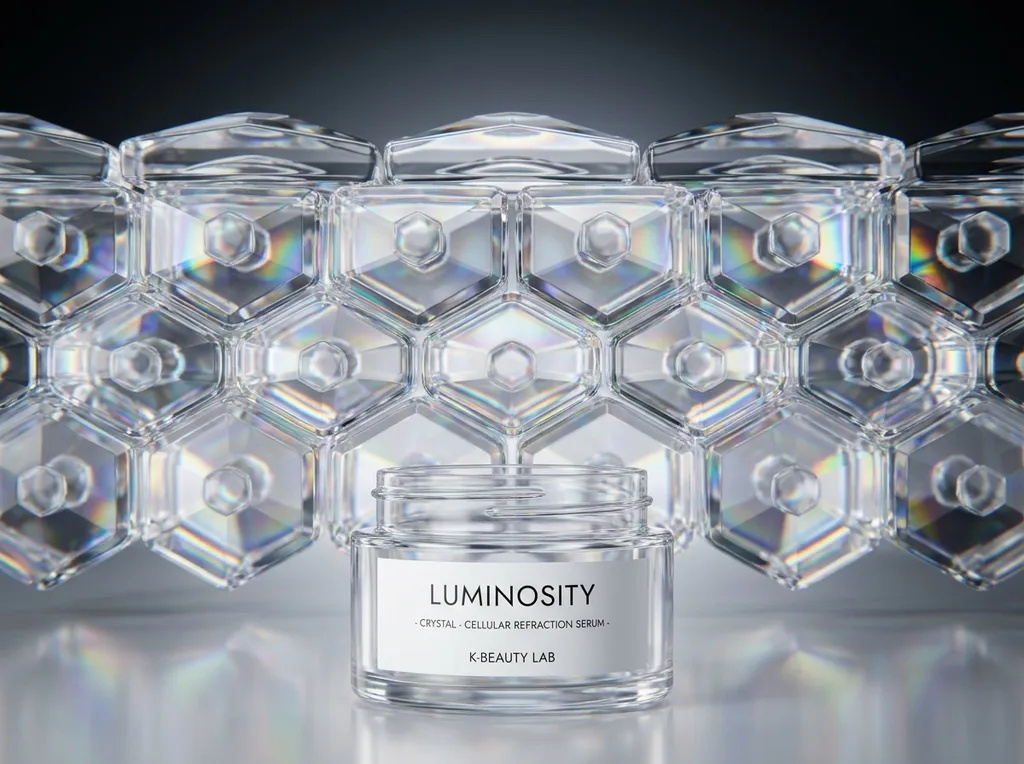
To understand why harsh peels fail, we must look at the stratum corneum through a microscope. Dermatologists describe this outer layer using the classic "brick-and-mortar" model. The bricks are your corneocytes (dead skin cells), and the mortar is an incredibly intricate, highly organized extracellular lipid matrix.
This lipid matrix is composed of three essential elements: ceramides, cholesterol, and free fatty acids. When these three lipids exist in their optimal physiological ratio, they form a highly ordered crystalline gel. This gel acts as a microscopic optical prism. When light hits a healthy, lipid-rich stratum corneum, it doesn’t scatter; it refracts evenly off the plump, hydrated lipids, creating the translucent glow known as glass skin.
[K-Beauty 101] Yuri-al Pibu (Glass Skin) — A poreless, translucent, and highly reflective complexion. It is not a cosmetic illusion created by highlighters, but the physiological end-state of a fully saturated, healthy skin barrier.
When you apply a harsh chemical peel, you dissolve the intercellular mortar to force rapid cell turnover. While this temporarily exposes younger cells, it leaves your skin's protective shield full of microscopic holes. The immediate consequence is a dramatic spike in transepidermal water loss (TEWL). Water evaporates from the deeper layers of the epidermis, leaving the skin structurally dehydrated.
To compensate for this sudden dryness, your sebaceous glands go into overdrive, flooding the surface with excess sebum. This is the origin of a frustrating skin condition widely recognized in Korean dermatology:
[K-Beauty 101] Subuji (Dehydrated Oily Skin) — A unique Korean classification describing skin that produces excess surface sebum because its deep cellular layers are desperate for water.
When you treat subuji skin with more acids to fight the surface oil, you enter a destructive cycle of chronic barrier depletion. The skin becomes thin, reactive, and incapable of holding onto water.
For a deeper understanding of how glass skin masterclass actually works in skin, read: Glass Skin Masterclass (글래스 스킨 루틴 마스터클래스)
The 3:1:1 Golden Ratio: Evaluating the Elite vs. Affordable Formulas
The gold standard for repairing a blown-out skin barrier is topical application of ceramides, cholesterol, and free fatty acids. However, science has revealed a strict catch: applying these lipids in random ratios can actually delay barrier recovery.
Clinical studies show that the skin requires a precise 1:1:1 or a ceramide-dominant 3:1:1 molecular ratio to successfully integrate into the lipid bilayer. High-end clinical creams often charge upwards of $150 to deliver this specific ratio, wrapped in elegant, silicone-heavy textures that glide beautifully onto the skin.
But does the underlying biochemistry justify the luxury price tag?
To answer this, we must strip away the marketing and look at the raw formulation profiles of the industry’s most famous barrier creams compared to their high-performance Korean counterparts.
💸 Luxury Standard
Prestige Barrier Cream
Ceramides + Cholesterol (2:4:2) · $150+
⭐ Clinical Value Pick
Atobarrier 365 Cream
Patented Triple Lipid Capsule · $30-$40
✨ Pure Minimalist Pick
Ceramide Ato Concentrate
Encapsulated Ceramide NP · $15-$22
While luxury formulations rely heavily on expensive synthetic textures and essential oils to create a sensory experience, Korean dermatological brands focus on delivery systems. Because ceramides are notoriously difficult to stabilize and dissolve in water-based formulas, affordable Korean barrier creams utilize specialized encapsulation technologies. These micro-capsules melt only upon physical friction with the skin, delivering fresh, unoxidized lipids directly to the cellular junctions.
| Formulation Metric | Luxury Reference Cream | Olive Young Champion (Atobarrier) | iHerb Budget Champion (Ceramide Ato) |
|---|---|---|---|
| Primary Active Lipids | Ceramide 1, Ceramide 3, Cholesterol, Fatty Acids | Ceramide NP, Ceramide AP, Ceramide EOP, Cholesterol | Ceramide NP, Phytosphingosine, Ginseng Extract |
| Lipid Delivery System | Standard Emulsion Matrix | Patented DermaON® Lipid Capsules | Encapsulated Ceramide Beads |
| Texture Experience | Heavy, velvety, matte finish | Medium-weight cream, melts instantly | Thick, occlusive balm-cream |
| Potential Irritants | Synthetic fragrances, essential oils | Fragrance-free, hypoallergenic | Fragrance-free, ultra-minimalist |
| Average Retail Price | $150.00 USD | $34.00 USD | $18.00 USD |
| Value Score | ★★☆☆☆ | ★★★★★ | ★★★★☆ |
The Verdict: When to Splurge and When to Save
Understanding these formulations allows you to make an educated choice. You do not need to spend three figures to restore your skin barrier.
Spend your money on the luxury option if:
You are paying strictly for the elegant cosmetic finish. High-end creams excel at sitting beautifully under makeup without piling, making them ideal for daytime wear under heavy foundations. They also often include expensive botanical extracts (like aged ginseng or rare tea ferments) designed to provide secondary antioxidant benefits.
Save your money and buy the Korean clinical alternatives if:
Your primary goal is biological repair. If your skin is currently stinging, peeling, or displaying the classic signs of subuji, the fragrance-free, clinically targeted lipid delivery systems found in Korean drugstore champions are actually superior. They eliminate the unnecessary essential oils and fragrances that can trigger contact dermatitis in already compromised skin.
If you want to bypass the marketing noise and receive curated, scientifically vetted skincare analysis directly to your inbox, sign up for our private digest.
The Chronological Blueprint: Rebuilding a Blown-Out Barrier

If you have over-exfoliated and your skin is red, tight, or reacting to basic moisturizers, you must immediately implement a barrier rehabilitation routine. This sequence is designed to minimize physical friction while maximizing lipid absorption.
The AM Routine: Protective Shielding
The goal of the morning routine is to prevent transepidermal water loss throughout the day without overloading the skin with heavy, suffocating layers.
- Step 1: The Waterless Cleanse. Skip the foaming cleanser entirely. Wash your face with lukewarm water only. This prevents the stripping of the precious sebum produced overnight.
- Step 2: The Saturated Tap. Apply a watery, panthenol-rich toner. Do not use a cotton pad; the physical friction can cause micro-tears in a fragile barrier. Instead, pour a dime-sized amount into your palms, rub them together to warm the liquid, and gently press it into your skin. Wait 60 seconds.
- Step 3: The Lipid Shield. Take a pea-sized amount of your chosen lipid-repair cream. Warm it between your fingertips to melt any encapsulated ceramide beads, then press—do not rub—the cream into your cheeks, forehead, and chin.
- Step 4: Inorganic Sun Protection. Use a pure zinc oxide physical sunscreen. Chemical UV filters can easily penetrate a broken skin barrier, causing stinging and vascular redness.
The PM Routine: Deep Reconstruction
The night is when your skin's cellular regeneration peaks. This is the time to deliver rich, structural lipids.
- Step 1: The Gentle Dissolve. Use a PEG-free cleansing balm or oil to dissolve sunscreen and environmental pollutants. Massage gently for no more than 60 seconds. Rinse with lukewarm water.
- Step 2: The Non-Stripping Wash. Follow with a mildly acidic, low-foaming cleanser (pH 5.5). Avoid any cleansers that leave your skin feeling "squeaky clean."
- Step 3: The Deep Saturation. While the skin is still damp, apply your hydrating serum. This traps the surface moisture before it can evaporate.
- Step 4: The Occlusive Wrap. Apply a generous layer of your lipid-dominant cream. For extremely damaged areas, apply a second thin layer over the dry patches just before sleep.
To help you focus and unwind during your evening restorative ritual, let the calming frequencies of our curated ambient playlist set the tone.
🎵 K-Mono Lofi — Seoul Study Beats
Read deeper with Seoul lo-fi in the background — curated by K-Mono Lofi
By shifting your skincare philosophy from "aggression" to "rehabilitation," you stop fighting your skin’s natural biology. You allow the lipid bilayer to close its gaps, lock in hydration, and naturally project the unmistakable, mirror-like light of a truly healthy skin barrier.
Frequently Asked Questions
Can I use ceramides if I have oily skin?
Yes. Oily skin often suffers from a lack of structural lipids in the stratum corneum, leading to a dehydrated but greasy surface (subuji). Using a lightweight, non-comedogenic ceramide fluid or gel-cream can help regulate sebum production by restoring deep cellular hydration.
How long does it take to repair a damaged skin barrier?
For mild damage (slight tightness or dullness), the skin barrier can begin to stabilize within 3 to 7 days of a strict lipid-only routine. For severe damage caused by overuse of prescription retinoids or chemical peels, complete structural repair can take anywhere from 28 to 45 days, matching the skin's natural cellular turnover cycle.
Should I stop using Vitamin C and Retinol while repairing my barrier?
Absolutely. You must immediately halt all active ingredients, including L-ascorbic acid, retinoids, AHAs, BHAs, and physical scrubs. Introduce these actives back into your routine only after your skin can handle a basic moisturizer and water without any stinging or warmth.
⚠️ Disclaimer: The information provided in this article is for educational and informational purposes only and should not be construed as professional medical advice, diagnosis, or treatment. Always seek the advice of a board-certified dermatologist or other qualified health provider with any questions you may have regarding a medical skin condition. Never disregard professional medical advice or delay in seeking it because of something you have read on this website.
⚠️ Disclaimer: This article is for informational and educational purposes only and does not constitute medical, dermatological, or financial advice. Individual results vary — consult a board-certified dermatologist or physician before starting any new skincare routine, supplement, or procedure, especially if pregnant, nursing, or taking other medications. This article may contain affiliate links — if you buy through them, we may earn a small commission at no extra cost to you.
✓ Researched and compiled using verified data as of the publication date.
 Written by Jun Mi Jung for Quiet Korea | Contact: rsl.2001.1975@gmail.com