The Anatomy of the Down-Perm: Why Your Side Hair Won’t Lay Flat
The Anatomy of the Down-Perm: Why Your Side Hair Won’t Lay Flat
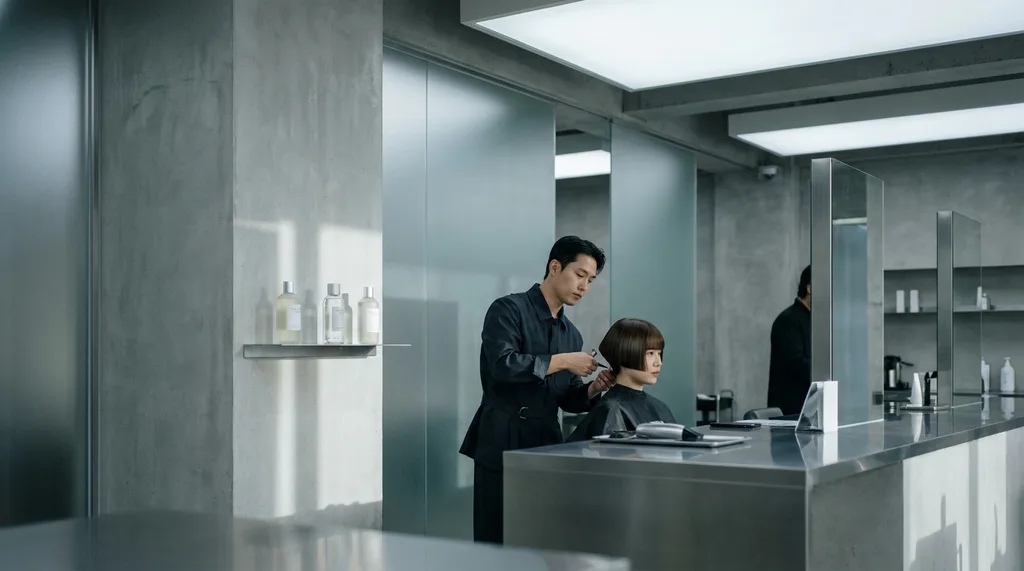
If you are a man reading this, you have likely spent half your life battling hair that refuses to cooperate. You wash it, you blow-dry it, you pile on expensive pomade, and yet, by 10:00 AM, your side hair is puffing out like a startled cat. You’ve likely blamed your barber, your genetics, or the humidity. But the reality is simpler: your hair is biologically engineered to grow perpendicularly from your scalp, and no amount of "strong hold" wax is going to change that.
In Seoul, we stopped fighting this years ago. Instead, we use chemistry to force the hair into submission. It is called the Down-perm, and it is the reason you can spot a well-groomed Korean man from across a crowded subway station. It is not a miracle; it is a structural redesign.
Key Takeaways * The Down-perm is a chemical restructuring process that flattens side hair by breaking and reforming disulfide bonds, not just a surface-level styling trick. * Professional results require a rigorous 3-4 week maintenance cycle and strict scalp recovery to prevent long-term damage from TGA-based chemicals. * "Natural" looks are achieved through precise technical application, making this a high-maintenance investment for those seeking a sharp, sleek silhouette.
The Chemistry of Control
The Down-perm is not a perm in the traditional sense of adding curls; it is a surgical strike on the hair’s internal architecture. Your hair’s rigidity comes from disulfide bonds, the molecular "scaffolding" that gives every strand its strength and direction.
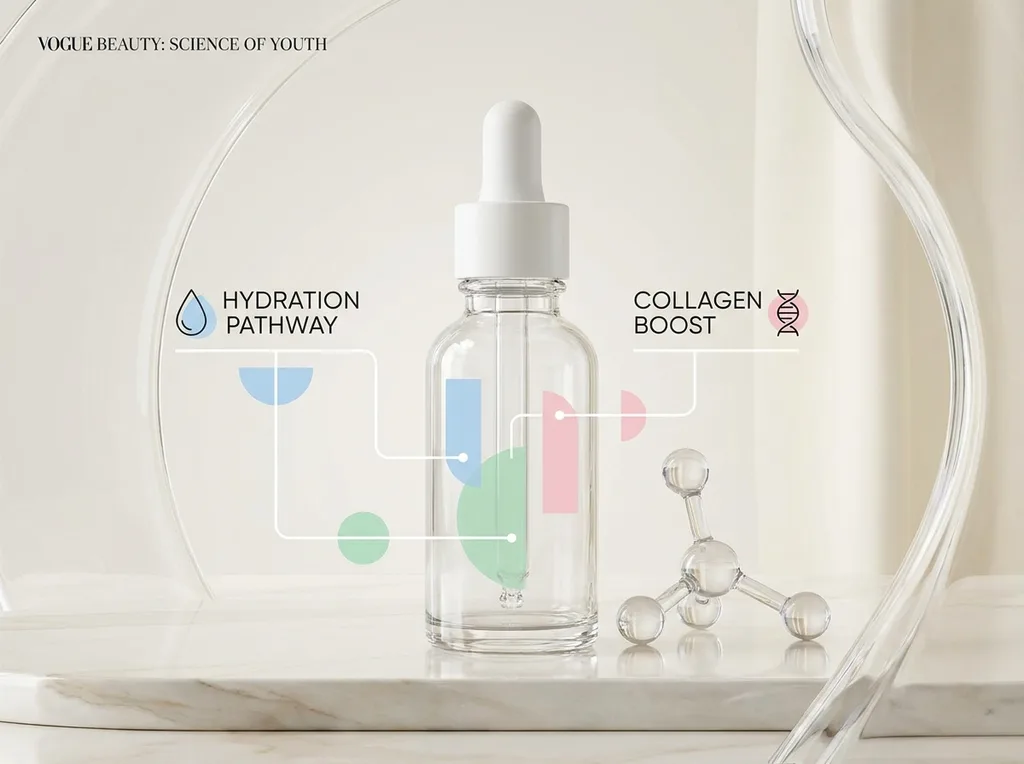
When a stylist applies the Down-perm solution—usually containing Thioglycolic Acid (TGA)—they are intentionally cleaving these bonds. This is known as Yeonhwa (softening). Once these bonds are dismantled, your hair becomes as malleable as clay. The stylist then physically presses the hair against your skull, "wrapping" it to the desired shape before applying a neutralizer. This second step is the lock, reforming the bonds in their new, flatter orientation.
If you are tempted to buy a kit and do this in your bathroom, stop. The margin for error is razor-thin. TGA is a potent reducing agent; if it touches your scalp for even a few minutes too long, you aren't just looking at a bad haircut—you are looking at chemical burns and thinning patches that can take months to recover.
The Cost of the "Clean Look"
The Down-perm is the ultimate Kku-an-kku (effortless style) secret, but "effortless" is a misnomer. Because human hair grows at a rate of approximately 1cm per month, the pristine, flattened look you leave the salon with will begin to "bloom" outward in less than four weeks.
[K-Beauty 101] Down-perm (다운펌) — A specialized Korean styling procedure that flattens side hair to create a sleek head shape. It represents the intersection of aesthetic desire and chemical necessity.
To keep that sharp silhouette, a salon visit is required every 3 to 4 weeks. Factor in the cost of professional application—which covers the expertise needed to section hair without leaving unsightly clips or indentations—and you are looking at a permanent line item in your monthly grooming budget. It is a high-maintenance commitment, but for those who value the "small head" effect that defines the modern K-grooming aesthetic, it is considered the most efficient investment you can make.
The Recovery Protocol: Why Your Scalp Matters
After the chemicals are rinsed away, your scalp is in a state of crisis. It has been exposed to a pH environment it wasn’t designed for. This is where the Western "masculine" approach—which usually involves aggressive, high-detergent soaps—fails miserably.
In Korea, the post-perm routine is treated with the same respect as a skincare regimen. You do not touch your hair with harsh shampoos for at least 48 hours. When you do return to cleansing, we prioritize Eoseongcho (Houttuynia cordata) and Centella Asiatica (Cica). These ingredients are not just marketing buzzwords; they are essential anti-inflammatory agents that calm the post-chemical heat. If you walk into an Olive Young, you will see rows of "recovery" cleansers specifically formulated to be weakly acidic, protecting your moisture barrier while the hair structure settles.
🎵 K-Mono Lofi — Seoul Study Beats
Read deeper with Seoul lo-fi in the background — curated by K-Mono Lofi
Frequently Asked Questions
Can I use a regular hair wax to get the same effect as a Down-perm? No. Hair wax works by coating the hair shaft to provide surface-level tension. It cannot overcome the structural growth angle of your follicles. Wax provides temporary styling, while a Down-perm physically changes the direction of the hair growth.
How do I know if my scalp is too sensitive for this? If you have a history of contact dermatitis or chronic scalp inflammation, you should consult a dermatologist before attempting a chemical perm. Always perform a patch test on a small section of hair behind your ear to observe your skin's reaction to the TGA solution.
Is it really necessary to wait 48 hours to wash my hair? Yes. The disulfide bonds are in a delicate state of transition immediately after the neutralizer is applied. Washing your hair too soon with high-detergency shampoo can disrupt the reformation of these bonds, causing the perm to fail or, worse, causing the hair to kink in unpredictable directions.
How do I maintain the look between salon visits? Focus on scalp health. Avoid high-heat blow drying directly on the side hair, which can re-activate the frizz. Use a moisturizing, pH-balanced shampoo and consider a light, non-sticky hair oil to keep the cuticles smooth and flat.
⚠️ Disclaimer: This guide is for informational purposes only. The Down-perm involves potent chemical agents (TGA) that can cause significant skin irritation, burns, or hair breakage if applied improperly. Always seek a licensed, experienced professional in a reputable salon. If you experience burning, redness, or hair loss after a procedure, consult a board-certified dermatologist immediately. This article may contain affiliate links — if you buy through them, we may earn a small commission at no extra cost to you.
✓ Researched and compiled using verified data as of the publication date.
 Written by Jun Mi Jung for Quiet Korea | Contact: rsl.2001.1975@gmail.com