Why the Famous 10-Step Korean Skincare Routine Is Actually Ruining Your Skin

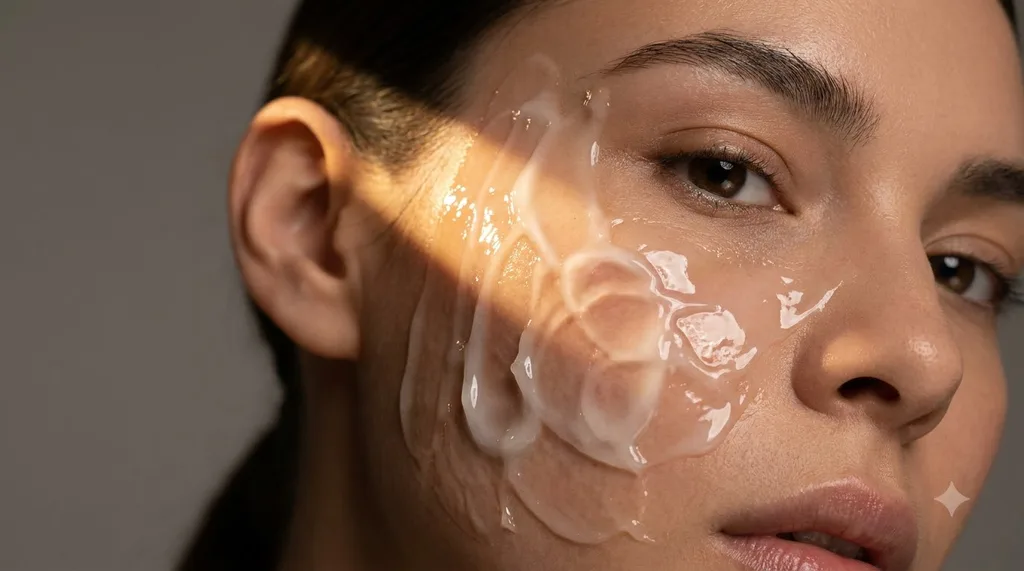
Serene, early morning golden hour light casting long shadows across warm beige stone tiles, evoking a tranquil modern sanctuary
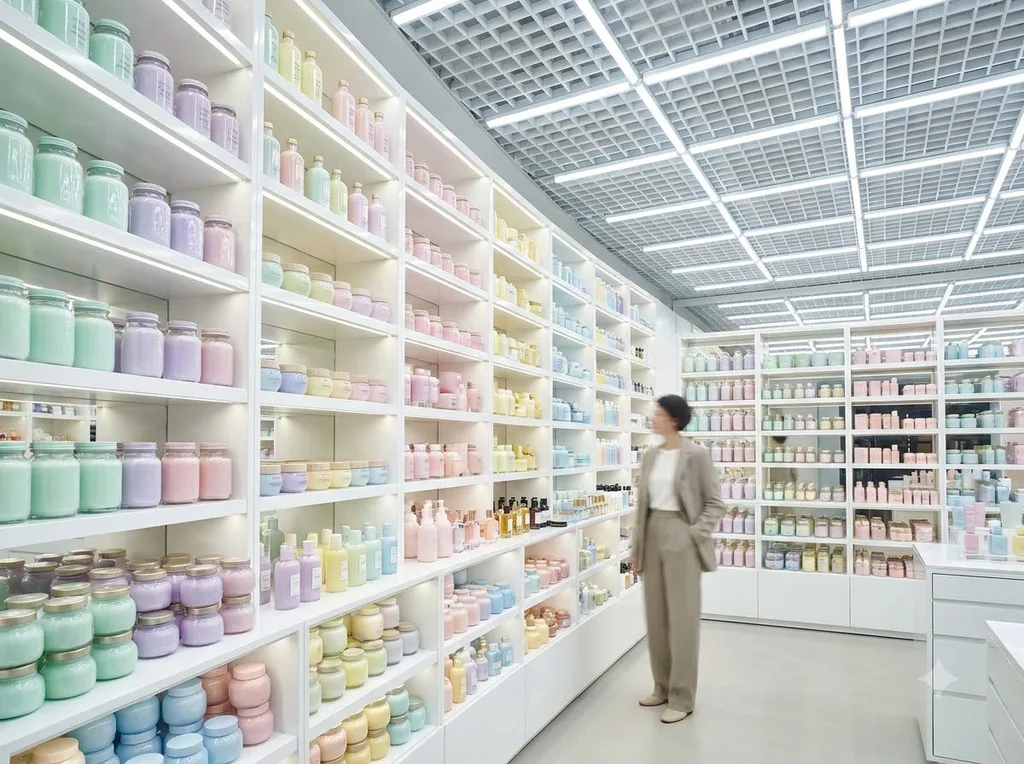
Walk into any Olive Young in Seoul at midnight, and the scene is always the same. Shelves are packed with rows of pastel bottles, and local shoppers navigate the crowded aisles with intense focus. To the uninitiated, the message seems clear: achieving the luminous, healthy glow known as *chok chok* skin requires a basket overflowing with products. For years, global beauty marketing has pushed the narrative that the secret to Korean skincare lies in a rigid, complex 10-step routine.
Vibrant, sensory overload of endless pastel-colored bottles and jars crammed onto bright retail shelving
But what if the very method promoted as the gold standard of skincare is actually the source of your persistent breakouts, redness, and irritation? The truth is that while global beginners are busy layering toner, essence, ampoule, serum, and multiple creams, seasoned Korean beauty insiders are doing the exact opposite. They know that the real magic of K-Beauty is not about relentless addition, but about a highly calculated, protective minimalism. > **Key Takeaways** > * **The Multi-Step Trap:** Layering ten different products often triggers cosmetic contact dermatitis and weakens the skin barrier rather than strengthening it. > * **The Functional Truth:** South Korean skincare is governed by strict regulatory frameworks that validate active ingredients, meaning you only need one verified functional step instead of overlapping essences, serums, and ampoules. > * **Minimalist Recovery:** When skin is irritated, the optimal course is immediate reduction to a gentle cleanse and a barrier-mimicking lipid formula. --- ## The Layering Illusion: Why More Products Do Not Mean Better Skin
Clinical, analytical mood emphasizing the heavy buildup of redundant chemical layers
The saturation trap: flooding the stratum condum with redundant essences and serums weakens intercellular cohesion.
The primary mistake made by skincare beginners—often referred to in Korea as *byu-al-mot*—is the assumption that every single step of the famous multi-step routine is mandatory. From a dermatological standpoint, layering five or six liquid steps before your moisturizer is not only redundant; it is a recipe for transepidermal disaster. The physical law of skincare layering is simple: products must be applied in order of increasing viscosity, moving from water-based formulations to oil-heavy occlusives. However, many global consumers do not realize that many of these steps are functionally identical. In the Korean market, "skin" and "toner" serve the exact same purpose—balancing the skin's pH and preparing it for hydration. Stacking them on top of each other does not double the hydration; it simply floods the stratum corneum with excess water, temporarily swelling the skin cells and making the barrier more vulnerable to external irritants. The same redundancy applies to the middle steps of the routine. Essences, serums, and ampoules are essentially different concentrations of the same vehicle. Stacking a hyaluronic acid essence, a niacinamide serum, and a propolis ampoule forces the skin to process an overwhelming cocktail of preservatives, emulsifiers, and active agents. According to Seoul-based dermatologists, this over-layering is the leading cause of cosmetic-induced contact dermatitis and perioral dermatitis. When the skin is continuously saturated, its natural lipid matrix begins to degrade, leading to a compromised barrier that can no longer retain moisture on its own. To illustrate how the marketing myth of the multi-step routine compares to actual clinical advice, consider the structural differences below:

⚠️ The Multi-Step Marketing Myth

1. Oil Cleanser
2. Water Cleanser
3. Exfoliator
4. Hydrating Toner
5. Treatment Essence
6. Active Serum
7. Target Ampoule
8. Sheet Mask
9. Eye Cream
10. Heavy Moisturizer

✅ The Clinical Barrier-First Reality

1. Gentle Wash: A single, non-stripping water-based or mild gel cleanser.

2. Hydration/Prep: One lightweight hydrating toner or watery essence.

3. Target Treatment: One single concentrated functional serum (e.g., Retinol or Vitamin C).

4. Protect: A barrier cream mimicking natural skin lipids.

--- ## The Science of Safety: How Korea's Strict Regulations Protect Your Barrier
Scientific, pristine, and strictly regulated laboratory environment with brushed steel and white surfaces
Rigorous compliance: South Korea's MFDS regulatory standards ensure proven clinical efficacy without layer stacking.
If a ten-step routine is not the secret, then why does K-Beauty consistently deliver such remarkable results? The answer lies not in the quantity of products, but in the rigorous regulatory standards of South Korea's Ministry of Food and Drug Safety (MFDS). Unlike other global beauty markets where skincare claims are loosely regulated under general cosmetics guidelines, South Korea maintains a strict division between general cosmetics and "functional cosmetics." To claim that a product brightens skin, reduces wrinkles, or protects against UV radiation, manufacturers must submit detailed clinical evaluation data to the MFDS. Alternatively, they must formulate using standardized percentages of ingredients recognized by the Korean Functional Cosmetics Codex (KFCC), such as adenosine for wrinkle reduction or niacinamide for hyperpigmentation. This strict regulatory environment is the real reason behind the explosive growth of the Korean skincare industry, which has seen its global market scale rise to billions of dollars, alongside a staggering 57% year-over-year export growth to the United States. When a consumer buys an MFDS-approved functional product, they are purchasing a formula that has been legally required to prove its efficacy. Because these individual products are so highly optimized and potent, you do not need to stack multiple layers to see results. A single, well-formulated, functional moisturizer or serum is scientifically engineered to deliver its active ingredients deep into the epidermis without requiring a supporting cast of five other products.

๐ŸŽต  K-Mono Lofi — Seoul Study Beats

Read deeper with Seoul lo-fi in the background — curated by K-Mono Lofi
--- ## When More Becomes Too Much: The Danger of Over-Care
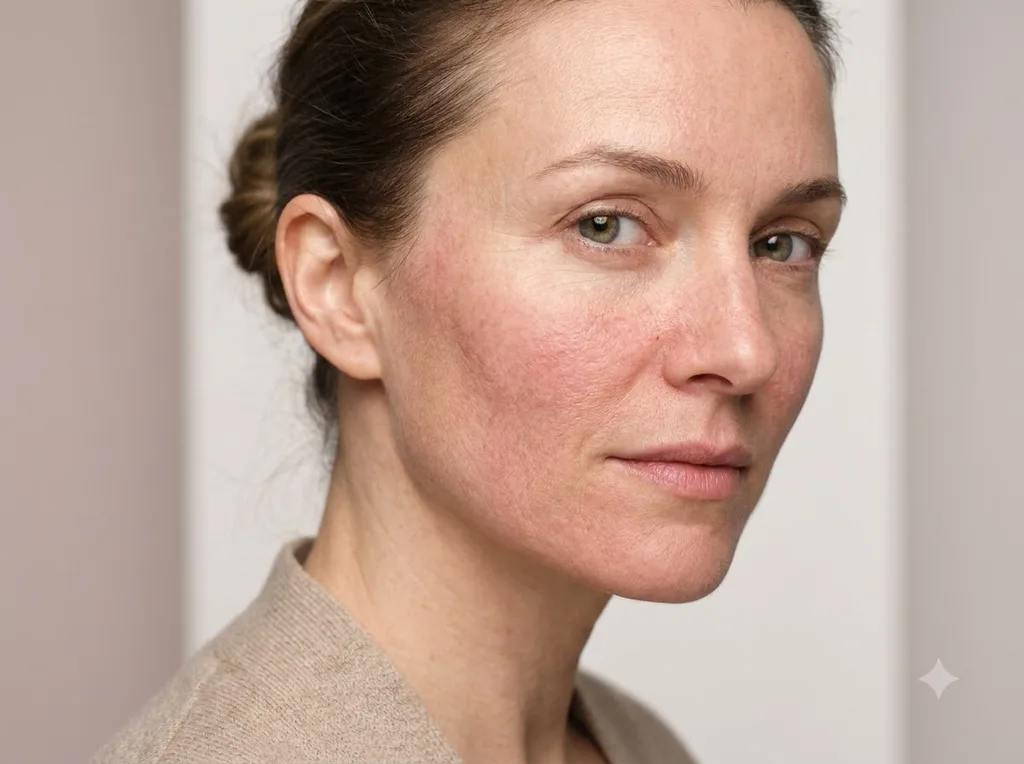
Vulnerable, honest, and raw clinical presentation focusing on skin distress
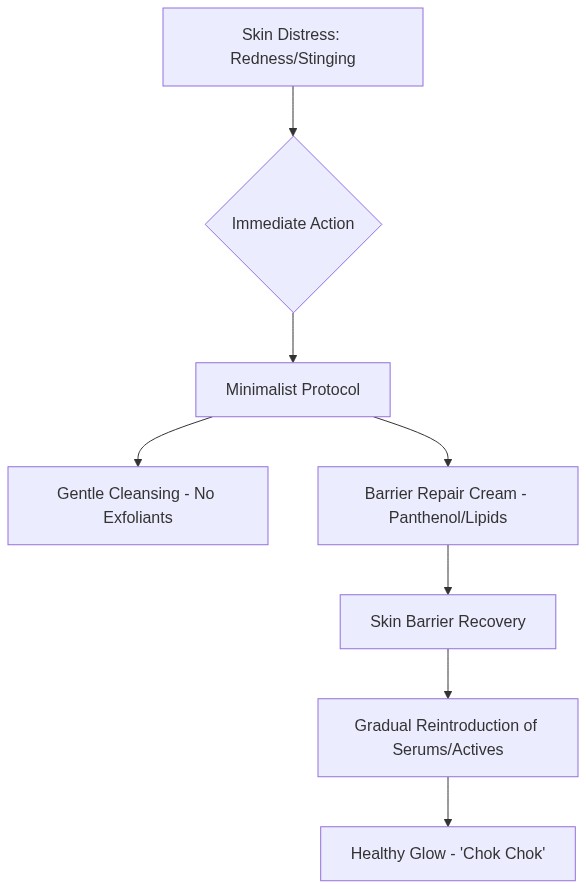
In the quest for flawless skin, it is easy to fall into the trap of over-treating. In the Korean beauty community, this phenomenon is deeply studied, and experts warn against the physical damage it causes to the delicate facial microbiome. > **[K-Beauty 101]** *Over-care (O-beo-ke-eo)* — The practice of applying excessive skincare steps or harsh active ingredients that overwhelm the skin, ultimately damaging the natural lipid barrier and causing chronic inflammation. When skin is subjected to constant *o-beo-ke-eo*, the signs of distress are often mistaken for acne or dry skin, prompting beginners to apply even more products. If your skin feels tight after washing, stings when you apply simple moisturizers, or exhibits persistent, warm redness, your barrier is likely compromised. During these periods of acute distress, Korean dermatologists recommend an immediate "skin rest period." This means stripping your routine down to two core goals: gentle cleansing and biological barrier restoration. To repair a broken barrier, you must look for ingredients that mimic the skin's natural intercellular lipids. > **[K-Beauty 101]** *Sekolji (Se-kol-ji)* — An acronym for Ceramides (Se), Cholesterol (Kol), and Fatty Acids (Ji). This trio represents the essential lipids that make up the intercellular cement of a healthy skin barrier. When the barrier is damaged, the spaces between your skin cells are left open, allowing moisture to escape and irritants to enter. Applying a cream formulated with *sekolji* helps patch these microscopic holes. Combined with panthenol—ideally at a concentration of 1% to 10%—the skin is given the structural building blocks it needs to regenerate. The clinical recovery process for compromised skin follows a highly structured, sequential pathway back to health, as outlined by Seoul dermatologists:
Mermaid Diagram
During this recovery phase, avoid any products containing physical scrubs, high-strength alpha-hydroxy acids (AHAs), or drying alcohols. Your skin does not need to be scrubbed into submission; it needs to be allowed to heal. --- ## Frequently Asked Questions ### Can I completely skip the double-cleansing method? Yes. While double-cleansing is highly effective for removing heavy makeup, water-resistant physical sunscreens, and excess sebum, it is not always necessary for a morning routine or for those who do not wear heavy makeup. If your skin is dry or highly sensitive, a single, gentle, water-based cleanser in the evening is often sufficient and prevents stripping away your natural oils. ### How do I know if I am using too many products? If your skin exhibits unexplained redness, a burning or stinging sensation when applying gentle moisturizers, or a sudden onset of tiny, itchy bumps (which can indicate perioral dermatitis or a compromised barrier), you are likely experiencing skincare overload. A healthy skin barrier should feel comfortable and resilient, not constantly sensitive. ### What is the difference between a regular moisturizer and a barrier cream? A standard moisturizer focuses primarily on hydrating the upper layers of the skin (using humectants like glycerin) and sealing in that moisture (using occlusives like petrolatum). A true barrier-repair cream goes a step further by containing bio-identical lipids—specifically ceramides, cholesterol, and fatty acids—which actively integrate into the skin’s damaged lipid matrix to repair its protective shield. ### How long does it take for a damaged skin barrier to heal? With a strict, minimalist routine focusing entirely on hydration and barrier-mimicking lipids, it typically takes between two to four weeks for the stratum corneum to undergo a full cellular turnover cycle and repair itself. During this time, all active ingredients like retinol, vitamin C, and exfoliating acids should be completely paused. --- This article may contain affiliate links — if you buy through them, we may earn a small commission at no extra cost to you.
✦ Partner Recommendation

Explore Barrier Repair Creams

To heal a compromised barrier, prioritize minimal formulas rich in ceramides, cholesterol, and panthenol. Compare these verified options to find your skin

--- > **⚠️ Disclaimer:** The information provided in this article is for educational and informational purposes only and should not be construed as professional medical advice, diagnosis, or treatment. Always seek the advice of a board-certified dermatologist or other qualified healthcare provider with any questions you may have regarding a medical skin condition or before starting a new skincare regimen.