The Shift to Clinical Recovery: Why Seoul's Savviest Consumers Are Abandoning Simple Hydration in 2026

Walk into any flagship beauty store in Seoul's bustling shopping districts at midnight, and the atmosphere feels less like a traditional cosmetics boutique and more like a high-tech wellness apothecary. Shelves once crowded with basic multi-step hydrating toners are now dominated by clinical-grade ampoules, bio-transformed serums, and microscopic delivery systems. This is not a subtle shift; it is a profound transformation in how the beauty capital of the world defines healthy skin.
- The Silent Struggle of Sok-Geonjo and the Clinical Evolution
- Demystifying the Cellular Repair Matrix: PDRN vs. Exosomes
- The Hidden Cost of Skincare Overload
- Designing the Perfect Morning Foundation: The Hwajalmeok Standard
- Explore Restorative Clinical Skincare
- Frequently Asked Questions
- Can I use PDRN and Exosome products every day?
- How do I know if I am suffering from Sok-geonjo (inner dryness)?
- Are micro-spicule products safe for sensitive, acne-prone skin?
For years, global audiences chased the superficial, dew-drenched aesthetic of surface-level hydration. But behind closed doors, Korean skincare researchers and clinical dermatologists were observing a quiet crisis. Millions of consumers, in their pursuit of an instant glow, were over-stripping their skin barriers, masking chronic inflammation with heavy silicones, and ignoring deep-seated cellular damage. Today, the collective focus has moved from temporary aesthetic shine to true biorevitalization—restoring the skin from the inside out using cellular-grade molecules once reserved exclusively for dermatology clinics.
Key Takeaways * The Death of Surface-Only Glow: The classic 10-step routine is being replaced by targeted, high-efficiency "medicosmetics" that address cellular repair rather than superficial shine. * The Rise of Clinical Bio-actives: Ingredients like clinical-grade PDRN (derived from salmon DNA) and ultra-small Exosomes are leading the 2026 formulation wave to trigger deep dermis regeneration. * The Danger of Over-Care: Seoul dermatologists warn that stacking too many active ingredients or misusing micro-spicule products can easily damage compromised skin barriers.
The Silent Struggle of Sok-Geonjo and the Clinical Evolution
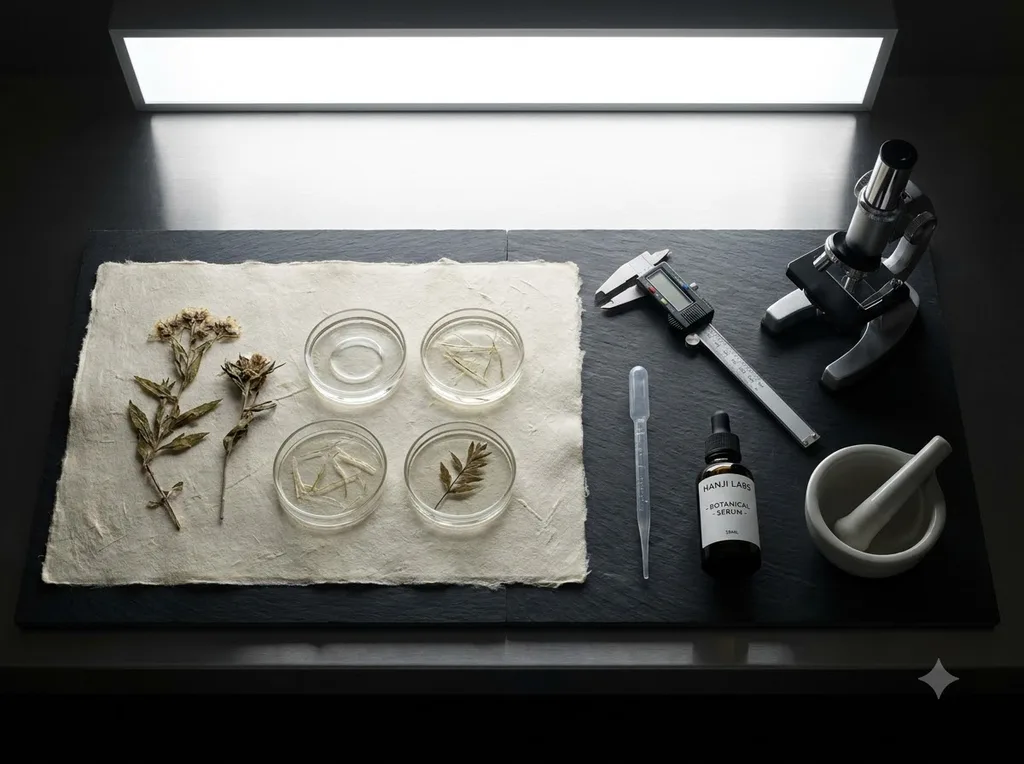
To understand why the beauty landscape has shifted so dramatically, one must look at the unique skin challenges voiced by local consumers. For years, the global community marvelled at the flawless complexions seen on Seoul's streets, assuming it was the result of simple hydration layering. However, database analysis of user reviews in Korea tells a very different story. The primary complaint among modern consumers is a persistent, frustrating condition known as inner dryness.
[K-Beauty 101] Sok-geonjo (Sok-geonjo) — Inner dryness. This describes a frustrating skin state where the surface appears normal or even oily due to sebum overproduction, while the deeper layers of the epidermis remain completely parched, leading to tightness, premature fine lines, and chronic irritation.
For those experiencing this issue, stacking lightweight water-based toners does little to help. When the skin barrier is compromised, water simply evaporates into the air, leaving the skin feeling tight and irritated beneath a superficial film. This realization has fueled an unprecedented surge in demand for clinical formulations. According to industrial trade data, South Korea's cosmetics exports reached a record-breaking $7 billion in the first half of 2026 alone, driven by a massive 53% surge in global demand for high-performance, restorative skincare.
This market is no longer driven by passive consumption. The primary demographic—young adults aged 18 to 34, who make up roughly 60% of the active consumer base—functions as a highly analytical collective. They read ingredient lists with the precision of formulation chemists, searching for verifiable active concentrations and clinically proven delivery mechanisms.
🎵 K-Mono Lofi — Seoul Study Beats
Read deeper with Seoul lo-fi in the background — curated by K-Mono Lofi
Demystifying the Cellular Repair Matrix: PDRN vs. Exosomes
The true stars of the 2026 formulation revolution are bio-compatible cell-signaling molecules. Chief among these is PDRN (Polydeoxyribonucleotide), a DNA fragment harvested from salmon or trout that closely mimics human cellular structures. Rather than merely sitting on top of the skin to prevent moisture loss, PDRN functions as a cellular "rebuild" switch, communicating directly with fibroblasts to stimulate collagen synthesis and accelerate wound healing.
Alongside PDRN, Exosomes have emerged as the gold standard for targeted ingredient delivery. These microscopic extracellular vesicles function as biological envelopes, carrying proteins, lipids, and growth factors directly to damaged cells.
To understand how these technologies differ and where they fit into a modern routine, we can look at their physical properties and primary modes of action:
🧬 PDRN (Polydeoxyribonucleotide)
Acts as a biological rebuild switch. Typically formulated at concentrations of 5,000 to 10,000 ppm, it works at the cellular level to stimulate collagen synthesis and repair deep structural damage.
✉️ Exosomes (Cellular Messengers)
Microscopic lipid bubbles measuring just 30 to 150 nanometers. They easily bypass the skin's surface defense systems to deliver signaling proteins, accelerating texture refinement and barrier recovery.
In Seoul’s leading aesthetic clinics, dermatologists point out that while PDRN provides the raw structural blueprint for tissue regeneration, exosomes act as the efficient messengers that ensure the message is delivered to the right cells at the right time. When these two components are combined, they create a highly effective system for reversing environmental damage and calming chronic, low-grade inflammation.
| Active Component | Optimal Delivery Concentration | Primary Target | Best Suited For |
|---|---|---|---|
| PDRN | 5,000 – 10,000 ppm | Dermal fibroblasts & collagen matrix | Loss of elasticity, deep expression lines, acne scarring |
| Exosomes | Nano-particles (30–150 nm) | Intercellular communication pathways | Texture irregularities, persistent redness, barrier fatigue |
| Micro-Spicules | Controlled physical micro-channels | Epidermal absorption pathways | Enhancing delivery of heavy macromolecular actives |
The Hidden Cost of Skincare Overload
However, this transition to clinical-grade skincare is not without its risks. The pursuit of rapid, visible transformations has led to a rising clinical concern known as skincare overload.
In their eagerness to achieve dramatic results, many beauty enthusiasts make the mistake of layering multiple highly concentrated active ingredients—such as combining high-percentage acids, retinoids, and physical penetration enhancers like micro-spicules (microscopic, mineral-rich needle-like structures derived from sea sponges) all in a single evening.
[K-Beauty 101] Ko-deok (Ko-deok) — A portmanteau of "Cosmetic" and "Deokhu" (otaku/geek). These highly knowledgeable beauty obsessives serve as the ultimate quality gatekeepers in the Korean market, analyzing ingredient safety profiles and sharing unbiased, data-driven reviews.
When micro-spicules are used incorrectly on a skin barrier that is already thin or compromised, they do not help active ingredients penetrate better; instead, they create micro-tears that invite irritation, trigger contact dermatitis, and worsen the very redness they were meant to soothe.
Seoul’s leading skin health experts emphasize that true clinical recovery requires a disciplined, barrier-first approach. Active cellular repair should always be supported by biocompatible lipids—such as ceramides, panthenol, and madecassoside—to keep the skin's protective lipid envelope intact.
Designing the Perfect Morning Foundation: The Hwajalmeok Standard
In the modern morning routine, the ultimate measure of skin health is no longer a heavy, reflective shine. Instead, it is a state known as makeup-adherence. This describes a smooth, balanced, and perfectly hydrated canvas that allows cosmetic formulations to sit naturally on the skin without slipping, caking, or oxidizing throughout the day.
[K-Beauty 101] Hwajalmeok (Hwajalmeok) — Literally meaning "makeup-adhering skin." This refers to a smooth, plump skin texture with balanced oil-water levels, which serves as the ultimate goal for morning skincare routines.
Achieving this state requires a careful balance of lightweight hydration and structural support. Rather than relying on heavy, occlusive creams that can cause makeup to pill, savvy consumers use synergistic pairings—referred to as honey-combos—to lock in deep moisture without adding unnecessary weight.
A classic example of this approach is pairing a lightweight, panthenol-rich hydrating fluid with a concentrated PDRN ampoule. The panthenol immediately binds water to the outer layers of the skin, while the PDRN works beneath the surface to strengthen the skin's matrix, ensuring a smooth, plump, and long-lasting finish.
This article may contain affiliate links — if you buy through them, we may earn a small commission at no extra cost to you.
Frequently Asked Questions
Can I use PDRN and Exosome products every day?
Yes, biocompatible cell-signaling ingredients like PDRN and exosomes are generally very well tolerated and can be used daily. Unlike strong acids or retinoids, they do not thin the skin or cause peeling; instead, they work to repair and rebuild the skin barrier, making them safe for both morning and evening routines.
How do I know if I am suffering from Sok-geonjo (inner dryness)?
If your skin looks shiny or feels oily on the surface but feels tight, dry, and uncomfortable underneath—especially after cleansing—you are likely dealing with inner dryness. This indicates a compromised lipid barrier that is struggling to retain moisture in the deeper layers of the epidermis.
Are micro-spicule products safe for sensitive, acne-prone skin?
While micro-spicules can help clear pores and improve ingredient absorption, they should be used with caution. If you have active, inflamed acne, open wounds, or a highly sensitive skin barrier, you should avoid micro-spicules, as the physical irritation can spread bacteria and worsen underlying inflammation.
⚠️ Disclaimer: The information provided in this article is for educational and informational purposes only and should not be construed as professional medical advice. Always consult with a board-certified dermatologist or qualified healthcare provider before introducing high-concentration clinical actives or physical treatment products into your skincare routine, especially if you have an underlying skin condition.
✓ Researched and compiled using verified data as of the publication date.
 Written by Jun Mi Jung for Quiet Korea | Contact: rsl.2001.1975@gmail.com