Stop Calling It a Miracle: The Engineered Reality Behind K-Beauty’s Flawless Polish
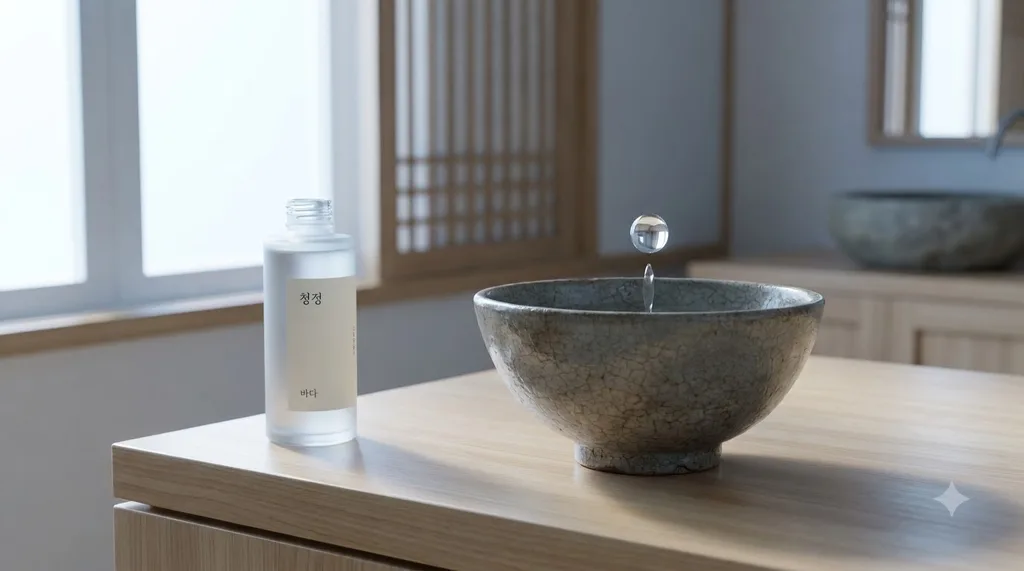
Walk into any Olive Young in Gangnam at midnight. The fluorescent lights hum over rows of immaculate glass bottles, casting a sterile glow on exhausted office workers who are systematically analyzing ingredient lists on their phones. They are not enjoying a peaceful self-care ritual. They are optimizing a biological asset. In Seoul, a flawless complexion is not a hobby—it is a baseline requirement in a hyper-competitive society.
- The Standardized Machine: Inside the MFDS Regulatory Matrix
- The Soft Power of Brightness: The Untamed Whitening Cult
- The Architecture of Anxiety: Lookism and the Cost of Perfection
- The Chemical Watchdogs: Navigating Ingredient Safety
- How to Engage with K-Beauty Ethically and Safely
- Explore Barrier-Safe K-Beauty Products
- Frequently Asked Questions
- Is "brightening" in K-Beauty different from "whitening"?
- Why do Korean cosmetics have such limited shade ranges?
- How does the Hwahae app affect product formulations?
The global beauty landscape has long romanticized Korean skincare as an ancient, holistic philosophy of self-love and natural radiance. But those who look closer at the engine running this industry find a different story. The pristine "glass skin" exported to the West is the highly engineered byproduct of a national economic strategy, a strict government regulatory matrix, and an intense social pressure system that commodifies human appearance. Loving K-Beauty means seeing it clearly: both as a triumph of cosmetic chemistry and as a brilliant response to deep-seated societal anxieties.
Key Takeaways * State-Engineered Innovation: K-Beauty’s rapid product cycles are not accidental; they are driven by a highly structured government framework that codifies and accelerates functional cosmetic development. * The Anxiety Economy: The industry thrives on a structural ecosystem of lookism (oemmo chabyeol), where physical appearance directly impacts employment opportunities and social mobility. * The Whitening Paradox: Despite global rebranding efforts shifting language from "whitening" to "brightening," the core formulation pipeline remains deeply anchored in melanin-suppressing chemistry.
The Standardized Machine: Inside the MFDS Regulatory Matrix
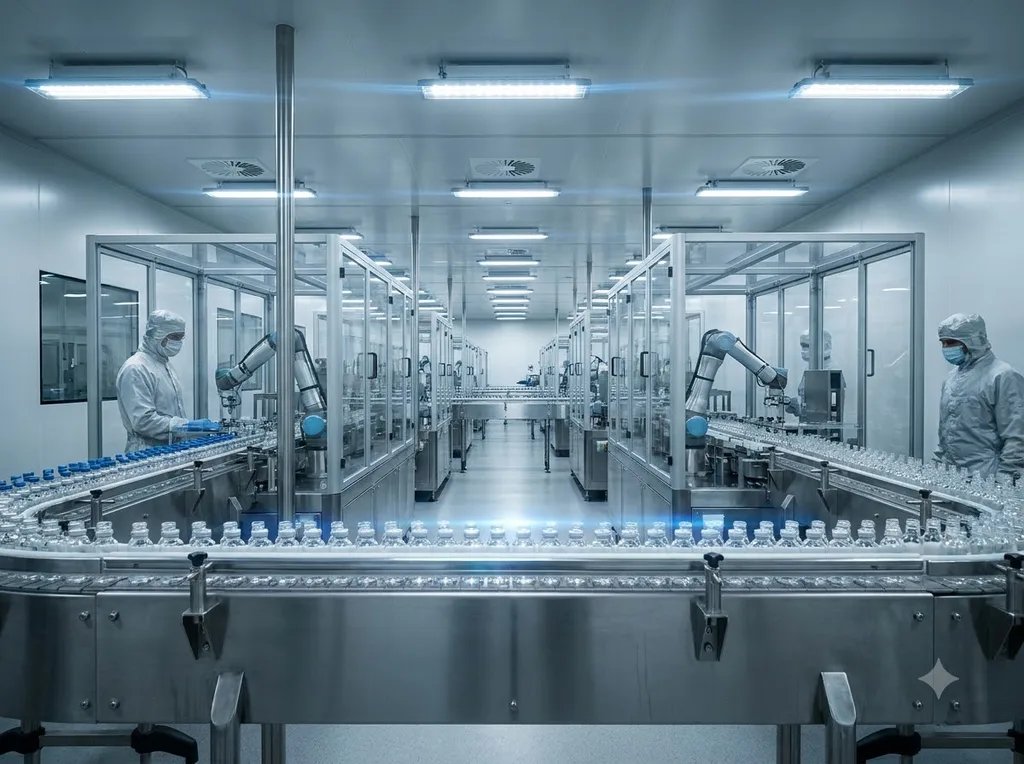
Most skincare consumers believe that K-Beauty's rapid-fire innovation is driven purely by creative laboratory chemists. In reality, the entire market is guided by a rigid, paternalistic regulatory framework managed by the Ministry of Food and Drug Safety, known locally as the Sikpum-Uiryak-Anjeon-Cheo.
Unlike Western markets where cosmetic brands operate under post-market surveillance systems, Korea employs a proactive classification known as Gineungseong Hwajangpum (Functional Cosmetics). If a brand wants to claim that a product reduces wrinkles, brightens skin tone, or prevents hair loss, it cannot simply rely on marketing flair. It must submit rigorous dossier testing or strictly adhere to the government's pre-approved ingredient concentrations.
For instance, to claim a whitening effect, a formula must contain precisely 2% to 5% Niacinamide. To claim wrinkle reduction, it must feature 0.04% Adenosine. This creates an incredibly standardized baseline. It is why so many Korean serums feel and perform similarly—they are built from the same government-mandated playbook.
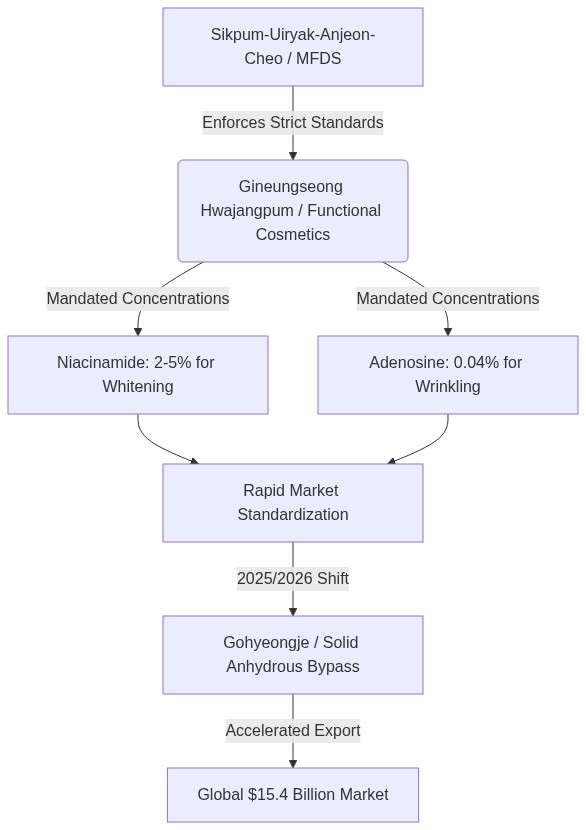
This regulatory paternalism keeps consumers remarkably safe from dangerous formulation experiments, but it also forces brands to innovate within highly restricted boundaries. To maintain its global competitiveness (gyeongjaengryeok), the industry constantly seeks regulatory loopholes to exploit.
A major shift in late 2025 allowed Gohyeongje (solid-form, waterless cosmetics like powder washes and solid balm sticks) to bypass lengthy, expensive clinical evaluations if they utilize standard pre-notified ingredients. This structural loophole triggered a gold rush of anhydrous, waterless beauty bars in 2026, marketed as "eco-friendly" innovations when they were primarily designed to get products to market faster and cheaper.
The Soft Power of Brightness: The Untamed Whitening Cult
The most complex and culturally charged corner of the Korean beauty industry is the category of hwaiteuning (whitening). To a global audience, this category is often rebranded under softer, more palatable terms like "brightening," "translucency," or "radiance." Yet, the chemical pathways in the bottles remain exactly the same: the suppression of melanin synthesis.
[K-Beauty 101] 화이트닝 (hwaiteuning) — Skin-whitening products designed to reduce melanin production. Rooted in pre-colonial class structures where pale skin signaled exemption from manual labor, it was later reinforced by colonial-era dynamics and modern media. Today, it remains one of the highest-selling yet most culturally contested categories in Korean cosmetics.
To understand the persistence of whitening products, one must understand that this standard is older than Western influence. In traditional agrarian Korea, pale skin was a sign of aristocratic wealth—proof that you spent your days inside, sheltered from the burning sun. Modern marketing has simply weaponized this ancient class signifier, merging it with contemporary corporate expectations.
While international consumers look for ingredients like Centella Asiatica to soothe redness, the domestic Korean market remains heavily anchored in tyrosinase inhibitors designed to stop pigment production before it ever reaches the skin's surface.
<div style="display:flex;flex-wrap:wrap;gap:16px;margin:28px 0;">
  <div style="flex:1;min-width:260px;background:#f9f9f9;border:1px solid #e0e0e0;border-radius:8px;padding:18px 20px;">
    <p style="font-weight:700;color:#222;margin:0 0 8px;">The Global Rebrand</p>
    <p style="font-size:14px;color:#555;margin:0;line-height:1.6;"><strong>"Brightening & Glass Skin"</strong><br>Marketed overseas as a journey toward health, dewiness, and a natural, light-reflective glow that emphasizes hydration over pigment alteration.</p>
  </div>
  <div style="flex:1;min-width:260px;background:#fff5f5;border:1px solid #ffd1d1;border-radius:8px;padding:18px 20px;">
    <p style="font-weight:700;color:#c62828;margin:0 0 8px;">The Domestic Reality</p>
    <p style="font-size:14px;color:#c62828;margin:0;line-height:1.6;"><strong>"Hwaiteuning (Whitening)"</strong><br>Formulated with strict tyrosinase inhibitors to actively suppress melanin. Driven by deep cultural associations of pale skin with high social status and youth.</p>
  </div>
</div>
This focus on flawless porcelain skin creates a massive blind spot in shade inclusivity. Even as global demand pushes K-Beauty into new markets, many domestic brands refuse to formulate cushion compacts or foundations beyond three incredibly pale, pink-to-beige shades. The message is silent but unmistakable: the aesthetic is exclusionary by design.
The Architecture of Anxiety: Lookism and the Cost of Perfection
The global narrative portrays the Korean skincare routine as a form of meditative wellness. But within Korea, beauty is frequently treated as a form of professional labor and civic duty. The structural driver of this industry is a phenomenon known as oemmo chabyeol (lookism).
[K-Beauty 101] 외모 차별 (oemmo chabyeol) — Lookism or appearance-based discrimination. In South Korea, where resume photos are standard and physical appearance is openly discussed in hiring decisions, maintaining a pristine appearance is viewed as a form of professional competency and personal discipline.
🎵 K-Mono Lofi — Seoul Study Beats
Read deeper with Seoul lo-fi in the background — curated by K-Mono Lofi
In a society where university graduates face an intensely saturated job market, every competitive edge matters. Recruiters and HR managers openly assess a candidate’s "impression" (인상), which is heavily determined by clear skin, symmetrical features, and an overall polished presentation. Skin issues are often interpreted not as genetic bad luck, but as a lack of self-discipline and diligence.
This environment has turned skincare and seonghyeong (cosmetic surgery) into logical, defensive investments. When your employment prospects are tied to your jawline and your complexion, spending hours layering toners and undergoing frequent laser treatments at Gangnam clinics is no longer a luxury—it is a survival strategy.
This beauty anxiety ecosystem is highly lucrative. With the global K-Beauty market valued at approximately $15.4 Billion in 2026 and projected to climb to $42.62 Billion by 2033, the financial stakes are immense. The industry has successfully exported this high-maintenance standard to the rest of the world, rebranding a system of social survival as an aspirational lifestyle of "glass skin."
The Chemical Watchdogs: Navigating Ingredient Safety
To survive this high-pressure environment, Korean consumers have developed a healthy skepticism toward brand claims. They do not trust advertisements; they trust data. This collective skepticism birthed Hwahae, a massive consumer-led ingredient analysis mobile application that has completely transformed how products are formulated.
Named after the Korean word for "reconciliation," Hwahae demystifies complex chemical listings, rating ingredients based on their hazard potential. This app has forced manufacturers to clean up their formulas. For instance, the MFDS strictly regulates potential irritants like Benzophenone-3, capping its concentration at 5% (and lowering it to 2.4% in specific formulas), and limits hair dye agents like 2,6-Bis(hydroxyethylamino) toluene to 1.0% due to nitrosamine concerns.
However, this hyper-vigilance has also created a culture of "ingredient fear-mongering." Many consumers now suffer from subun-ji (dehydrated oily skin) because they are so afraid of synthetic preservatives that they choose poorly stabilized, "all-natural" organic formulas that spoil quickly or contain high concentrations of sensitizing essential oils.
<details>
<summary style="cursor:pointer;font-weight:600;color:#c62828;padding:8px 0;">
  ⚠️ Irritation Warning: The Danger of the "All-Natural" Trend →
</summary>
<div style="padding:12px 0 0 16px;border-left:3px solid #ffd1d1;margin-top:8px;font-size:14px;color:#555;line-height:1.6;">
  In trying to avoid the 25 fragrance allergens identified by the MFDS (such as Limonene and Linalool), many brands have pivoted to raw botanical extracts. However, unrefined botanical extracts can contain hundreds of volatile compounds that trigger contact dermatitis. If you have a compromised skin barrier, a synthetic, clinically "bland" formula with standard preservatives is often far safer than an unstable organic oil blend.
</div>
</details>
Furthermore, the retail landscape—championed by giants like Olive Young—is aggressively pushing skinification, a strategy that extends sophisticated facial skincare chemistry into hair and body care. Consumers are now urged to treat their scalps with the same multi-step exfoliating, hydrating, and barrier-repairing steps once reserved for their faces. While this has produced highly innovative scalp scalers and ceramide body washes, it also increases the risk of cumulative skin sensitization from over-processing.
How to Engage with K-Beauty Ethically and Safely
If you love K-Beauty, you do not have to stop using it. Instead, you should learn to consume it as an informed adult who understands the difference between marketing fantasy and dermatological reality. Here is how to navigate the market without falling into its structural traps:
- Reject the 10-Step Narrative: The famous 10-step routine was largely a Western marketing construct designed to sell more product volume. Real Korean dermatologists advocate for "skin diet" practices—reducing your routine to a gentle cleanser, a reliable barrier support moisturizer, and a highly advanced SPF.
- De-couple Brightening from Whitening: Look for antioxidants like Centella Asiatica, Green Tea, and Licorice Root Extract which manage redness and environmental damage, rather than aggressively pursuing products designed purely to suppress your natural skin tone.
- Avoid the Clean-Beauty Trap: Do not throw away a product just because an app flags a synthetic preservative. A well-preserved, chemically stable formula is always safer than an unpreserved botanical concoction that harbors bacteria.
- Support Inclusive Brands: Vote with your wallet. Support Korean brands that actively expand their shade ranges and feature diverse skin types in their global campaigns.
This article may contain affiliate links—if you buy through them, we may earn a small commission at no extra cost to you.
Frequently Asked Questions
Is "brightening" in K-Beauty different from "whitening"?
Yes and no. While global marketing uses "brightening" to imply a healthy, hydrated glow, the underlying regulatory approval from the MFDS (Gineungseong Hwajangpum) often relies on the exact same active ingredients, like Niacinamide or Vitamin C derivatives, which function by regulating melanin synthesis.
Why do Korean cosmetics have such limited shade ranges?
The domestic Korean market remains heavily influenced by a singular aesthetic standard that equates pale skin with beauty and social status. Because domestic demand for darker shades is low, many brands prioritize high-volume production of light shades, though some export-focused brands are beginning to diversify.
How does the Hwahae app affect product formulations?
Hwahae has forced Korean manufacturers to eliminate common allergens and controversial preservatives. While this has made formulations gentler, it has also led to a rise in botanical alternatives that can sometimes be just as sensitizing for sensitive skin types.
⚠️ Disclaimer: The information provided in this article is for educational and informational purposes only and does not constitute medical advice. Always consult with a board-certified dermatologist before introducing highly active functional cosmetic ingredients into your routine, especially if you have an active skin condition or a compromised barrier.
✓ Researched and compiled using verified data as of the publication date.
 Written by Jun Mi Jung for K-Beauty Vault | Contact: rsl.2001.1975@gmail.com