The Secret to Glass Skin: Olive Young’s Best Inner Beauty Supplements
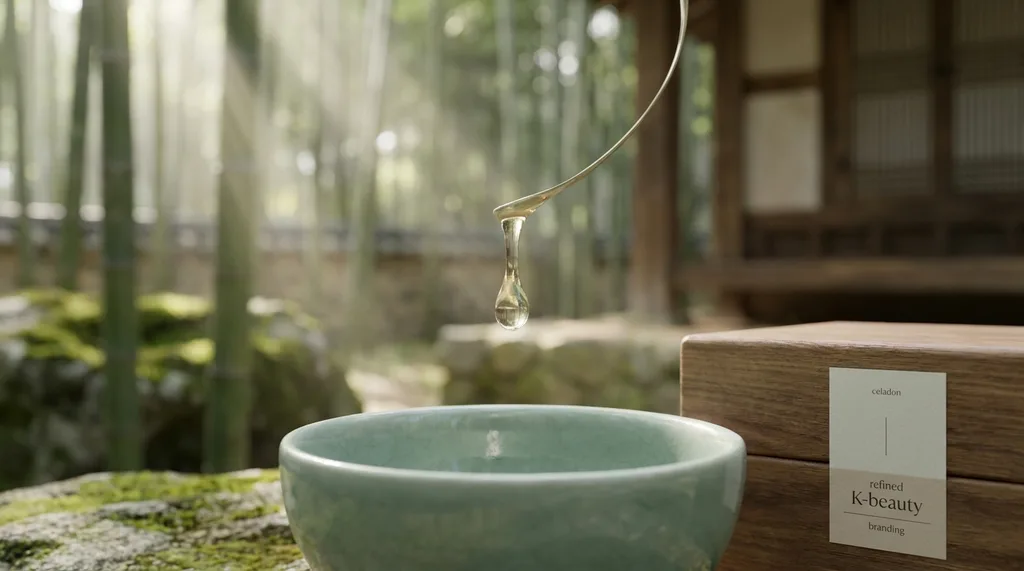
If you spend enough time in the aisles of an Olive Young in Seoul, you realize quickly that the "Glass Skin" phenomenon is rarely the result of a single serum. You see women in their 40s with skin that defies logic, and if you ask, they won’t point you to a $200 cream. They’ll point you to the supplement section near the checkout, where the logic of skincare shifts from topical application to systemic support. Yet, the global narrative often misses the point: K-Beauty isn't just about what you put on your face; it’s about a rigorous, data-driven approach to internal maintenance.
Key Takeaways * K-Beauty’s 'inner beauty' philosophy prioritizes the lipid barrier and cellular repair over superficial hydration. * Korean consumers treat supplements as 'home-clinicals,' using ingredient-focused, data-backed routines verified by platforms like Hwahae. * The goal is 'Hwajalmeok' (makeup-friendly skin)—a state achieved when the skin barrier is balanced from the inside out, reducing the need for heavy color cosmetics.
The Clinical Standard: Why Seoul Dermatologists Prescribe 'The Inside-Out'
In the high-stakes environment of Gangnam’s dermatology clinics, skin health is treated as a systemic biological project. When a patient presents with chronic inflammation or persistent Sok-geonjo (inner dryness), the recommendation rarely stops at a topical cream. It extends into the pharmacy.
Korean dermatology operates on the principle that the skin is the body's final recipient of nutrients. If your systemic lipid balance is compromised, no amount of expensive hyaluronic acid will fix the "leak." Korean practitioners often focus on specific anti-inflammatory and barrier-reinforcing compounds that target the body's inflammatory cascade before it manifests as surface redness or structural sagging. Unlike Western trends that often chase "superfoods," the Korean standard is rooted in Gineungseong Hwajangpum (functional) standards—a legal and clinical framework that demands evidence.
The Science of Internal Barrier Support
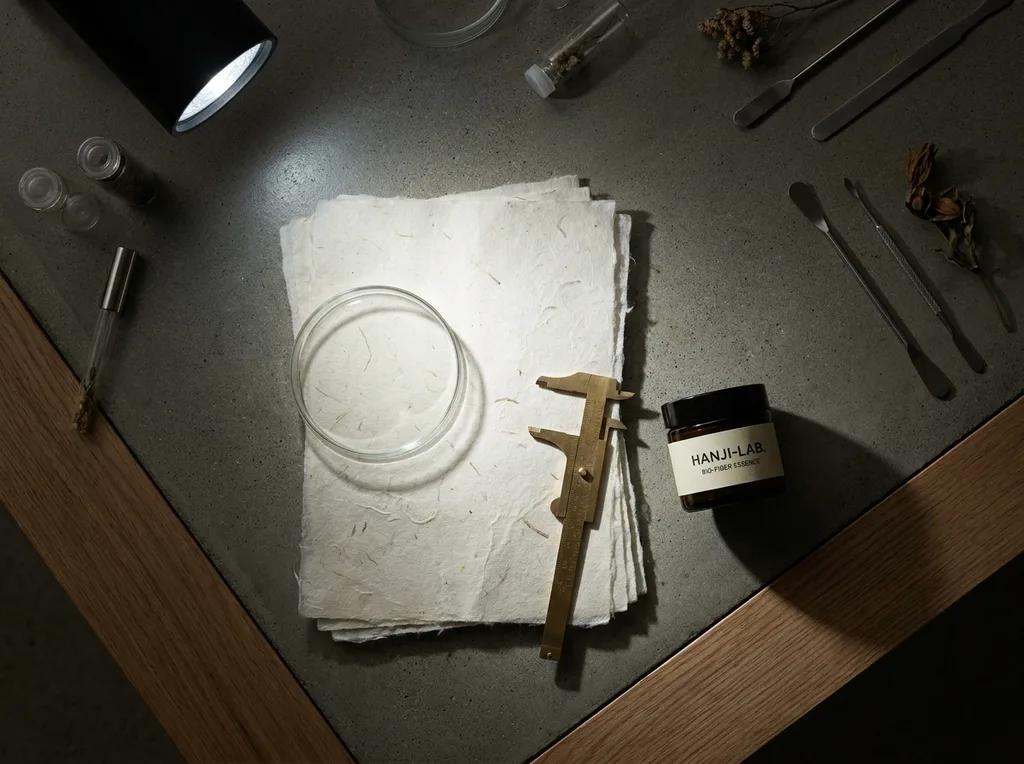
To understand what is actually happening inside the bottles on the Olive Young bestseller list, we have to look past the marketing. The focus in 2026 has shifted heavily toward ingredients that modulate the inflammatory response and reinforce the stratum corneum.
| Ingredient | Biological Target | Typical Clinical Dose | Primary Goal |
|---|---|---|---|
| Low-Molecule Collagen | Dermal density | 1,000–3,000mg | Structural support |
| Dexpanthenol | Lipid barrier repair | 200–500mg | Barrier integrity |
| Centella Asiatica (TECA) | Inflammatory cascade | 60–100mg | Inflammation management |
| Ceramide Complex | Transepidermal water loss | 15–30mg | Hydration retention |
It is essential to be a skeptic. Many "beauty supplements" on the global market are little more than overpriced multivitamins. In Korea, the Hwahae culture—where users cross-reference ingredient lists and clinical studies—has forced brands to be more transparent. If a brand claims a supplement will "erase wrinkles," the Hwajalmeok (makeup-friendly) focused consumer will demand the clinical study behind it. We look for supplements that act as co-factors for your body’s natural collagen synthesis rather than expecting the supplement itself to "become" your skin.
The Korean Protocol: How to Build Your Routine
The most effective Sok-geonjo (inner dryness) routines in Korea are not about taking everything at once. They are about timing and synergy.
- Morning (Barrier Defense): Focus on antioxidants and barrier-strengthening compounds (like Panthenol). This sets the skin up to handle environmental stressors (UV, pollution).
- Evening (Cellular Repair): This is when your body enters repair mode. Collagen peptides and anti-inflammatory extracts (Centella) are best utilized here, alongside your evening topical routine.
- The "Olyoung" Strategy: Locals often time their intake with the Olyoung Sale periods, ensuring they have a 3-month supply of verified products to create a consistent, cumulative effect. Consistency is the secret ingredient that no bottle can replicate.
Accessing the Standard: Global Sourcing
The primary challenge for the global enthusiast is authenticity. Because of the high demand for Korean functional supplements, the market is unfortunately flooded with counterfeits. Purchasing through reputable, direct-sourcing platforms is not just a preference; it is a safety necessity.
| Product Category | Typical Olive Young Price (KRW) | iHerb Value (USD) | Availability |
|---|---|---|---|
| Collagen Peptides | ₩35,000 - ₩50,000 | $25 - $35 | Global |
| Barrier Support (Panthenol) | ₩25,000 - ₩40,000 | $15 - $25 | Global |
| Anti-Inflammatory (Centella) | ₩30,000 - ₩55,000 | $20 - $30 | Global |
This article may contain affiliate links — if you buy through them, we may earn a small commission at no extra cost to you.
🎵 K-Mono Lofi — Seoul Study Beats
Read deeper with Seoul lo-fi in the background — curated by K-Mono Lofi
A Final Word on Safety
While the allure of "perfect skin" is powerful, supplements are bioactive agents. If you are pregnant, nursing, or on prescribed medication, you must consult your physician before adding new compounds to your routine. The "more is better" approach to skincare is a common trap—we call it Over-care. Your skin, like any other organ, has a saturation point. Focus on identifying the one or two systemic gaps in your health—whether it's hydration retention or inflammatory response—and address those specifically.
⚠️ Disclaimer: This guide is for educational purposes only and does not constitute medical advice. Always perform a patch test for new topical products, and consult with a board-certified dermatologist or physician before beginning any new supplement regimen, especially if you have pre-existing health conditions or are currently taking medication.
✓ Researched and compiled using verified data as of the publication date.
 Written by Jun Mi Jung for Quiet Korea | Contact: rsl.2001.1975@gmail.com