Beyond the Mirror: The Over-60 Korean Inner-Beauty Protocol That Rebuilds Skin Integrity From Within

- The Cheongdam-dong Protocol: Where Korean Dermatology Meets the Gut-Skin Axis
- The Science of Inner Beauty: Separating Marketing Hype from Clinical Efficacy
- 1. Low-Molecular-Weight Collagen Peptides (LMWCP)
- 2. Korean Red Ginseng (Hongsam)
- 3. Phytoceramides and Oral Hyaluronic Acid
- The Truth About the "Latest Fads"
- The Daily Chrono-Protocol: Structuring the Inner-Beauty Routine
- The Three-Phase Daily Supplement Timeline
- Phase 1: The Morning Awakening (Fasted)
- Phase 2: The Mid-Day Vitality Boost (With Lunch)
- Phase 3: The Night Barrier Seal (One Hour Before Bed)
- Accessing the Sourcing: Global vs. Domestic Korean Standards
- Explore Clinical Skin Supplements
- Safety First: Crucial Warnings and Contraindications for the Over-60 Demographic
- The Ginseng-Blood Thinner Interaction
- Estrogen-Sensitive Conditions
- Peptide Sourcing and Allergies
- Frequently Asked Questions
- Can I use oral hyaluronic acid if I have high blood pressure?
- How long does it take to see a visible change in my skin's texture?
- Can I take my evening phytoceramides with a sleep supplement?
- Is it safe to take red ginseng indefinitely?
Key Takeaways * Structural Focus over Line Erasure: Korean anti-aging after 60 transitions from surface-level correction to restoring deep structural integrity (tallyeok) and cellular resilience. * Inside-Out Synergy: Seoul's top dermatologists treat mature skin as an ecosystem, combining clinical-grade topical barriers with targeted, evidence-based nutraceuticals like red ginseng and collagen peptides. * The Danger of Over-Processing: Layering too many aggressive active ingredients often damages fragile, thinning skin; a simplified routine paired with high-purity supplements yields superior, irritation-free clinical outcomes.
The Cheongdam-dong Protocol: Where Korean Dermatology Meets the Gut-Skin Axis
Step into a private dermatology waiting room in Cheongdam-dong—Seoul’s epicenter of luxury aesthetic medicine—and you will notice a striking difference in how women over sixty are treated. Instead of a tray of aggressive chemical peels or prescriptions for high-strength retinoids that compromise an already delicate barrier, they are handed a warm cup of steamed hongsam (red ginseng) tea.
The clinical philosophy here is fundamentally different from the Western "search-and-destroy" method of aging. Western protocols often treat mature skin as a series of isolated targets: a wrinkle to be frozen, a spot to be burned, a fold to be filled. In contrast, Korean dermatology views the skin of a sixty-year-old woman as a historical map of her systemic health.
By the time a woman reaches sixty, post-menopausal estrogen drops have already thinned the dermis by up to 30%, drastically reducing glycosaminoglycans (the moisture-binding molecules like hyaluronic acid) and collapsing the collagen scaffolding. At this stage, forcing cellular turnover with aggressive topicals is a high-risk gamble. It often triggers chronic, low-grade inflammation—a phenomenon Korean specialists call "inflammaging"—which actually accelerates tissue degradation.
Instead, the gold standard in Seoul is a dual-track restorative model. The exterior is treated with nourishing, bio-compatible barrier support, while the interior is flooded with clinical-grade nutraceuticals designed to wake up sleeping fibroblasts. This is not folk medicine; it is a highly regulated, scientifically validated clinical protocol.
Before diving into supplements, understanding how Korean dermatology approaches skin from the inside changes everything. Read: [16 Antiaging].
[K-Beauty 101] 탄력 (tallyeok) — Skin elasticity and structural resilience. Unlike the Western focus on eliminating fine lines, tallyeok describes the bouncy, pillowy density of healthy skin that snaps back instantly when pressed. It is the ultimate metric of youth in Korean mature skincare.
The Science of Inner Beauty: Separating Marketing Hype from Clinical Efficacy
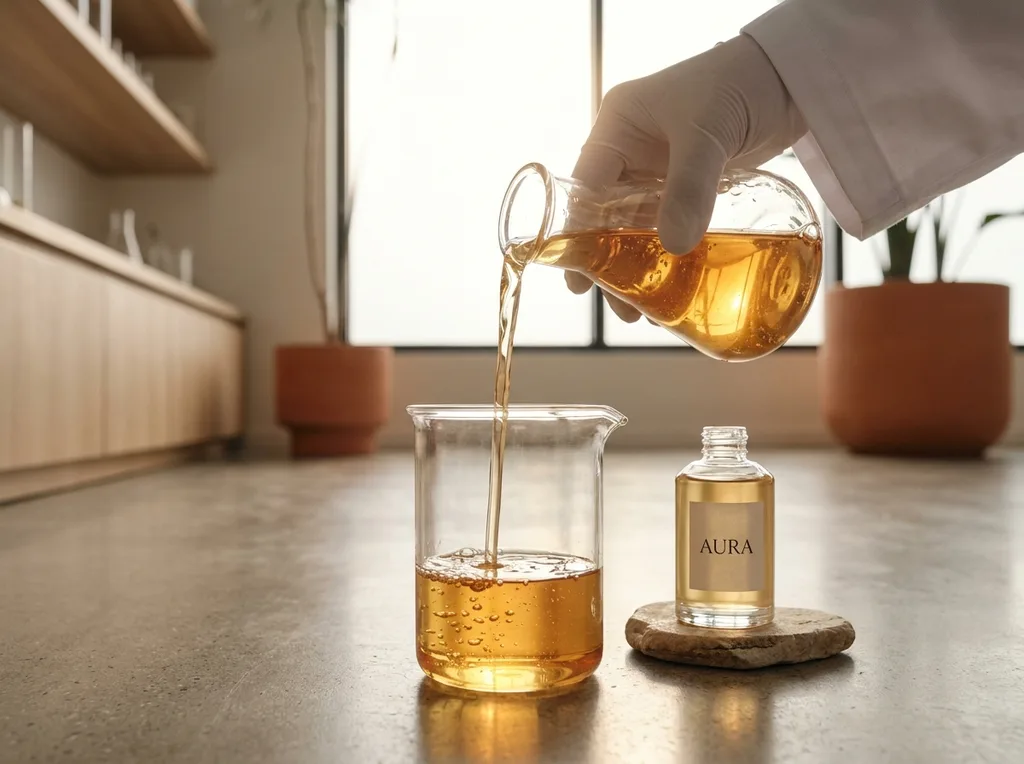
The global supplement market is flooded with promises of "youth in a bottle," yet much of what is sold on drugstore shelves is biochemically useless by the time it passes the stomach's acid barrier. To build a protocol that actually impacts skin density after sixty, we must look at the hard science of molecular weight and bioavailability.
In South Korea, this scientific transparency is enforced by law. The Ministry of Food and Drug Safety (MFDS) regulates "Functional Cosmetics" (Gineungsung Hwajangpum) and health functional foods with extreme rigor, requiring empirical proof of absorption and efficacy.
[K-Beauty 101] 기능성화장품 (Gineungsung Hwajangpum) — Functional Cosmetics. A strict legal classification by the Korean government for products proven to deliver specific clinical outcomes, such as deep-layer elastic restoration or melanin inhibition, separating them from basic cosmetics.
When building an over-60 inner-beauty routine, Korean specialists prioritize three core categories of systemic support:
1. Low-Molecular-Weight Collagen Peptides (LMWCP)
The common criticism of oral collagen is correct: your body digests it into basic amino acids before it ever reaches your face. However, Korean biotechnology has bypassed this obstacle using enzymatically hydrolyzed peptides under 500 Daltons in size. These ultra-small molecules are absorbed directly through the intestinal wall, entering the bloodstream intact. Once in the dermis, they bind to fibroblast receptors, signaling the skin to synthesize new collagen and hyaluronic acid.
2. Korean Red Ginseng (Hongsam)
Processed through a traditional nine-step steaming and drying cycle, red ginseng contains highly concentrated ginsenosides (specifically Rg3, Rd, and Rb1). These bioactive compounds are powerful adaptogens that modulate the adrenal response, lowering systemic cortisol—a hormone that actively breaks down collagen. Clinically, red ginseng has been shown to improve microcirculation, delivering vital oxygen and nutrients to the thinned capillary network of mature skin.
[K-Beauty 101] 홍삼 (hongsam) — Red Ginseng. Steamed and dried ginseng root that undergoes a molecular transformation, drastically increasing the concentration of bioavailable ginsenosides. It is the cornerstone of traditional Korean geriatric vitality and modern skin-density science.
3. Phytoceramides and Oral Hyaluronic Acid
While topical ceramides patch the topmost layer of the stratum corneum, oral phytoceramides (often derived from rice bran or wheat) work from the basal layer upward. They reinforce the intercellular lipid matrix of the entire body, significantly reducing Transepidermal Water Loss (TEWL), which is the primary cause of the crepey, parchment-like texture characteristic of skin over sixty.
Below is the clinical breakdown of how these ingredients perform under scientific scrutiny:
| Active Compound | Clinical Mechanism | Verified Daily Dose | Expected Results Timeline | Evidence Level |
|---|---|---|---|---|
| LMW Collagen Peptides (<500 Da) | Upregulates COL1A1 genes; stimulates dermal fibroblasts | 1,000 mg – 3,000 mg | 8 to 12 weeks | High (Multiple RCTs) |
| Fermented Red Ginseng | Inhibits MMP-1 (collagen-degrading enzyme); increases microcirculation | 500 mg – 1,500 mg | 12 weeks | High (Clinical trials) |
| Oral Phytoceramides | Restores intercellular lipid barrier; reduces systemic dryness | 100 mg – 200 mg | 4 to 6 weeks | Moderate-High |
| NMN (Nicotinamide Mononucleotide) | Boosts NAD+ levels; repairs cellular DNA damage | 250 mg – 500 mg | 12 to 24 weeks | Emerging |
The Truth About the "Latest Fads"
As a savvy consumer, you must look past the marketing. The current Western trend of drinking bone broth for skin elasticity is a classic example of a "marketing-before-science" trap. While highly nutritious, bone broth contains large, unhydrolyzed gelatin molecules that are entirely broken down during digestion; they do not have the signaling capability of LMW peptides.
Similarly, the DIY trend of applying raw beef tallow to mature skin is highly cautioned against by Korean clinicians. While rich in lipids, raw animal fats have a high molecular weight that sits heavily on fragile skin, trapping heat and potentially triggering sebaceous hyperplasia or microscopic bacterial infections on thinning, easily compromised skin barriers.
The Daily Chrono-Protocol: Structuring the Inner-Beauty Routine
To maximize the absorption of these active compounds, Korean women do not take their supplements all at once. Mature digestive tracts have lower stomach acid and slower transit times, meaning megadosing can lead to waste and digestive discomfort.
The protocol is structured around the body's natural circadian rhythms to ensure optimal cellular uptake.
🎵 K-Mono Lofi — Seoul Study Beats
Read deeper with Seoul lo-fi in the background — curated by K-Mono Lofi
The Three-Phase Daily Supplement Timeline
The timeline below illustrates how to distribute your inner-beauty nutrients throughout the day for maximum bioavailability and minimal digestive strain:
Phase 1: The Morning Awakening (Fasted)
- Target: Cellular signaling and hydration priming.
- Protocol: Take 2,000 mg of Low-Molecular-Weight Collagen Peptides alongside 100 mg of Vitamin C.
- Why: Vitamin C is a mandatory co-factor for collagen synthesis; without it, the body cannot cross-link the proline and lysine residues into a stable triple-helix collagen structure. Taking this on an empty stomach prevents the peptides from competing with dietary proteins for transport enzymes in the small intestine.
Phase 2: The Mid-Day Vitality Boost (With Lunch)
- Target: Microcirculation, cellular energy, and cortisol control.
- Protocol: Take 1,000 mg of Fermented Red Ginseng extract alongside 100 mg of Coenzyme Q10 (CoQ10).
- Why: Ginseng provides a natural, non-jittery energy boost while actively lowering systemic inflammation. CoQ10, being fat-soluble, absorbs beautifully alongside lunch lipids to support mitochondrial energy production in aging skin cells.
Phase 3: The Night Barrier Seal (One Hour Before Bed)
- Target: Overnight lipid repair and cell division.
- Protocol: Take 150 mg of Phytoceramides alongside 15 mg of Zinc.
- Why: During the circadian deep-sleep window, the skin’s barrier repair mechanisms peak. Phytoceramides supply the necessary building blocks to patch the lipid barrier, while zinc supports the rapid cellular division required to replace dead epidermal cells.
Accessing the Sourcing: Global vs. Domestic Korean Standards
For many years, accessing genuine, clinical-grade Korean supplements required a trip to a specialized pharmacy in Seoul. Today, global supply chains allow you to source identical active ingredients directly to your door.
However, because the supplement market lacks the standardized global regulations of the cosmetic sector, you must know how to spot the difference between cheap, domestic-market copies and clinically verified products.
When sourcing, look for certifications showing that the ingredients have undergone rigorous testing—ideally matching the standards of the Korean Ministry of Food and Drug Safety or third-party international testing organizations.
Here is a practical cost and sourcing comparison of key clinical-grade ingredients:
| Ingredient Category | Domestic Korean Brand (Approx. Retail) | Verified Global Equivalent (iHerb) | Cost Efficiency Winner |
|---|---|---|---|
| Low-Molecule Collagen | ₩65,000 / month (Premium Department Store) | $22.00 - $30.00 / month (e.g., Marine Peptide Brands) | Global (Equivalent bio-purity at half the price) |
| Fermented Red Ginseng | ₩120,000 / month (Cheonggwanjang Brand) | $45.00 - $60.00 / month (Standardized Extract) | Korean Domestic (Unmatched processing quality) |
| Rice-Derived Phytoceramides | ₩45,000 / month (Inner-Beauty Clinics) | $15.00 - $22.00 / month (Gluten-free plant ceramides) | Global (Highly accessible and cost-effective) |
This article contains affiliate links — if you buy through them, we may earn a small commission at no extra cost to you.
When sourcing these ingredients, platforms like iHerb offer an exceptional avenue for high-purity, direct-sourced supplements. Unlike unverified third-party marketplaces where heat damage during storage can degrade fragile peptide chains and active botanical extracts, iHerb maintains climate-controlled distribution centers worldwide.
iHerb carries 100% authentic products with direct sourcing — critical for supplements where counterfeits are a real concern. Use code QAK3042 for an additional discount on your first order.
Safety First: Crucial Warnings and Contraindications for the Over-60 Demographic
While natural supplements are incredibly powerful tools for restoring structural skin health, they are not without risk. At age sixty and beyond, the liver and kidneys process active botanical compounds more slowly. Furthermore, many individuals in this demographic manage systemic health conditions that require prescription medications.
Before introducing any new active supplement into your daily routine, you must understand the following physiological safety parameters:
The Ginseng-Blood Thinner Interaction
Korean Red Ginseng is a potent vasodilator and has mild anti-coagulant (blood-thinning) properties. If you are currently prescribed blood thinners such as Warfarin, Aspirin, or Eliquis, or if you have an upcoming surgical procedure, you must avoid red ginseng entirely. Combining them significantly increases the risk of bruising and bleeding.
Estrogen-Sensitive Conditions
Because red ginseng contains active ginsenosides that can mimic weak estrogenic activity in the body, individuals with a history of hormone-receptor-positive breast, ovarian, or uterine cancers should consult their oncologist before taking it.
Peptide Sourcing and Allergies
Many high-purity, low-molecular-weight collagen formulations are derived from marine sources (fish scales and skin). If you have a severe seafood allergy, marine collagen can trigger an anaphylactic response. Seek bovine- or chicken-derived alternatives that specify a molecular weight below 1,000 Daltons.
Frequently Asked Questions
Can I use oral hyaluronic acid if I have high blood pressure?
Yes. Oral hyaluronic acid is a naturally occurring polysaccharide that acts as a systemic moisture binder. It does not contain sodium in amounts that affect blood pressure, nor does it interact with common cardiovascular medications. However, always confirm with your cardiologist.
How long does it take to see a visible change in my skin's texture?
Clinical trials show that while oral phytoceramides can improve hydration and reduce flakiness within 4 to 6 weeks, structural changes—such as increased dermal density and tallyeok (elasticity)—require a minimum of 8 to 12 weeks of daily, uninterrupted peptide and ginseng intake.
Can I take my evening phytoceramides with a sleep supplement?
Generally, yes. Phytoceramides do not have sedative properties or interact with common sleep aids like melatonin, magnesium bisglycinate, or L-theanine. Taking them together before bed actually aligns beautifully with your skin's nocturnal recovery cycle.
Is it safe to take red ginseng indefinitely?
In Korean traditional medicine, red ginseng is typically taken in cycles. Clinicians recommend taking it daily for 3 months to build systemic resilience and microcirculation, followed by a 2-to-4-week break before resuming the cycle. This prevents your body from building a tolerance to its adaptogenic benefits.
⚠️ Disclaimer: The information provided in this article is for educational and informational purposes only. It is not intended as medical advice, diagnosis, or treatment. Mature adults, particularly those with pre-existing medical conditions, taking prescription medications, or preparing for surgical procedures, must consult a qualified healthcare professional or dermatologist before starting any new supplement regimen.
✓ Researched and compiled using verified data as of the publication date.
 Written by Jun Mi Jung for Quiet Korea | Contact: rsl.2001.1975@gmail.com