Beyond the Bottle: The Clinical Truth Behind Korea's Inner Beauty Obsession
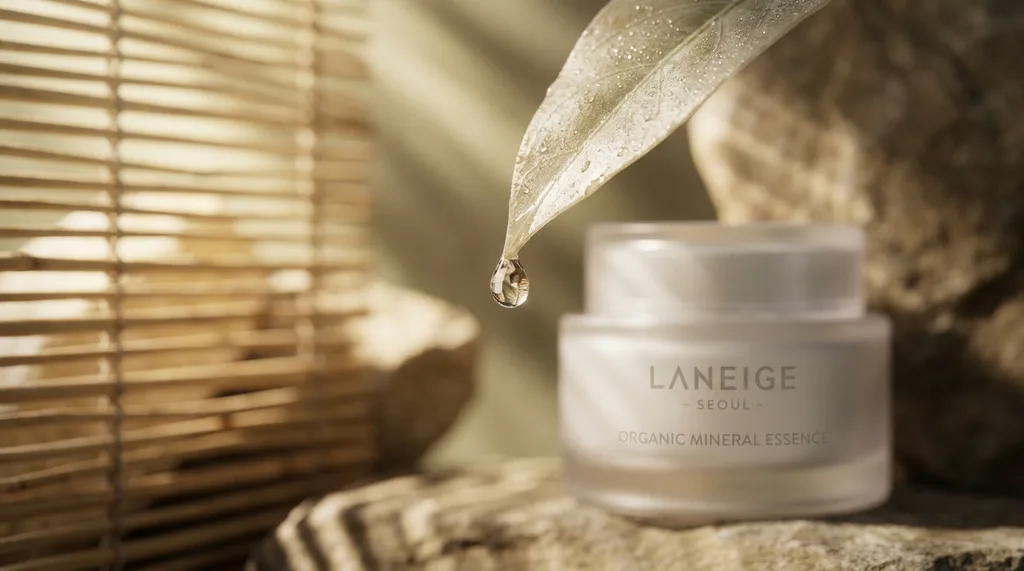
Walk down the glittery main street of Gangnam at dusk, and a curious phenomenon reveals itself. The longest queues are not forming outside the flagship cosmetic boutiques; instead, they wrap around clinical pharmacies and specialized aesthetic wellness centers. For years, the Western world believed the secret to "glass skin" was a meticulous, ten-step topical routine of essences and sheet masks. But in Seoul, the conversation has quietly shifted. The true gatekeepers of K-Beauty—the Ko-deok (beauty obsessives)—have long understood that topical lotions can only repair what the internal cellular engine supports. The real magic happens at the intersection of strict national regulatory standards, clinical-grade dermatology, and a highly specialized philosophy of internal hydration.
- The South Korean Regulatory Shield: Beyond Marketing Claims
- Decoupling Science from Hype: The Real Inner Beauty Ingredients
- The Seoul Clinic Protocol: How to Structure an Inner Beauty Routine
- Sourcing and Safety: Navigating the Global Marketplace
- Explore Clinical Skin Supplements
- The Safety Blueprint: Who Should Wait
- Frequently Asked Questions
- Can I take Hyaluronic Acid and Collagen together?
- How long does it take to see results from skin supplements?
- Is drinking liquid collagen better than taking powders or pills?
- Can oral supplements replace my topical skincare products?
Key Takeaways * The Regulatory Reality: Unlike many Western markets where wellness claims are self-regulated, South Korea's Ministry of Food and Drug Safety (MFDS) strictly categorizes ingredients, weeding out pseudo-scientific marketing from clinical efficacy. * Sok-geonjo (Internal Dryness): Top-tier Korean dermatologists target deep-layer dehydration through systemic humectant-occlusive balance (Hamsup-milpye), combining specific oral supplements with topical barriers. * The Right Oral Synergies: Not all supplements survive digestion; clinical formulations—such as low-molecular-weight collagen and cellular PDRN—must meet specific molecular weight thresholds to actually reach the dermis.
Before diving into supplements, understanding how Korean dermatology approaches skin from the inside changes everything. Read our [K-Beauty Columnist (애드센스 승인용 칼럼니스트)] insights on the fundamental philosophies of skin health.
The South Korean Regulatory Shield: Beyond Marketing Claims
In South Korea, cosmetics and beauty supplements are not a lawless frontier of flashy claims and overnight miracles. The South Korean Ministry of Food and Drug Safety (MFDS) maintains a rigorous, multi-tiered system that strictly separates "General" health products from "Functional" formulations. To market an ingredient for anti-aging, hyperpigmentation, or skin barrier repair, manufacturers must present extensive scientific dossiers, including toxicity profiles and human clinical trials. This regulatory hurdle forces a concept known to local chemists as proving the Baehap-uiui (rationale for formulation).
[K-Beauty 101] 배합의의 (Baehap-uiui) — Rationale for formulation. A strict Korean regulatory standard proving the scientific necessity and safety of each active ingredient. This prevents brands from using "micro-dosing" tactics where an ingredient is added purely for marketing clout.
This strict regulatory landscape has forced a dramatic shift in how the global market views K-Beauty. In 2025, K-Beauty exports hit a historic peak of USD 11.43 billion, with the United States market surging to USD 2.19 billion. Consumers are moving away from gimmicky, cute packaging and demanding clinical, results-oriented solutions. At the heart of this premiumization is the realization that skin is an organ that reflects internal metabolic health. When a Korean dermatologist prepares a patient for a high-intensity laser treatment, they do not just hand over a post-procedure cream. They prescribe a systemic recovery protocol.
🎵 K-Mono Lofi — Seoul Study Beats
Read deeper with Seoul lo-fi in the background — curated by K-Mono Lofi
Decoupling Science from Hype: The Real Inner Beauty Ingredients
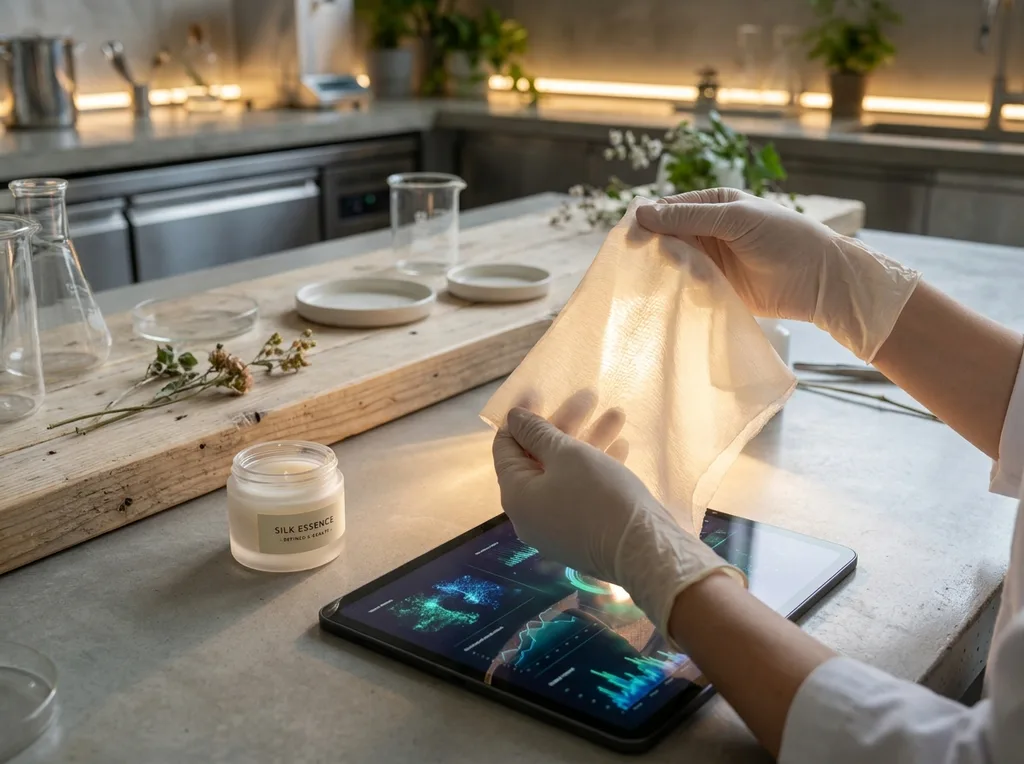
The internet is flooded with claims that drinking a generic collagen elixir will instantly erase fine lines. But human digestion is a hostile environment. To understand what actually works, one must separate marketing hype from clinical reality.
When evaluating inner beauty ingredients, Korean researchers look for clinical trials showing systemic bioavailability—meaning the active compounds actually survive the gut, enter the portal vein, and reach the dermal fibroblasts.
| Ingredient | Clinical Evidence Source | Optimal Daily Dosage | Efficacy Timeline | Reality Check |
|---|---|---|---|---|
| Low-Molecular-Weight Collagen Peptides | Journal of Cosmetic Dermatology | 1,000 mg - 3,000 mg | 8 to 12 Weeks | Must be under 500 Daltons to penetrate the gut wall effectively; standard collagen is wasted. |
| Oral Hyaluronic Acid | Clinical, Cosmetic and Investigational Dermatology | 120 mg - 240 mg | 4 to 6 Weeks | Highly effective for Sok-geonjo by pulling water into the deep dermis from within. |
| PDRN (Polydeoxyribonucleotide) | Korean Journal of Dermatology | 100 mg - 300 mg | 4 Weeks | Traditionally injectable, oral PDRN supports cellular regeneration and lowers systemic inflammation. |
| Vitamin C & Glutathione Co-factors | International Journal of Aesthetics | 500 mg (C) / 250 mg (Glutathione) | 6 to 8 Weeks | Glutathione has low oral bioavailability unless paired with Vitamin C or formulated in liposomal forms. |
Many global consumers fall into what dermatologists call the "pigmentation trap"—using high-strength topical retinols or acids to clear dark spots, only to trigger inflammation that makes the hyperpigmentation worse. Korean skin science addresses this by combining low-dose, non-irritating topicals with internal antioxidants like Glutathione and Vitamin C, which calm melanin production at the cellular level without compromising the skin barrier.
The Seoul Clinic Protocol: How to Structure an Inner Beauty Routine
To defeat Sok-geonjo—that persistent, maddening tightness beneath the skin's surface that no heavy moisturizer seems to fix—the clinical approach focuses on Hamsup-milpye.
[K-Beauty 101] 속건조 (Sok-geonjo) — Deep or internal dryness. The distinct sensation of parched tightness beneath an oily or normal surface layer, which Korean skincare treats as a structural hydration deficit rather than a simple lack of moisturizer.
[K-Beauty 101] 함습밀폐 (Hamsup-milpye) — Humectant-occlusive balance. The dual-action mechanism of drawing moisture deep into the tissue and sealing the skin barrier to prevent transepidermal water loss (TEWL).
Korean beauty enthusiasts do not take all their supplements in a chaotic handful after breakfast. Bioavailability depends heavily on circadian rhythms and metabolic states. To maximize your investment, the daily routine must follow a logical, biologically optimized timeline.
By spacing out these nutrients, you ensure that water-soluble active compounds do not compete for the same cellular transporters in your gut. This structured approach is what prevents "skincare overload"—or Obeokeo (over-care)—which can stress the digestive system and liver without delivering any visible benefits to your skin.
When you stop treating your skin as a canvas to be painted and start treating it as a dynamic ecosystem to be fed, the entire paradigm shifts. You no longer need to buy into the expensive, multi-step marketing myths. You become the editor of your own biology.
Sourcing and Safety: Navigating the Global Marketplace
For global readers, accessing these high-performance ingredients can be a challenge. In South Korea, local health shops and Olive Young drugstores offer high-quality, regulated supplements on every corner. Globally, however, the market is unregulated, and counterfeit products are a major safety concern.
This article contains affiliate links — if you buy through them, we may earn a small commission at no extra cost to you.
When purchasing, direct sourcing is non-negotiable. Platforms like iHerb offer direct-to-consumer pipelines that bypass third-party resellers, ensuring that delicate bio-actives like Glutathione or marine collagen peptides have been stored in temperature-controlled environments.
| Supplement Profile | Olive Young Average Price (KRW) | iHerb Average Price (USD) | Sourcing & Efficacy Note |
|---|---|---|---|
| Low-Molecular Collagen (e.g., Fish Peptides) | ₩35,000 - ₩50,000 | $22.00 - $35.00 | Look for "hydrolyzed" and verified Dalton weights under 500 Da. |
| Pure Oral Hyaluronic Acid | ₩28,000 - ₩40,000 | $18.00 - $28.00 | Ensure it contains zero heavy binders or artificial colorants. |
| Liposomal Glutathione / Setria | ₩45,000 - ₩65,000 | $30.00 - $45.00 | Liposomal delivery is crucial for surviving digestive enzymes. |
The Safety Blueprint: Who Should Wait
Before introducing concentrated metabolic supplements into your routine, caution is required. While these ingredients are natural compounds, their therapeutic dosages can interact with your body in unexpected ways:
- Heavy Metal Risks in Low-Grade Marine Collagen: Poorly sourced marine collagen can carry traces of microplastics and heavy metals. Always seek brands with independent third-party testing certifications (such as NSF or USP).
- The Autoimmune Connection: Ingredients designed to boost cellular regeneration or modulate immune pathways (like raw PDRN or high-dose algae extracts) can sometimes trigger mild flares in individuals with pre-existing autoimmune skin conditions like psoriasis or eczema.
- Kidney & Liver Filtration: Overloading on multiple dense protein-peptide powders puts an extra filtration load on the kidneys. If you have any history of renal impairment, consult a physician before starting daily collagen regimens.
Frequently Asked Questions
Can I take Hyaluronic Acid and Collagen together?
Yes. In fact, clinical research shows they operate synergistically. Hyaluronic acid acts as the water-binding matrix (humectant) that fills the spaces between collagen fibers, while collagen provides the structural scaffolding to prevent sagging.
How long does it take to see results from skin supplements?
Because skin cells take roughly 28 to 40 days to cycle from the deep basal layer to the surface, you should not expect visible changes immediately. Real-world studies show that consistent daily dosing takes 6 to 12 weeks to manifest as increased skin elasticity and reduced internal dryness (Sok-geonjo).
Is drinking liquid collagen better than taking powders or pills?
The physical state of the supplement (liquid, powder, or tablet) does not dictate its efficacy; the molecular weight does. Always check the packaging for hydrolyzed peptides measured in Daltons (Da). Anything under 500 to 1,000 Da is highly bioavailable, regardless of whether it is dissolved in liquid or pressed into a tablet.
Can oral supplements replace my topical skincare products?
No. Oral supplements work from the inside out to support the living layers of the dermis, while topical moisturizers protect the dead outer barrier (stratum corneum) from environmental damage. For optimal results, you must practice Hamsup-milpye by balancing oral hydration with a solid topical barrier cream.
⚠️ Disclaimer: The information provided in this article is for educational purposes only and should not be construed as medical advice. Always consult with a qualified physician or board-certified dermatologist before beginning any oral supplement regimen, especially if you are pregnant, nursing, taking prescription medications, or have a pre-existing medical condition.
✓ Researched and compiled using verified data as of the publication date.
 Written by Jun Mi Jung for Quiet Korea | Contact: rsl.2001.1975@gmail.com